2 hours agoGeneric
29LENS
2 Sources
 thebalanced.news
Butterflies Use Chemoreceptors on Feet and Other Parts to Taste
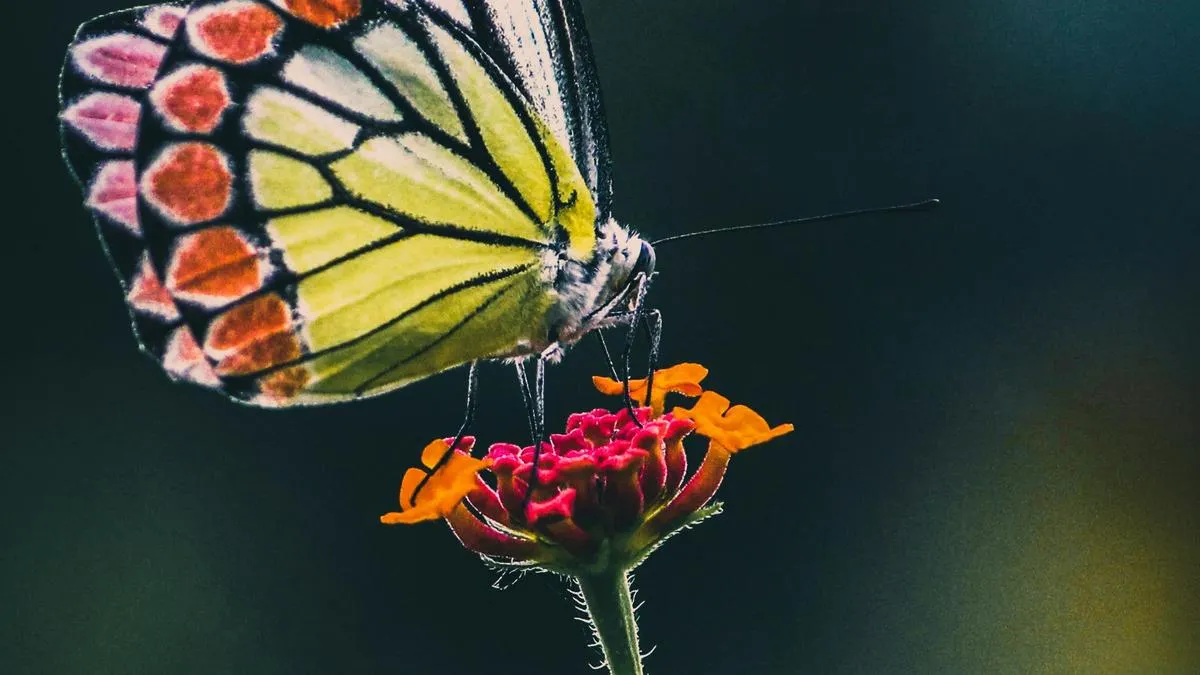
Butterflies taste using specialized chemoreceptors called sensilla located primarily on their feet, allowing them to detect chemical signals like sweetness or bitterness upon landing. This system helps them identify nectar-rich sources efficiently and select suitable plants for laying eggs. Additionally, butterflies have taste receptors on their antennae, mouthparts, and wings, forming a distributed network that aids in feeding and reproduction decisions.
Political Bias
0%100%0%
Sentiment
75%
AI Analysis
Political bias across 2 sources
● Left 0%● Center 100%● Right 0%
The articles present a scientific explanation of butterfly biology without political framing or ideological perspectives. The coverage is purely informational, focusing on biological functions and evolutionary adaptations, with no evident political viewpoints or partisan interpretations.
Sentiment — Positive (75/100)
The tone across the articles is neutral and educational, aiming to inform readers about butterfly sensory mechanisms. There is no emotional or evaluative language, resulting in a factual and objective presentation that neither praises nor criticizes but simply explains the topic.
How 2 sources covered this story
Each source's own headline, political lean, and sentiment — so you can see framing differences at a glance.
| Source | Their headline | Bias | Sentiment |
|---|---|---|---|
| thehindu | How do butterflies taste? | Center | Positive |
| thehindu | How do butterflies taste? | Center | Positive |
Coverage timeline
thehindu broke this story on 9 May, 04:36 am. Other outlets followed.
- 1thehindu9 May, 04:36 amHow do butterflies taste?
- 2thehindu9 May, 08:15 amHow do butterflies taste?
Lens Score breakdown
29/100
Public interest0/100
Coverage gap100%
Well-covered story — coverage matches public importance.
Story context
- Category
- Generic
- Sources analysed
- 2
- Last analysed
- 9 May 2026
- Key entities
- ButterflySensillumProboscisNectarPlantChemoreceptorMouthEvolutionFlowerInsect mouthpartsReceptor (biochemistry)Egg
Related Coverage
Select a news story to see related coverage from other media outlets.