1 hour agoGeneric
28LENS
2 SourcesGermany
 thebalanced.news
180-Million-Year-Old Ichthyosaur Fossil Found in Germany Reveals Jurassic Marine Life
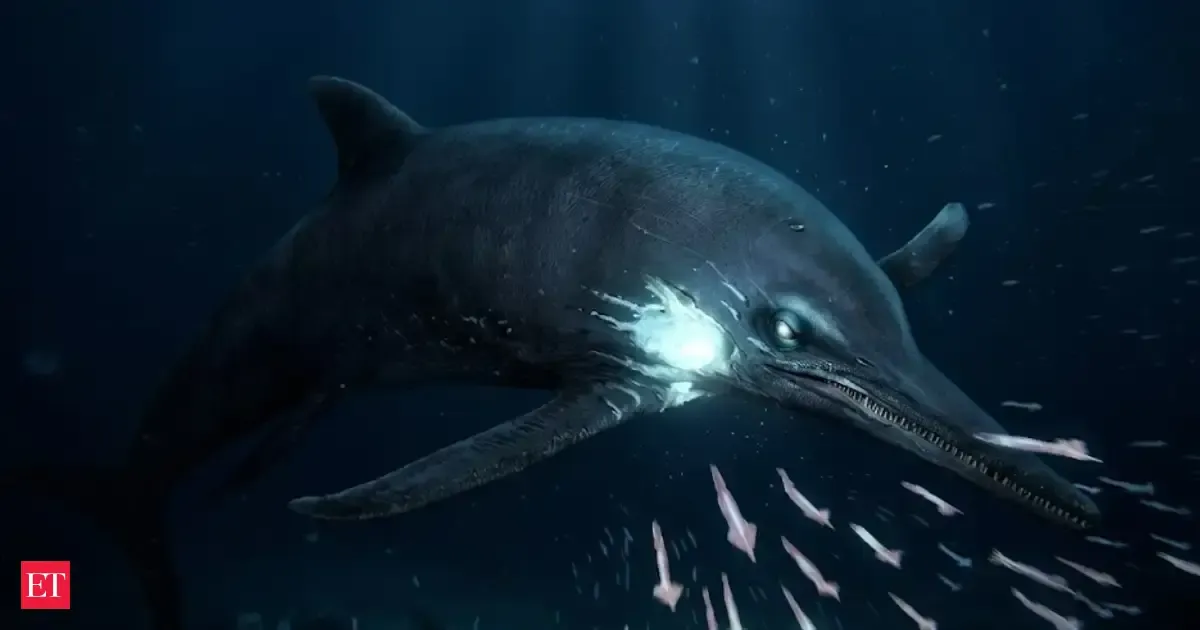
A well-preserved ichthyosaur fossil from the Temnodontosaurus genus, dating back around 180 million years, was discovered in the Mistelgau clay pit near Bayreuth, Germany. Measuring approximately 6.5 to 6.6 metres, the specimen shows skeletal injuries indicating survival despite physical challenges. Researchers note it is among the youngest known of its genus, suggesting these marine reptiles persisted longer in the Southwest German Basin than previously thought. The fossil includes skull fragments, jaws, fins, spine, and over 100 teeth, providing new insights into Jurassic marine life.
Political Bias
0%100%0%
Sentiment
70%
AI Analysis
Political bias across 2 sources
● Left 0%● Center 100%● Right 0%
The articles present a scientific discovery with a focus on paleontological facts and research findings, reflecting a neutral and academic perspective. Both sources emphasize the significance of the fossil without political framing, highlighting expert statements and geological context. There is no evident political bias, as coverage centers on scientific inquiry and historical understanding.
Sentiment — Positive (70/100)
The overall tone across the articles is positive and informative, celebrating the discovery's contribution to understanding ancient marine reptiles. The language conveys scientific curiosity and progress without sensationalism, maintaining a respectful and factual approach to the fossil's significance and the researchers' work.
How 2 sources covered this story
Each source's own headline, political lean, and sentiment — so you can see framing differences at a glance.
| Source | Their headline | Bias | Sentiment |
|---|---|---|---|
| indianexpress | 180-million-year-old fossil of dolphin-like predator sheds new light on Jurassic marine life | Center | Positive |
| economictimes | Rare 180-million-year-old Jurassic fossil found in Germany shows how an injured marine reptile stayed alive | Center | Positive |
Coverage timeline
economictimes broke this story on 29 Apr, 12:38 pm. Other outlets followed.
- 1economictimes29 Apr, 12:38 pmRare 180-million-year-old Jurassic fossil found in Germany shows how an injured marine reptile stayed alive
- 2indianexpress29 Apr, 12:45 pm180-million-year-old fossil of dolphin-like predator sheds new light on Jurassic marine life
Lens Score breakdown
28/100
Public interest0/100
Coverage gap100%
Well-covered story — coverage matches public importance.
Story context
- Category
- Generic
- Location
- Germany
- Sources analysed
- 2
- Last analysed
- 29 Apr 2026
- Key entities
- IchthyosaurMarine reptileGenusFossilGermanyTemnodontosaurusMyrJurassicMarine lifeSkullClayShoulder girdle
Related Coverage
Select a news story to see related coverage from other media outlets.