1 hour agoGeneric
32LENS
2 SourcesSpain
 thebalanced.news
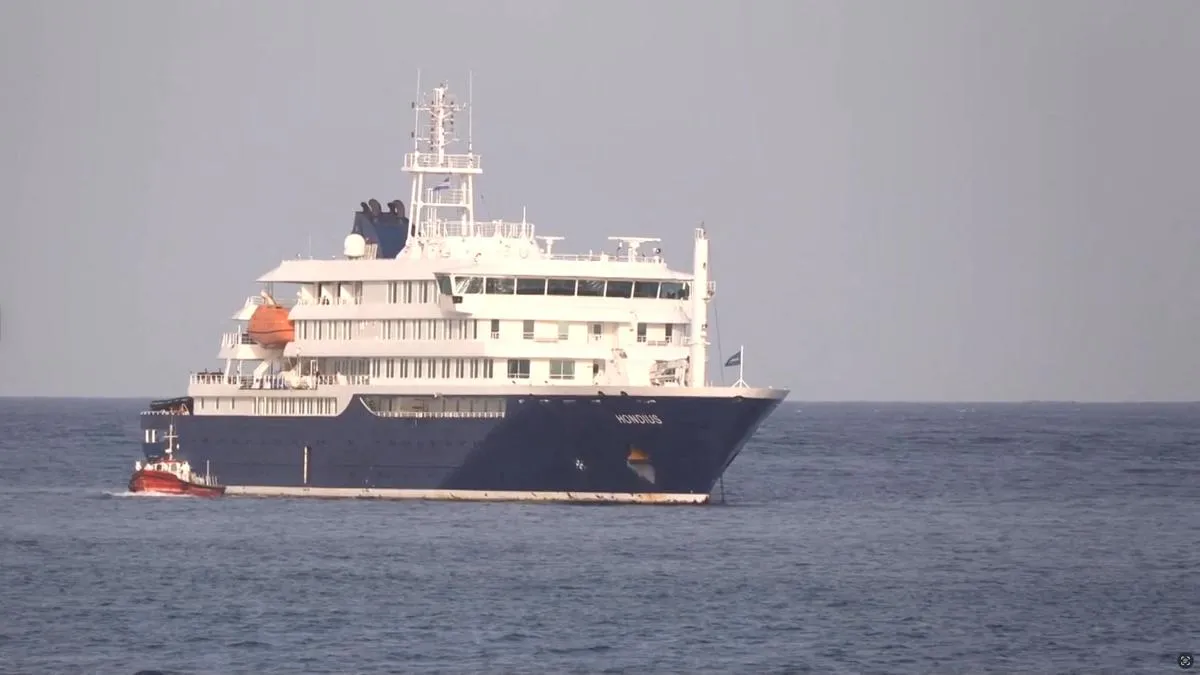
Spain to Receive Hantavirus-Affected Cruise Ship in Canary Islands for Medical Care
The Spanish Health Ministry confirmed it will receive the MV Hondius cruise ship, affected by hantavirus, in the Canary Islands. Medical teams will examine and treat all passengers and crew before repatriation. Spain cited international law, humanitarian principles, and the World Health Organization's statement that Cape Verde lacks the capacity for this operation, noting the Canary Islands as the nearest suitable location and Spain's obligation to assist, including its citizens onboard.
Political Bias
0%100%0%
Sentiment
55%
AI Analysis
Political bias across 2 sources
● Left 0%● Center 100%● Right 0%
The articles present a government-centered perspective emphasizing Spain's legal and moral responsibilities, referencing international law and WHO guidance. There is no evident partisan framing; the coverage focuses on official statements and humanitarian rationale without political critique or opposition viewpoints.
Sentiment — Neutral (55/100)
The tone across the articles is neutral and factual, highlighting Spain's commitment to humanitarian assistance and medical care. There is no emotional language or sensationalism, and the coverage maintains an informative and measured approach to the health and logistical aspects of the situation.
How 2 sources covered this story
Each source's own headline, political lean, and sentiment — so you can see framing differences at a glance.
| Source | Their headline | Bias | Sentiment |
|---|---|---|---|
| thehindu | Spain confirms it will receive hantavirus-hit cruise ship in Canary Islands | Center | Neutral |
| theprint | Spain confirms it will receive hantavirus-hit cruise ship in Canary Islands | Center | Neutral |
Coverage timeline
theprint broke this story on 5 May, 09:27 pm. Other outlets followed.
- 1theprint5 May, 09:27 pmSpain confirms it will receive hantavirus-hit cruise ship in Canary Islands
- 2thehindu6 May, 07:14 amSpain confirms it will receive hantavirus-hit cruise ship in Canary Islands
Lens Score breakdown
32/100
Public interest0/100
Coverage gap100%
Well-covered story — coverage matches public importance.
Accountability flags
TBN's analysis identified the following accountability dimensions in this story.
- public safety issue
This story involves a risk to public safety — infrastructure failure, regulatory lapse, hazardous conditions, or emergency mishandling.
Who's involved
Institutions and figures named across source coverage.
Government
Spanish Health MinistryWorld Health Organization
Story context
- Category
- Generic
- Location
- Spain
- Sources analysed
- 2
- Last analysed
- 6 May 2026
- Key entities
- Canary IslandsHumanitarianismInternational lawSpanish languageJodocus HondiusSpainMinistry of Health (Malaysia)Cruise shipWorld Health OrganizationReutersCape Verde
Related Coverage
Select a news story to see related coverage from other media outlets.