2 hours agoGeneric
29LENS
2 SourcesThailand
 thebalanced.news
New Sauropod Species Nagatitan Chaiyaphumensis Identified as Southeast Asia's Largest Dinosaur
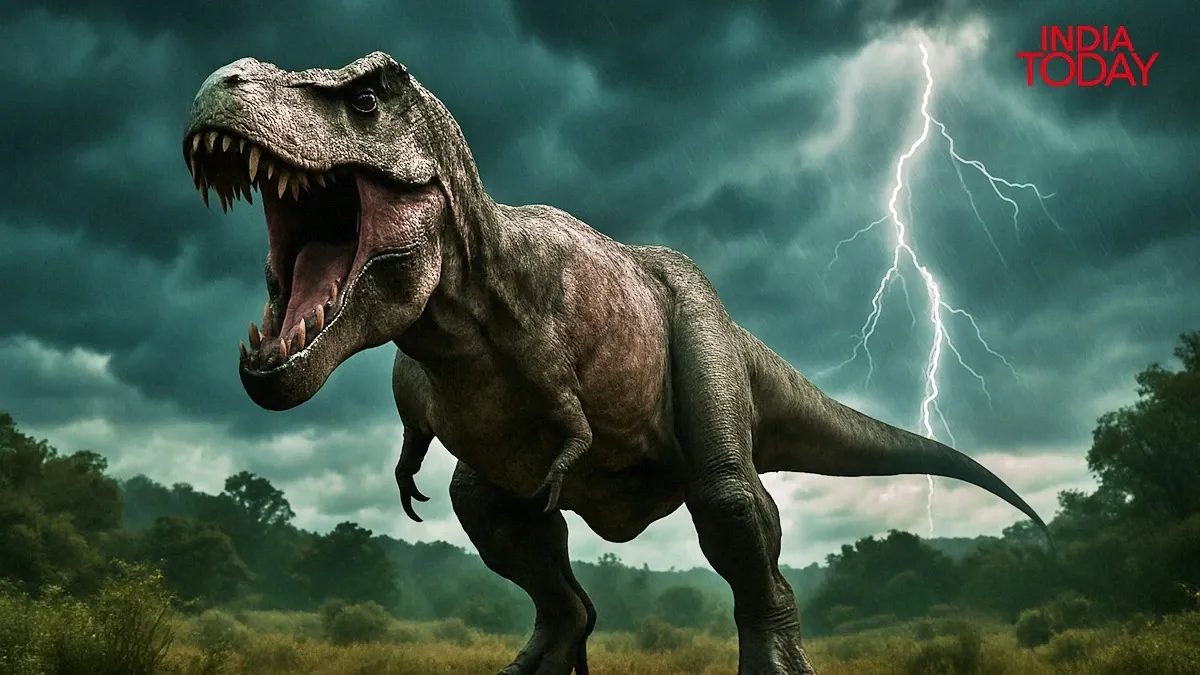
A new species of sauropod dinosaur, Nagatitan chaiyaphumensis, has been identified from fossils discovered in northeastern Thailand's Chaiyaphum province. Estimated to weigh around 27 tonnes and measure 27 meters long, it is the largest dinosaur found in Southeast Asia. The dinosaur lived during the Early Cretaceous period, about 100 to 120 million years ago. Researchers note that while large, Nagatitan was smaller than some giant sauropods like Patagotitan. The discovery sheds light on sauropod evolution in the region.
Political Bias
0%100%0%
Sentiment
75%
AI Analysis
Political bias across 2 sources
● Left 0%● Center 100%● Right 0%
The articles focus on scientific discovery without political framing, representing perspectives from academic researchers and local authorities involved in the fossil excavation and study. Both sources emphasize the paleontological significance and regional pride in the find, with no evident political bias or partisan viewpoints.
Sentiment — Positive (75/100)
The tone across the articles is positive and informative, highlighting the excitement and importance of the discovery. The coverage conveys scientific enthusiasm and regional interest, avoiding sensationalism while celebrating the contribution to understanding dinosaur evolution.
How 2 sources covered this story
Each source's own headline, political lean, and sentiment — so you can see framing differences at a glance.
| Source | Their headline | Bias | Sentiment |
|---|---|---|---|
| theprint | Thailand is now home to Southeast Asia's largest dinosaur. Meet Nagatitan Chaiyaphumensis | Center | Positive |
| indiatoday | Southeast Asia's largest dinosaur weighing 27 tonnes dug up in Thailand | Center | Positive |
Coverage timeline
indiatoday broke this story on 14 May, 12:55 pm. Other outlets followed.
- 1indiatoday14 May, 12:55 pmSoutheast Asia's largest dinosaur weighing 27 tonnes dug up in Thailand
- 2theprint15 May, 08:22 amThailand is now home to Southeast Asia's largest dinosaur. Meet Nagatitan Chaiyaphumensis
Lens Score breakdown
29/100
Public interest0/100
Coverage gap100%
Well-covered story — coverage matches public importance.
Who's involved
Institutions and figures named across source coverage.
Government
Department of Mineral Resources
Story context
- Category
- Generic
- Location
- Thailand
- Sources analysed
- 2
- Last analysed
- 15 May 2026
- Key entities
- DinosaurSpeciesFossilThailandSauropodaVertebraPatagotitanHerbivoreMyrRibSoutheast AsiaTonne
Related Coverage
Select a news story to see related coverage from other media outlets.