2 hours agoGeneric
28LENS
2 SourcesNew Castle, Delaware, United States
 thebalanced.news
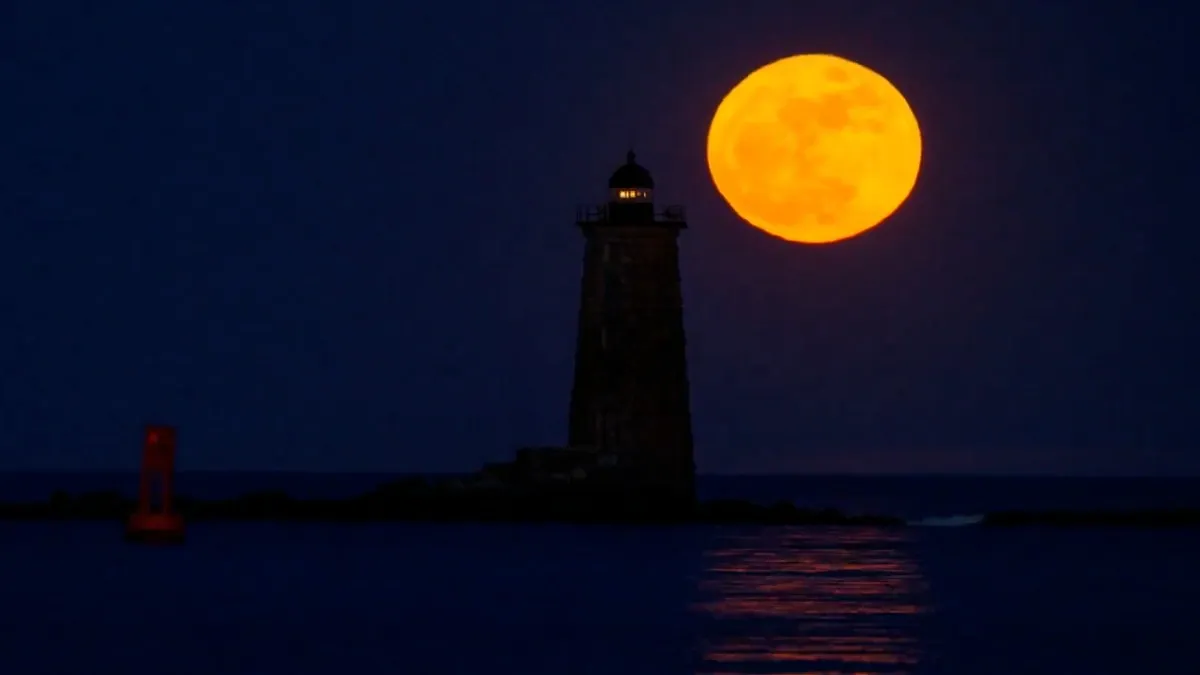
May 2026's Flower Moon Rises Ahead of Rare Blue Moon Later This Month
On May 1, 2026, skywatchers observed the Flower Moon, the first of two full moons in May, illuminating the night sky with a warm, golden glow. Named for the seasonal bloom of wildflowers in the Northern Hemisphere, the Flower Moon symbolizes spring's peak and renewal. This year's moon appeared smaller but visually striking near the horizon. The second full moon, a Blue Moon, is expected on May 31, marking a rare lunar occurrence within the same month.
Political Bias
0%100%0%
Sentiment
75%
AI Analysis
Political bias across 2 sources
● Left 0%● Center 100%● Right 0%
The articles focus on astronomical and cultural aspects of the Flower Moon without political framing. They present scientific explanations alongside traditional naming origins, reflecting neutral, educational perspectives. No political viewpoints or partisan interpretations are evident, as the coverage centers on natural phenomena and cultural heritage.
Sentiment — Positive (75/100)
The tone across the articles is positive and celebratory, highlighting the beauty and rarity of the Flower Moon event. Descriptions emphasize visual appeal and cultural significance, fostering a sense of wonder. There is no negative or critical sentiment; instead, the coverage encourages public appreciation of the celestial occurrence.
How 2 sources covered this story
Each source's own headline, political lean, and sentiment — so you can see framing differences at a glance.
| Source | Their headline | Bias | Sentiment |
|---|---|---|---|
| freepressjournal | May's 'Flower Moon' Lights Up The Sky, Stunning Visuals Take Over The Internet; Know Why It's So Special | Center | Positive |
| indiatoday | Watch: First full Moon of May rises like a blooming flower in stunning sky show | Center | Positive |
Coverage timeline
indiatoday broke this story on 2 May, 05:46 pm. Other outlets followed.
- 1indiatoday2 May, 05:46 pmWatch: First full Moon of May rises like a blooming flower in stunning sky show
- 2freepressjournal3 May, 08:39 amMay's 'Flower Moon' Lights Up The Sky, Stunning Visuals Take Over The Internet; Know Why It's So Special
Lens Score breakdown
28/100
Public interest0/100
Coverage gap100%
Well-covered story — coverage matches public importance.
Story context
- Category
- Generic
- Location
- New Castle, Delaware, United States
- Sources analysed
- 2
- Last analysed
- 3 May 2026
- Key entities
- Full moonMoonHorizonAstronomyNight skyNorthern HemisphereRob Wright (writer)LuminosityViral videoSocial mediaNew Castle, DelawareHue
Related Coverage
Select a news story to see related coverage from other media outlets.