1 hour agoGeneric
28LENS
2 SourcesKathmandu, Nepal
 thebalanced.news
Mount Everest Climbing Season Opens Late Amid Icefall Risks and High Costs
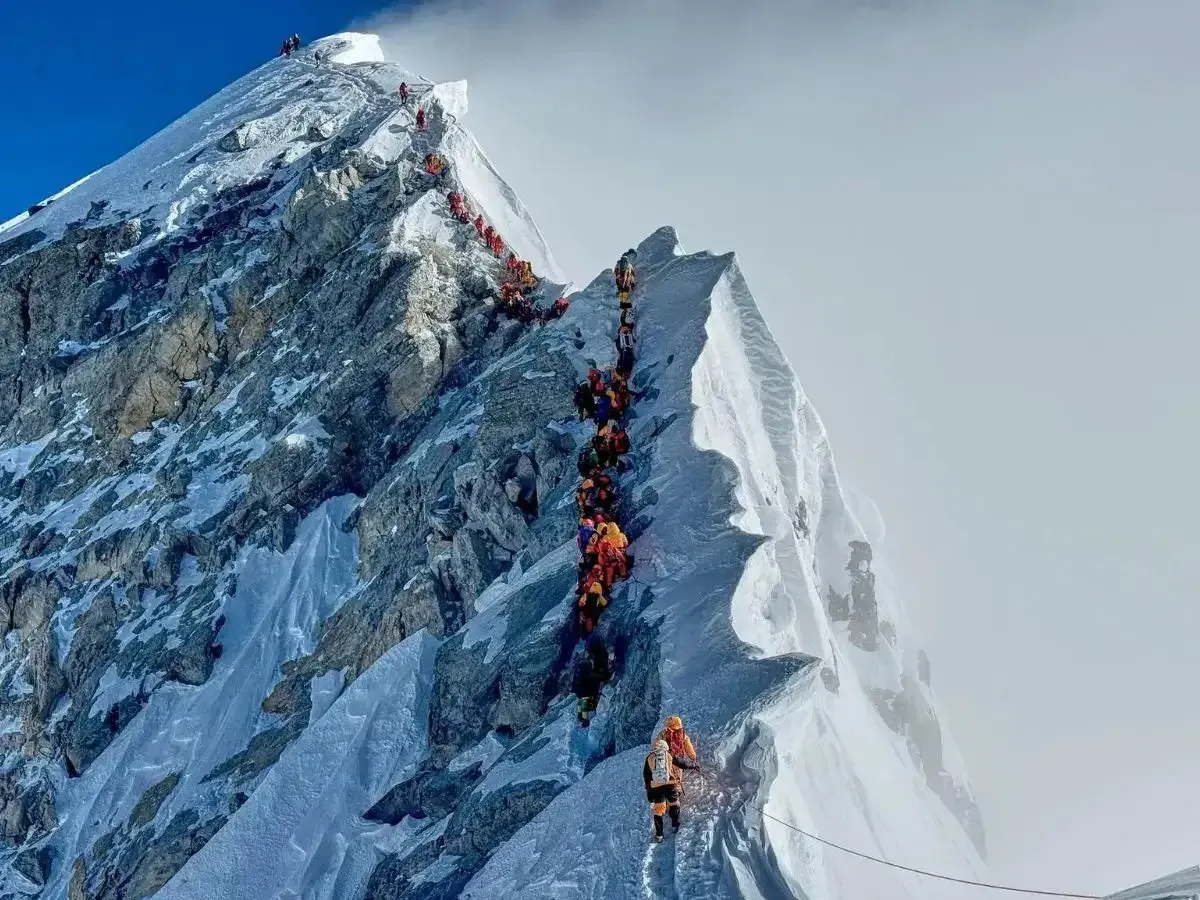
The Mount Everest climbing season opened late due to a large, unstable ice block (serac) hanging over the key trail, delaying the opening of the Icefall route until April 29. Despite warnings from the Sagarmatha Pollution Control Committee about potential collapse risks, around 410 to 464 climbers and an equal number of Nepali guides are preparing for the ascent amid high travel and permit costs. The Khumbu Icefall remains one of the most challenging sections, with past incidents underscoring its dangers.
Political Bias
0%100%0%
Sentiment
55%
AI Analysis
Political bias across 2 sources
● Left 0%● Center 100%● Right 0%
The articles present a largely factual account focusing on the climbing season's delay and associated risks without political framing. They include perspectives from official bodies like the Sagarmatha Pollution Control Committee and experienced guides, reflecting safety concerns and logistical challenges. There is no evident political bias, as the coverage centers on mountaineering conditions and operational details.
Sentiment — Neutral (55/100)
The tone across the articles is cautiously neutral, emphasizing both the enthusiasm of climbers and the serious safety warnings regarding the unstable ice block. While acknowledging the risks and past tragedies, the coverage avoids sensationalism, balancing concern with the determination of climbers to proceed despite challenges.
How 2 sources covered this story
Each source's own headline, political lean, and sentiment — so you can see framing differences at a glance.
| Source | Their headline | Bias | Sentiment |
|---|---|---|---|
| republicworld | Mount Everest Season Opens Late, With Climbers Undeterred By Huge Ice Block High Travel Costs | Center | Neutral |
| economictimes | Mount Everest season opens late, with climbers undeterred by huge ice block and high travel costs - The Economic Times | Center | Neutral |
Coverage timeline
economictimes broke this story on 7 May, 06:27 am. Other outlets followed.
- 1economictimes7 May, 06:27 amMount Everest season opens late, with climbers undeterred by huge ice block and high travel costs - The Economic Times
- 2republicworld7 May, 01:38 pmMount Everest Season Opens Late, With Climbers Undeterred By Huge Ice Block High Travel Costs
Lens Score breakdown
28/100
Public interest0/100
Coverage gap100%
Well-covered story — coverage matches public importance.
Story context
- Category
- Generic
- Location
- Kathmandu, Nepal
- Sources analysed
- 2
- Last analysed
- 7 May 2026
- Key entities
- SeracIcefallMount EverestMountaineeringMountainCrevasseSherpa peopleAltitudeNepalKhumbu IcefallMountain guideGlacier
Related Coverage
Select a news story to see related coverage from other media outlets.