2 hours agoGeneric
28LENS
2 SourcesKenya
 thebalanced.news
Research Shows Africa's Rift System Advancing Toward New Ocean Formation
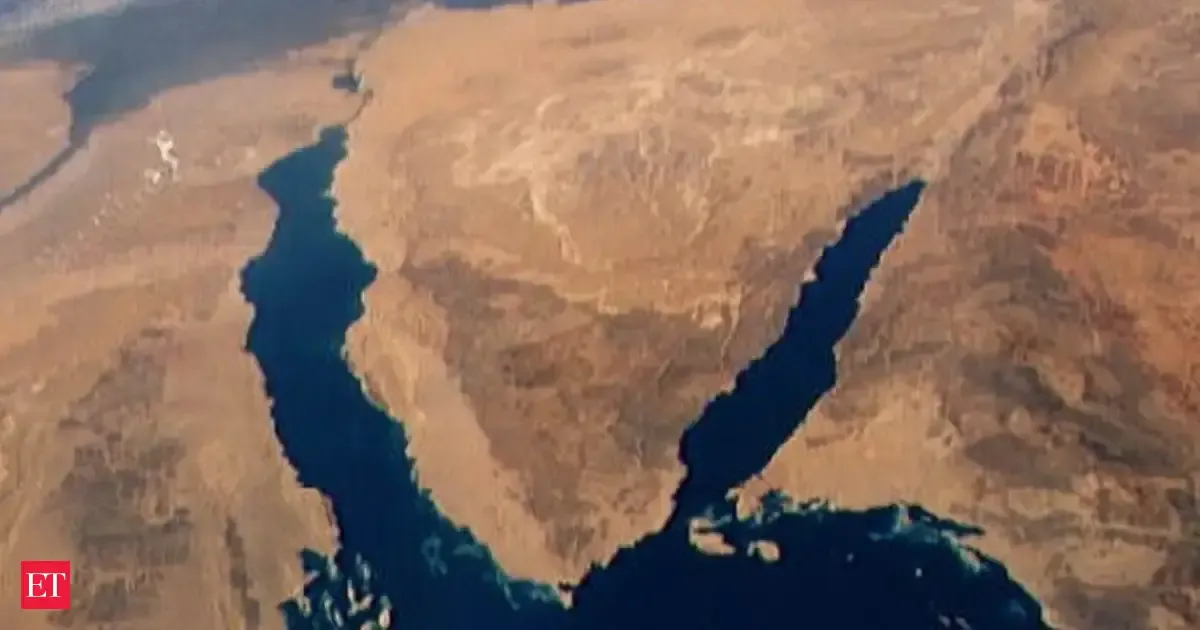
Recent research indicates that Africa is splitting apart faster than previously thought, particularly in the Turkana Rift Zone spanning Kenya and Ethiopia. This region, part of the East African Rift System, is entering a critical 'necking' phase where the crust thins, signaling an advanced stage of continental rifting. Over millions of years, this process is expected to create a new ocean basin, gradually dividing the continent into two tectonic plates, the Nubian and Somali plates. Scientists highlight the geological significance and potential impacts on early human fossil preservation.
Political Bias
0%100%0%
Sentiment
62%
AI Analysis
Political bias across 2 sources
● Left 0%● Center 100%● Right 0%
The articles focus on scientific findings without political framing, representing perspectives from academic researchers and institutions. They emphasize geological processes and evolutionary implications, avoiding political or ideological viewpoints. The coverage is centered on factual reporting of tectonic activity and its scientific context.
Sentiment — Neutral (62/100)
The tone across the articles is neutral and informative, presenting the geological developments as natural processes occurring over millions of years. There is no emotional or sensational language; instead, the coverage highlights scientific discovery and its relevance to understanding Earth's dynamics and human evolution.
How 2 sources covered this story
Each source's own headline, political lean, and sentiment — so you can see framing differences at a glance.
| Source | Their headline | Bias | Sentiment |
|---|---|---|---|
| economictimes | Africa Is Splitting Apart Faster Than We Thought, Forming a New Ocean | Center | Neutral |
| ndtv | Africa May Split Into Two Lands Faster Than Expected: Research | Center | Neutral |
Coverage timeline
ndtv broke this story on 1 May, 10:05 am. Other outlets followed.
- 1ndtv1 May, 10:05 amAfrica May Split Into Two Lands Faster Than Expected: Research
- 2economictimes1 May, 12:58 pmAfrica Is Splitting Apart Faster Than We Thought, Forming a New Ocean
Lens Score breakdown
28/100
Public interest0/100
Coverage gap100%
Well-covered story — coverage matches public importance.
Story context
- Category
- Generic
- Location
- Kenya
- Sources analysed
- 2
- Last analysed
- 1 May 2026
- Key entities
- Oceanic basinTurkana peopleGiraffeCrust (geology)AfricaEast African RiftRiftEarthPlate tectonicsMagmaKenyaEthiopia
Related Coverage
Select a news story to see related coverage from other media outlets.