1 hour agoGeneric
28LENS
2 SourcesScotland, United Kingdom
 thebalanced.news
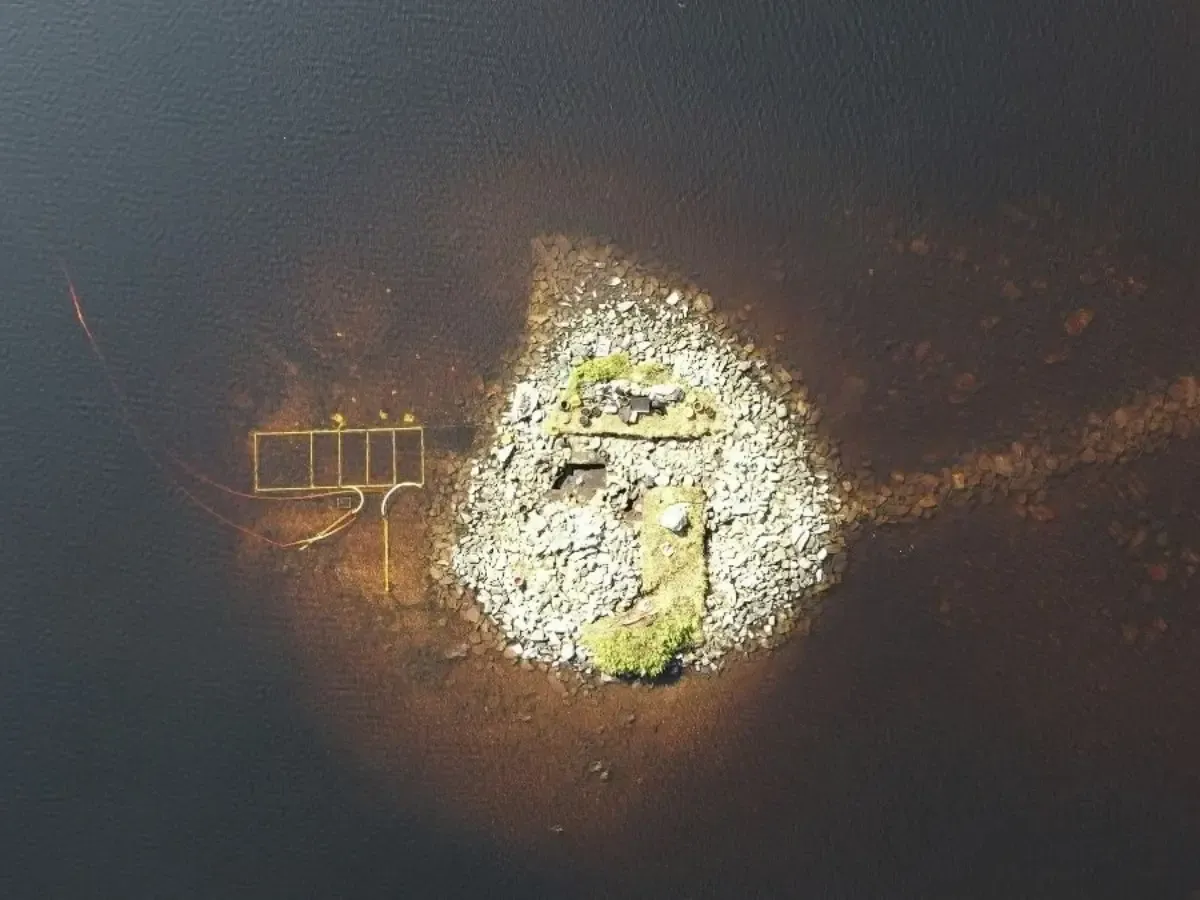
5,000-Year-Old Artificial Island Discovered in Scotland Challenges Previous Timelines
Archaeologists have discovered a 5,000-year-old artificial island, or crannog, in Loch Bhorgastail on Scotland's Isle of Lewis, dating back to between 3800 and 3300 BCE. This finding, older than Stonehenge, challenges previous beliefs that such structures were mainly Iron Age. Built with timber, brushwood, and stone, the crannog indicates advanced Neolithic engineering. Researchers suggest it may have served communal or ritual purposes, based on pottery found nearby. The study was published in Advances in Archaeological Practice.
Political Bias
0%100%0%
Sentiment
72%
AI Analysis
Political bias across 2 sources
● Left 0%● Center 100%● Right 0%
The articles present a scientific discovery without political framing, focusing on archaeological findings and technological insights. Both sources emphasize the historical significance and research methods, representing academic perspectives without political commentary or partisan viewpoints.
Sentiment — Positive (72/100)
The tone across the articles is neutral to positive, highlighting the advancement of prehistoric human technology and the importance of the discovery. The coverage is factual and informative, with an emphasis on the significance of the find rather than emotional or sensational language.
How 2 sources covered this story
Each source's own headline, political lean, and sentiment — so you can see framing differences at a glance.
| Source | Their headline | Bias | Sentiment |
|---|---|---|---|
| ndtv | Older Than Stonehenge: 5,000-Year-Old Artificial Island Discovered In Scotland | Center | Positive |
| wion | Humans have been building islands for thousands of years before than previously thought | Center | Positive |
Coverage timeline
wion broke this story on 13 May, 07:26 am. Other outlets followed.
- 1wion13 May, 07:26 amHumans have been building islands for thousands of years before than previously thought
- 2ndtv13 May, 10:09 amOlder Than Stonehenge: 5,000-Year-Old Artificial Island Discovered In Scotland
Lens Score breakdown
28/100
Public interest0/100
Coverage gap100%
Well-covered story — coverage matches public importance.
Story context
- Category
- Generic
- Location
- Scotland, United Kingdom
- Sources analysed
- 2
- Last analysed
- 13 May 2026
- Key entities
- CrannogArtificial islandScotlandNeolithicIsle of LewisIron AgePrehistoryLochUniversity of SouthamptonCommon EraArchaeologyMaritime archaeology
Related Coverage
Select a news story to see related coverage from other media outlets.