1 hour agoGeneric
28LENS
2 SourcesAlaska, United States
 thebalanced.news
Massive 2025 Megatsunami Hits Alaska Fjord Following Glacier-Related Landslide
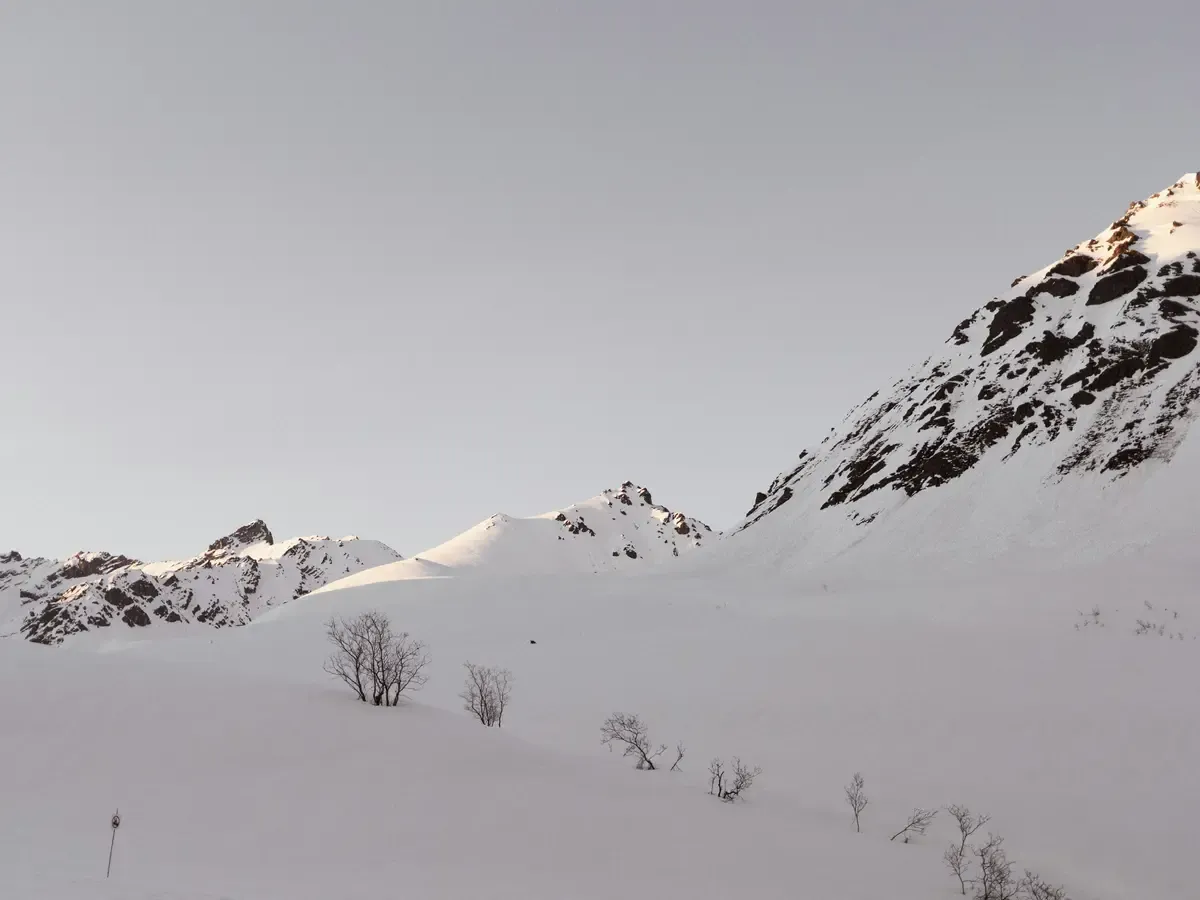
In 2025, a massive landslide in Alaska's Tracy Arm Fjord triggered a megatsunami nearly 500 meters high, the second tallest recorded. The event, caused by 64 million cubic meters of rock collapsing after glacier retreat destabilized the mountain, left visible scars on the fjord's cliffs. Fortunately, it occurred early morning with no casualties. Scientists warn such events may become more frequent due to climate change-induced glacier melting and cliff instability.
Political Bias
0%100%0%
Sentiment
45%
AI Analysis
Political bias across 2 sources
● Left 0%● Center 100%● Right 0%
The articles primarily present scientific and environmental perspectives, focusing on climate change's role in glacier retreat and resulting geological hazards. They include expert statements without political framing or partisan viewpoints, emphasizing natural processes and risks. The coverage is factual and centered on environmental science rather than political debate.
Sentiment — Neutral (45/100)
The tone across the articles is cautious and informative, highlighting the severity of the megatsunami and the potential dangers of future events. While the event is described as a 'close call' with no casualties, the sentiment reflects concern about increasing risks linked to climate change, without sensationalism or alarmism.
How 2 sources covered this story
Each source's own headline, political lean, and sentiment — so you can see framing differences at a glance.
| Source | Their headline | Bias | Sentiment |
|---|---|---|---|
| wion | Massive 500-meter 'megatsunami' hits Alaska Fjord after part of mountain collapses | Center | Neutral |
| theprint | Huge 2025 tsunami in Alaska fjord was second-highest on record | Center | Neutral |
Coverage timeline
theprint broke this story on 6 May, 12:38 pm. Other outlets followed.
- 1theprint6 May, 12:38 pmHuge 2025 tsunami in Alaska fjord was second-highest on record
- 2wion6 May, 03:03 pmMassive 500-meter 'megatsunami' hits Alaska Fjord after part of mountain collapses
Lens Score breakdown
28/100
Public interest0/100
Coverage gap100%
Well-covered story — coverage matches public importance.
Story context
- Category
- Generic
- Location
- Alaska, United States
- Sources analysed
- 2
- Last analysed
- 6 May 2026
- Key entities
- FjordLandslideMountainRock (geology)AlaskaCliffTsunamiClimate changeVegetationGlacierJapanMegatsunami
Related Coverage
Select a news story to see related coverage from other media outlets.