2 hours agoGeneric
29LENS
2 SourcesJapan
 thebalanced.news
7.4-Magnitude Earthquake Triggers Tsunami Warning and Health Precautions in Northern Japan
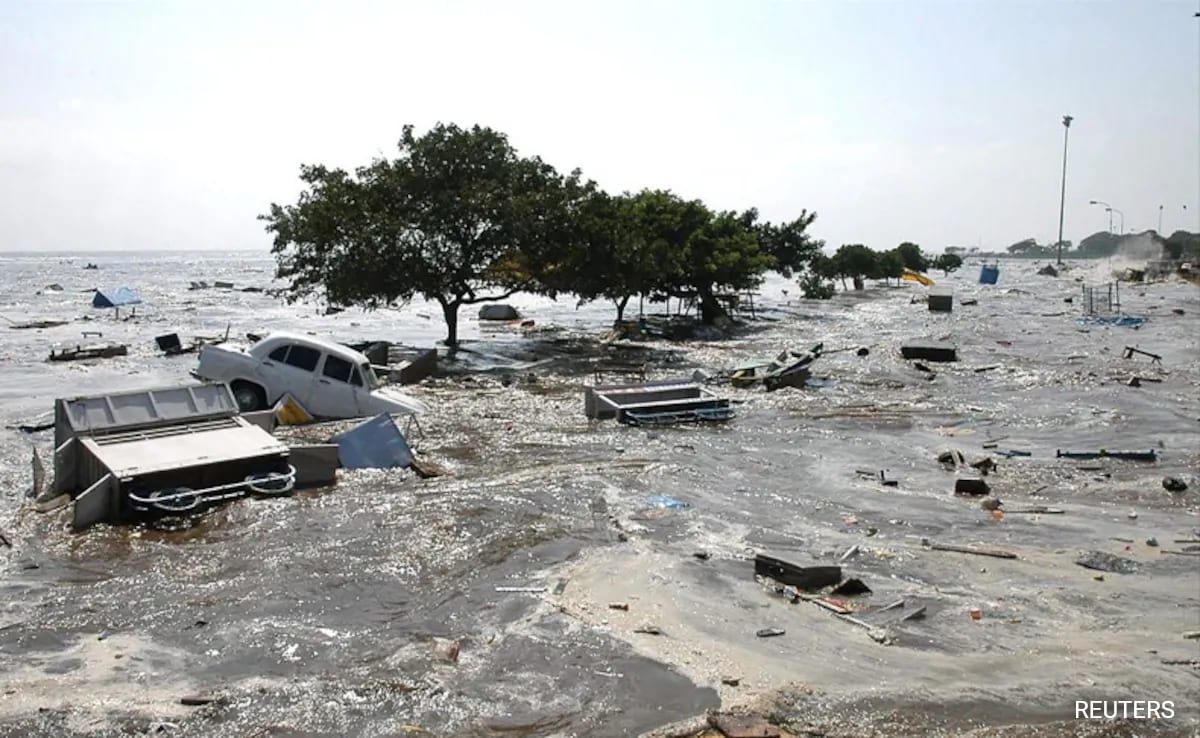
A 7.4-magnitude earthquake off northern Japan's Iwate coast triggered tsunami warnings with waves up to three meters high, leading to evacuations. About 40 minutes later, an 80-centimeter tsunami struck Kuji port. Tsunamis can result from undersea earthquakes, landslides, or volcanic activity and pose risks including drowning, injuries, and health issues like Tsunami Lung from inhaling contaminated water. Authorities emphasize immediate evacuation and medical attention for exposure to seawater or debris during such events.
Political Bias
0%100%0%
Sentiment
52%
AI Analysis
Political bias across 2 sources
● Left 0%● Center 100%● Right 0%
The articles focus on factual reporting of the earthquake and tsunami event without political framing. They present scientific explanations and health advisories from official agencies, reflecting a neutral stance. There is no evident political perspective or partisan interpretation, as the coverage centers on natural disaster information and public safety measures.
Sentiment — Neutral (52/100)
The tone across the articles is primarily cautionary and informative, emphasizing safety and health risks associated with the tsunami. While the event is serious, the coverage avoids sensationalism, focusing instead on preparedness and medical guidance. This results in a balanced, neutral sentiment aimed at public awareness rather than emotional impact.
How 2 sources covered this story
Each source's own headline, political lean, and sentiment — so you can see framing differences at a glance.
| Source | Their headline | Bias | Sentiment |
|---|---|---|---|
| ndtv | As Japan Gets Tsunami Alert, A Look At What Triggers Giant Waves | Center | Neutral |
| ndtv | Japan Tsunami: Essential Health Precautions To Take During A Natural Disaster | Center | Neutral |
Coverage timeline
ndtv broke this story on 20 Apr, 11:29 am. Other outlets followed.
- 1ndtv20 Apr, 11:29 amJapan Tsunami: Essential Health Precautions To Take During A Natural Disaster
- 2ndtv20 Apr, 01:22 pmAs Japan Gets Tsunami Alert, A Look At What Triggers Giant Waves
Lens Score breakdown
29/100
Public interest0/100
Coverage gap100%
Well-covered story — coverage matches public importance.
Story context
- Category
- Generic
- Location
- Japan
- Sources analysed
- 2
- Last analysed
- 20 Apr 2026
- Key entities
- TsunamiEarthquakeJapanJapan Meteorological AgencyIwate PrefecturePortTsunami warning systemSubmarine landslideInternational Olympic CommitteeEpicenterPacific OceanKuji, Iwate
Related Coverage
Select a news story to see related coverage from other media outlets.