2 hours agoGeneric
28LENS
2 Sources
 thebalanced.news
Study Finds Giant Octopus-Like Predators Dominated Ancient Oceans 100 Million Years Ago
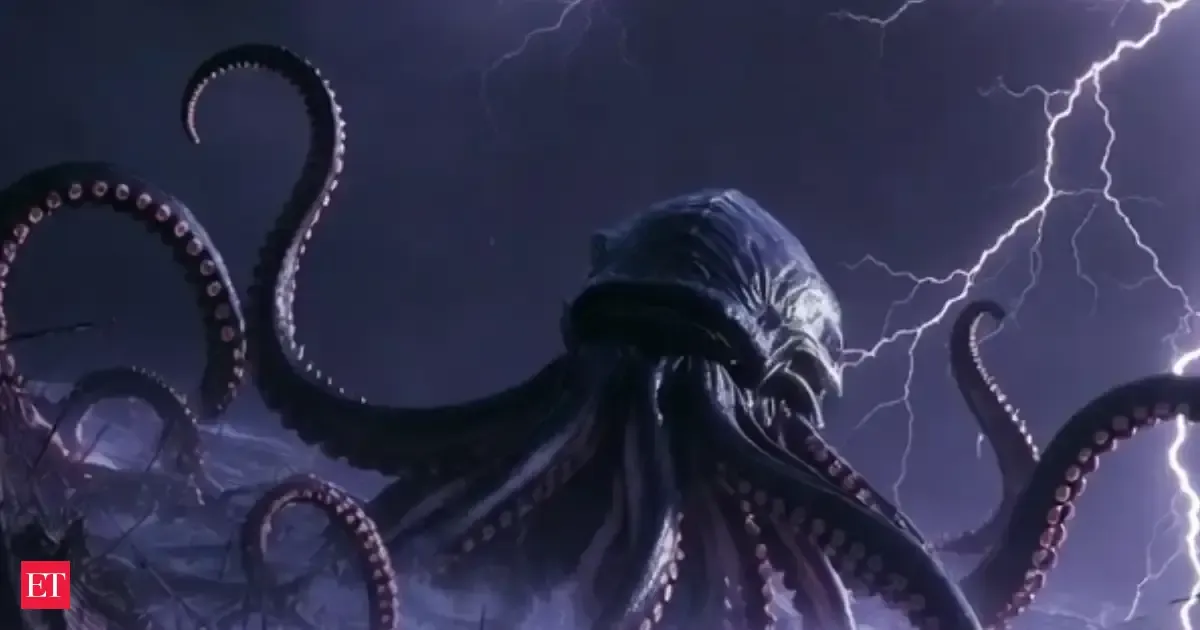
New research reveals that giant octopus-like predators, possibly reaching lengths of up to 19 meters, lived in ancient oceans around 100 million years ago during the Late Cretaceous period. Fossilized beaks indicate these creatures, belonging to the genus Nanaimoteuthis, were apex predators capable of crushing bones and shells, rivaling large marine reptiles like mosasaurs. Evidence also suggests complex behavior and intelligence, challenging previous views that soft-bodied cephalopods played minor roles in prehistoric marine ecosystems.
Political Bias
0%100%0%
Sentiment
72%
AI Analysis
Political bias across 2 sources
● Left 0%● Center 100%● Right 0%
The article group presents scientific findings without political framing, focusing on paleontological research and evolutionary biology. Both sources emphasize evidence-based discoveries and avoid political or ideological perspectives, maintaining a neutral stance centered on scientific inquiry and historical understanding.
Sentiment — Positive (72/100)
The overall tone across the articles is neutral to positive, highlighting groundbreaking research and new insights into prehistoric marine life. The coverage conveys a sense of discovery and scientific advancement without sensationalism, balancing fascination with cautious interpretation of fossil evidence.
How 2 sources covered this story
Each source's own headline, political lean, and sentiment — so you can see framing differences at a glance.
| Source | Their headline | Bias | Sentiment |
|---|---|---|---|
| economictimes | Giant octopus fossil proves Kraken was real? Sea monster bigger than most dinosaurs lived 100 million years ago: Study | Center | Positive |
| news18 | Ancient Kraken like octopus predators may have ruled prehistoric seas | Center | Positive |
Coverage timeline
news18 broke this story on 25 Apr, 06:01 am. Other outlets followed.
- 1news1825 Apr, 06:01 amAncient Kraken like octopus predators may have ruled prehistoric seas
- 2economictimes25 Apr, 06:29 amGiant octopus fossil proves Kraken was real? Sea monster bigger than most dinosaurs lived 100 million years ago: Study
Lens Score breakdown
28/100
Public interest0/100
Coverage gap100%
Well-covered story — coverage matches public importance.
Story context
- Category
- Generic
- Sources analysed
- 2
- Last analysed
- 25 Apr 2026
- Key entities
- Sea monsterKrakenBeakOctopusFossilMarine reptileOceanFood chainMyrMosasaurInvertebrateDinosaur
Related Coverage
Select a news story to see related coverage from other media outlets.