2 hours agoGeneric
28LENS
2 SourcesNew York City, United States
 thebalanced.news
Lyrid Meteor Shower Peaks Soon: Viewing Tips and Origins Explained
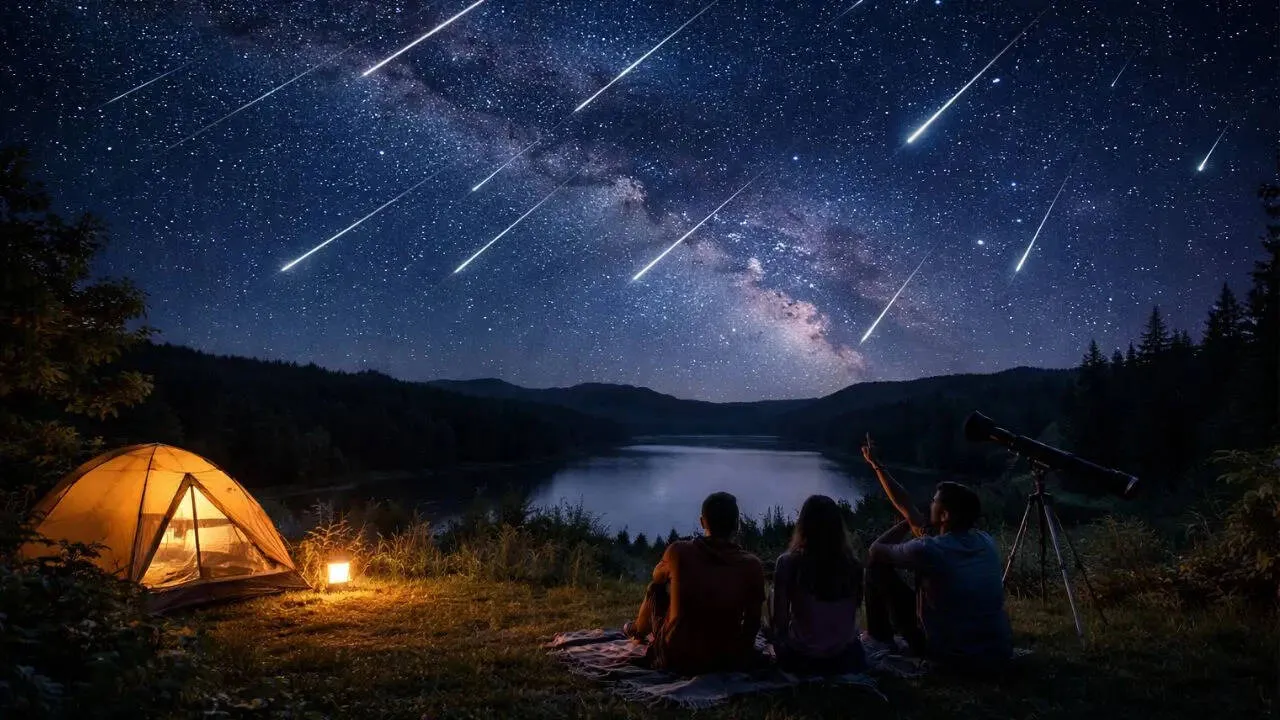
The Lyrid meteor shower, visible globally with optimal views in the Northern Hemisphere, peaks soon with 10 to 20 meteors per hour. Observers should look toward the northeastern sky near the Lyra constellation, using the bright star Vega as a guide but not focusing on it directly. For best visibility, watch from dark, open areas away from city lights and allow 15 to 30 minutes for eyes to adjust to darkness, avoiding bright screens. The shower originates from debris left by comet Thatcher and has been recorded for over 2,500 years.
Political Bias
0%100%0%
Sentiment
65%
AI Analysis
Political bias across 2 sources
● Left 0%● Center 100%● Right 0%
The article group presents purely scientific and observational information about the Lyrid meteor shower without political framing. Sources focus on astronomical facts, viewing advice, and historical context, reflecting a neutral, educational perspective without political or ideological viewpoints.
Sentiment — Neutral (65/100)
The overall tone across the articles is informative and positive, encouraging public interest in the meteor shower. The coverage emphasizes excitement about the event and provides practical guidance, maintaining an enthusiastic yet factual and neutral sentiment.
How 2 sources covered this story
Each source's own headline, political lean, and sentiment — so you can see framing differences at a glance.
| Source | Their headline | Bias | Sentiment |
|---|---|---|---|
| timesnow | Lyrid Meteor Shower 2026: When, Where, And How to Watch? | Center | Neutral |
| news18 | The Lyrid meteor shower is visible now and peaking soon, here's how to spot it | Center | Positive |
Coverage timeline
news18 broke this story on 18 Apr, 12:42 pm. Other outlets followed.
- 1news1818 Apr, 12:42 pmThe Lyrid meteor shower is visible now and peaking soon, here's how to spot it
- 2timesnow19 Apr, 10:33 amLyrid Meteor Shower 2026: When, Where, And How to Watch?
Lens Score breakdown
28/100
Public interest0/100
Coverage gap100%
Well-covered story — coverage matches public importance.
Story context
- Category
- Generic
- Location
- New York City, United States
- Sources analysed
- 2
- Last analysed
- 19 Apr 2026
- Key entities
- LyridsLyraMeteor showerConstellationMeteoroidLight pollutionVegaHorizonNight visionLunar phaseCometNASA
Related Coverage
Select a news story to see related coverage from other media outlets.