2 hours agoGeneric
28LENS
2 SourcesKolkata, India
 thebalanced.news
Blue Moon to Occur on May 31, 2026, Marking Second Full Moon of Month
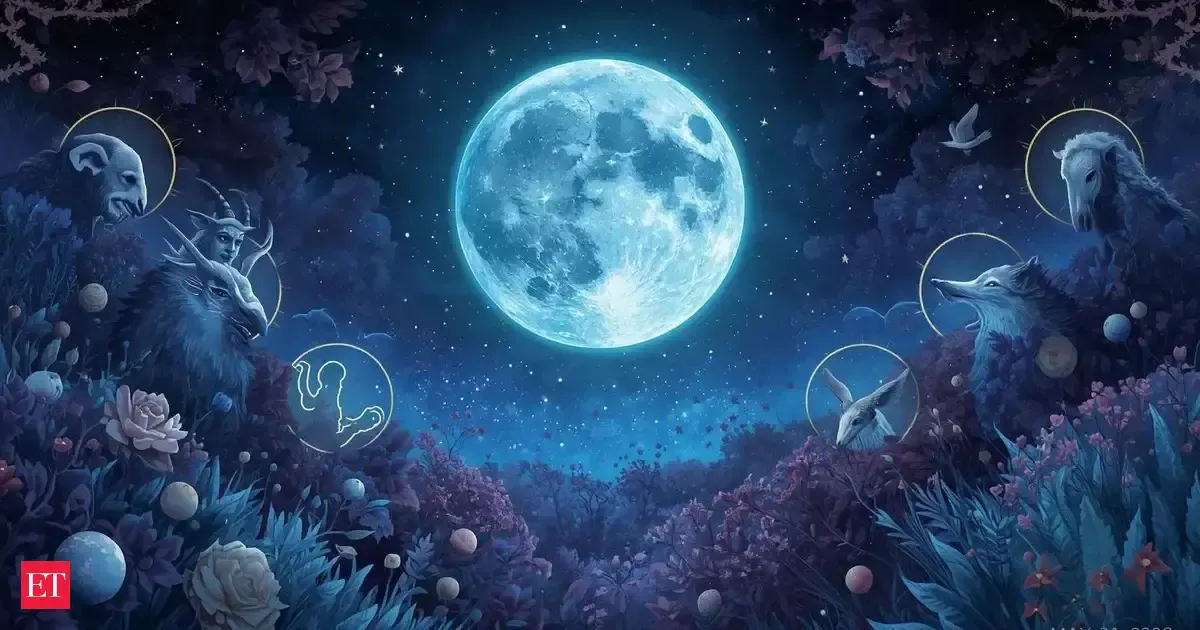
A Blue Moon, defined as the second full moon in a calendar month, will occur on May 31, 2026, following the first full moon on May 1. This lunar event is relatively rare, happening every two to three years due to the mismatch between lunar cycles and the solar year. The term 'Blue Moon' originates from a 1946 definition and does not refer to the moon's color. Other notable lunar events in 2026 include eclipses and Super Moons.
Political Bias
0%100%0%
Sentiment
68%
AI Analysis
Political bias across 2 sources
● Left 0%● Center 100%● Right 0%
The articles focus on astronomical facts without political framing or partisan perspectives. Coverage centers on scientific explanations and historical context of the Blue Moon phenomenon, representing a neutral, educational viewpoint without political influence or commentary.
Sentiment — Positive (68/100)
The tone across the articles is informative and neutral, aiming to educate readers about the Blue Moon event and related lunar phenomena. There is no emotional or sensational language, resulting in a balanced and factual presentation that encourages interest in astronomy.
How 2 sources covered this story
Each source's own headline, political lean, and sentiment — so you can see framing differences at a glance.
| Source | Their headline | Bias | Sentiment |
|---|---|---|---|
| indianexpress | Blue moon in May 2026: Why it happens and how to watch it | Center | Neutral |
| economictimes | A rare Blue Moon is coming May 31. Here's every full Moon left in 2026 and when to look up | Center | Positive |
Coverage timeline
economictimes broke this story on 20 May, 07:16 pm. Other outlets followed.
- 1economictimes20 May, 07:16 pmA rare Blue Moon is coming May 31. Here's every full Moon left in 2026 and when to look up
- 2indianexpress21 May, 08:41 amBlue moon in May 2026: Why it happens and how to watch it
Lens Score breakdown
28/100
Public interest0/100
Coverage gap100%
Well-covered story — coverage matches public importance.
Story context
- Category
- Generic
- Location
- Kolkata, India
- Sources analysed
- 2
- Last analysed
- 21 May 2026
- Key entities
- Full moonMoonAstronomyEarthLunar phaseSunNight skyNancy Peoples GuthrieLunar calendarSunlightLunar eclipseEclipse
Related Coverage
Select a news story to see related coverage from other media outlets.