2 hours agoGeneric
29LENS
2 SourcesIndia
 thebalanced.news
India Faces Heat Wave Alerts Highlighting Importance of 'Feels Like' and Wet-Bulb Temperatures
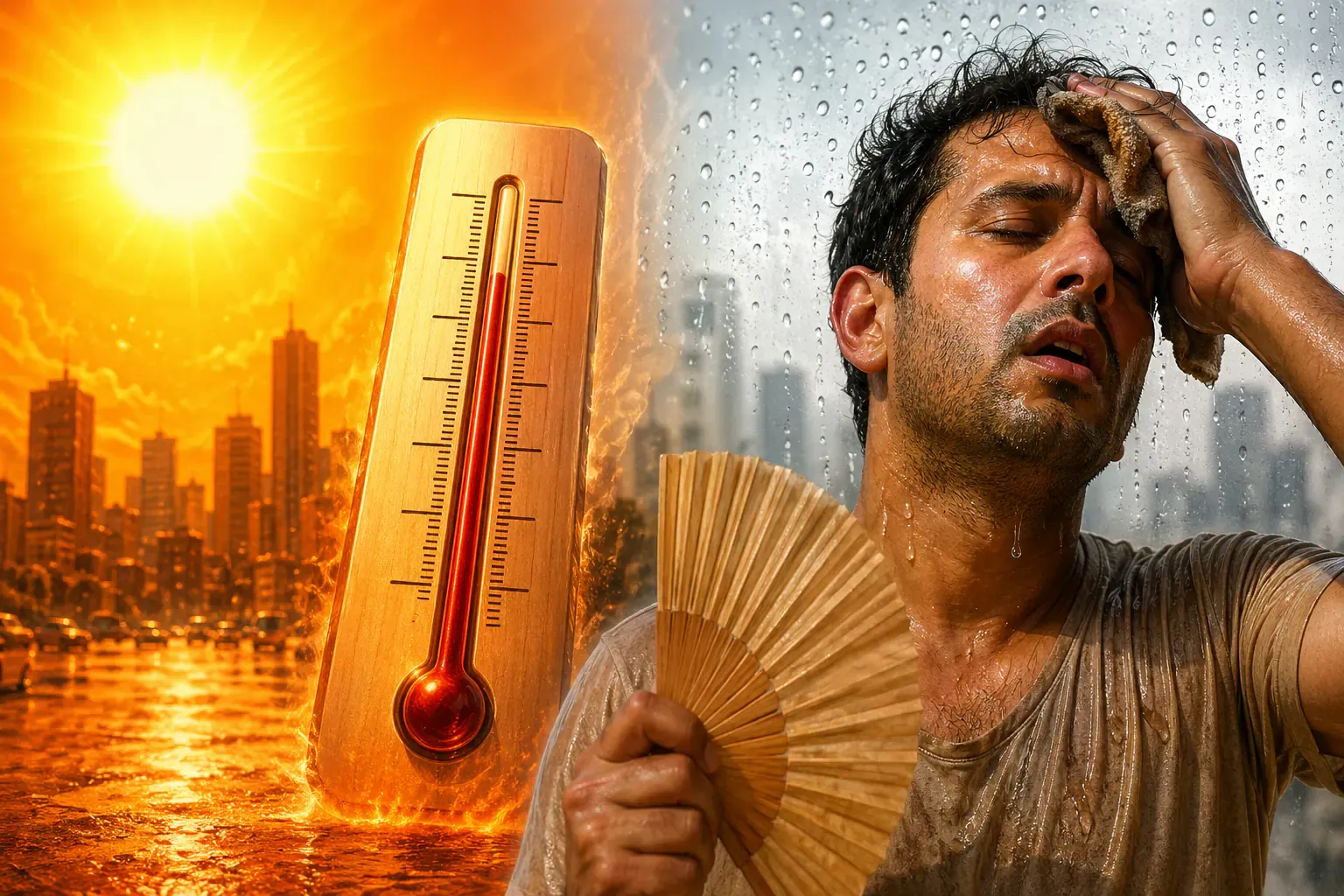
India is experiencing rising temperatures with heat wave alerts issued for multiple cities, where actual temperatures near or exceed 41°C. Experts emphasize that 'feels like' temperature and wet-bulb temperature better reflect heat stress by accounting for humidity and wind, which affect the body's ability to cool through sweating. High humidity reduces sweat evaporation, increasing perceived heat and health risks. Wet-bulb temperatures above 35°C can be fatal, highlighting concerns for vulnerable regions, especially coastal and urban areas with high humidity and heat retention.
Political Bias
0%100%0%
Sentiment
45%
AI Analysis
Political bias across 2 sources
● Left 0%● Center 100%● Right 0%
The articles focus primarily on scientific explanations of heat-related measurements without political framing. They present expert and meteorological perspectives on heat wave impacts and public health risks. There is no evident political bias or partisan viewpoint; coverage centers on environmental and health concerns relevant to diverse stakeholders.
Sentiment — Neutral (45/100)
The tone across the articles is informative and cautionary, emphasizing health risks associated with heat and humidity. While the coverage highlights serious dangers like heatstroke and fatalities, it maintains a neutral, educational approach without sensationalism, aiming to raise awareness rather than evoke alarm.
How 2 sources covered this story
Each source's own headline, political lean, and sentiment — so you can see framing differences at a glance.
| Source | Their headline | Bias | Sentiment |
|---|---|---|---|
| moneycontrol | IMD issues heat wave alert in 27 cities: Why checking 'feels like' temperature matters more than actual temperature- Moneycontrol.com | Center | Neutral |
| indiatoday | What is wet-bulb temperature? Why is it India's deadliest risk amid heatwave? | Center | Neutral |
Coverage timeline
indiatoday broke this story on 27 Apr, 09:18 am. Other outlets followed.
- 1indiatoday27 Apr, 09:18 amWhat is wet-bulb temperature? Why is it India's deadliest risk amid heatwave?
- 2moneycontrol27 Apr, 10:42 amIMD issues heat wave alert in 27 cities: Why checking 'feels like' temperature matters more than actual temperature- Moneycontrol.com
Lens Score breakdown
29/100
Public interest0/100
Coverage gap100%
Well-covered story — coverage matches public importance.
Who's involved
Institutions and figures named across source coverage.
Government
India Meteorological Department
Story context
- Category
- Generic
- Location
- India
- Sources analysed
- 2
- Last analysed
- 27 Apr 2026
- Key entities
- Heat waveTemperatureEvaporationHumidityIndiaPerspirationCelsiusIndia Meteorological DepartmentHeat indexWind speedThermometerPerception
Related Coverage
Select a news story to see related coverage from other media outlets.