1 hour agoGeneric
28LENS
2 Sources
 thebalanced.news
Rare Blue Moon to Appear on May 31, 2026, Marking Second Full Moon of Month
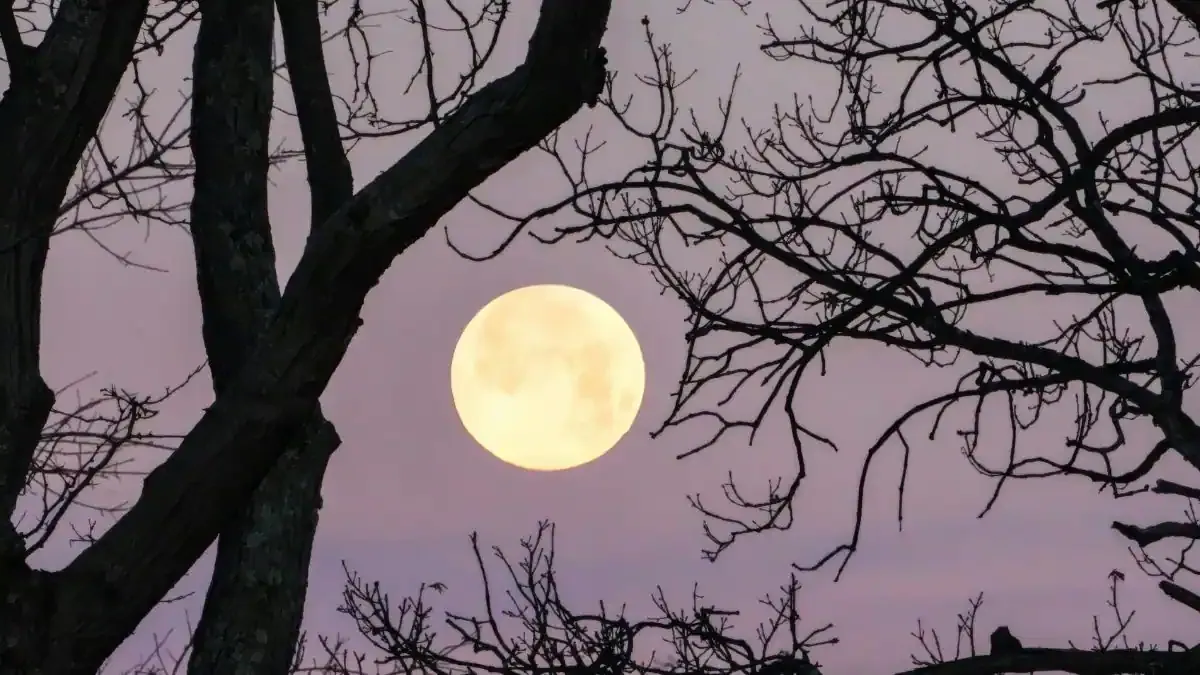
A rare Blue Moon will occur on May 31, 2026, marking the second full moon in May, a phenomenon that happens roughly every two to three years. Despite its name, the moon will not appear blue but may look large and golden-orange near the horizon. This event highlights the mismatch between lunar cycles and calendar months, with May 2026 being the only month this year to feature a Blue Moon. Skywatchers are encouraged to observe this notable celestial occurrence.
Political Bias
0%100%0%
Sentiment
72%
AI Analysis
Political bias across 2 sources
● Left 0%● Center 100%● Right 0%
The articles focus on astronomical facts and public interest in the Blue Moon event without political framing. Both sources present scientific explanations and observational details, reflecting a neutral, educational perspective. There is no evident political bias, as the coverage centers on natural phenomena and skywatching opportunities.
Sentiment — Positive (72/100)
The tone across the articles is positive and informative, emphasizing the rarity and visual appeal of the Blue Moon. The coverage encourages public engagement with astronomy and conveys excitement about the upcoming event without sensationalism or negativity.
How 2 sources covered this story
Each source's own headline, political lean, and sentiment — so you can see framing differences at a glance.
| Source | Their headline | Bias | Sentiment |
|---|---|---|---|
| firstpost | Blue Moon 2026: Why it's special and what makes it different | Center | Positive |
| economictimes | Blue Moon alert: A rare full moon will glow orange after sunset this week -- Here's the best time to watch | Center | Positive |
Coverage timeline
economictimes broke this story on 25 May, 01:52 pm. Other outlets followed.
- 1economictimes25 May, 01:52 pmBlue Moon alert: A rare full moon will glow orange after sunset this week -- Here's the best time to watch
- 2firstpost26 May, 05:05 amBlue Moon 2026: Why it's special and what makes it different
Lens Score breakdown
28/100
Public interest0/100
Coverage gap100%
Well-covered story — coverage matches public importance.
Story context
- Category
- Generic
- Sources analysed
- 2
- Last analysed
- 26 May 2026
- Key entities
- Full moonMoonLunar phaseBlue moonCalendarAstronomerHorizonAstronomyJupiterVenusSunsetAntares
Related Coverage
Select a news story to see related coverage from other media outlets.