1 hour agoLifestyle
28LENS
2 SourcesBelgium
 thebalanced.news
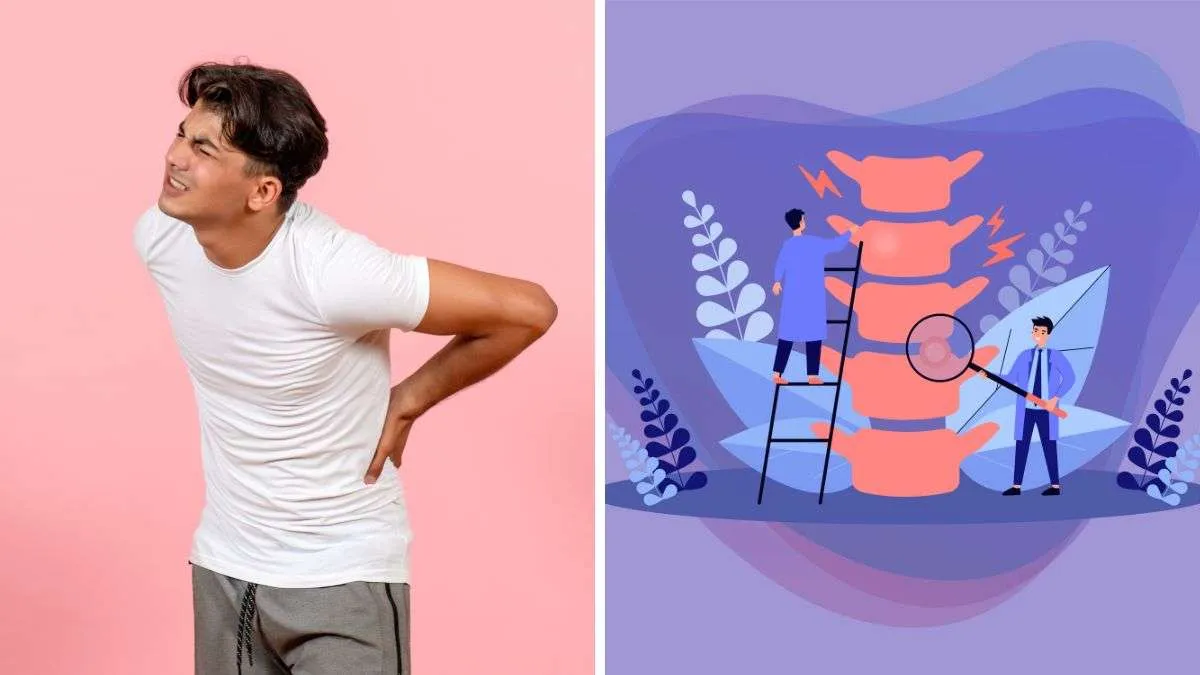
Experts Link Rising Back Pain to Sedentary Lifestyles and Poor Posture
Medical experts report a rise in back pain and spinal issues among all age groups, particularly young adults in their 20s to 40s, attributing this trend to modern sedentary lifestyles. Prolonged sitting, poor posture, reduced physical activity, and increased screen time strain the spine, leading to muscle weakness and stiffness. Doctors emphasize the spine's need for regular movement and recommend lifestyle changes to improve spinal health and prevent chronic pain.
Political Bias
0%100%0%
Sentiment
60%
AI Analysis
Political bias across 2 sources
● Left 0%● Center 100%● Right 0%
The articles present a health-focused perspective without political framing, emphasizing medical expert opinions on lifestyle factors affecting spinal health. They highlight societal trends like work-from-home culture and sedentary habits without attributing causes to political entities or policies, maintaining a neutral stance centered on public health concerns.
Sentiment — Neutral (60/100)
The overall tone is informative and cautionary, aiming to raise awareness about the health risks of sedentary behavior. While highlighting a growing health issue, the coverage remains neutral and constructive, focusing on expert advice and potential lifestyle improvements rather than evoking fear or alarm.
How 2 sources covered this story
Each source's own headline, political lean, and sentiment — so you can see framing differences at a glance.
| Source | Their headline | Bias | Sentiment |
|---|---|---|---|
| indiatvnews | Your daily habits may be hurting your spine more than you realise | Center | Neutral |
| indiatoday | Why is chronic backache rising among India's 20s-40s? | Center | Neutral |
Coverage timeline
indiatoday broke this story on 7 May, 06:29 am. Other outlets followed.
- 1indiatoday7 May, 06:29 amWhy is chronic backache rising among India's 20s-40s?
- 2indiatvnews7 May, 12:55 pmYour daily habits may be hurting your spine more than you realise
Lens Score breakdown
28/100
Public interest0/100
Coverage gap100%
Well-covered story — coverage matches public importance.
Story context
- Category
- Lifestyle
- Location
- Belgium
- Sources analysed
- 2
- Last analysed
- 7 May 2026
- Key entities
- Vertebral columnMuscleBack painPhysical activityHuman backJointLigamentSedentary lifestylePhysicianSciaticaAtrophySkeletal muscle
Related Coverage
Select a news story to see related coverage from other media outlets.