1 hour agoLifestyle
29LENS
2 SourcesIndia
 thebalanced.news
Simple Home Tests to Identify Adulterated or Fake Watermelons Amid Safety Concerns
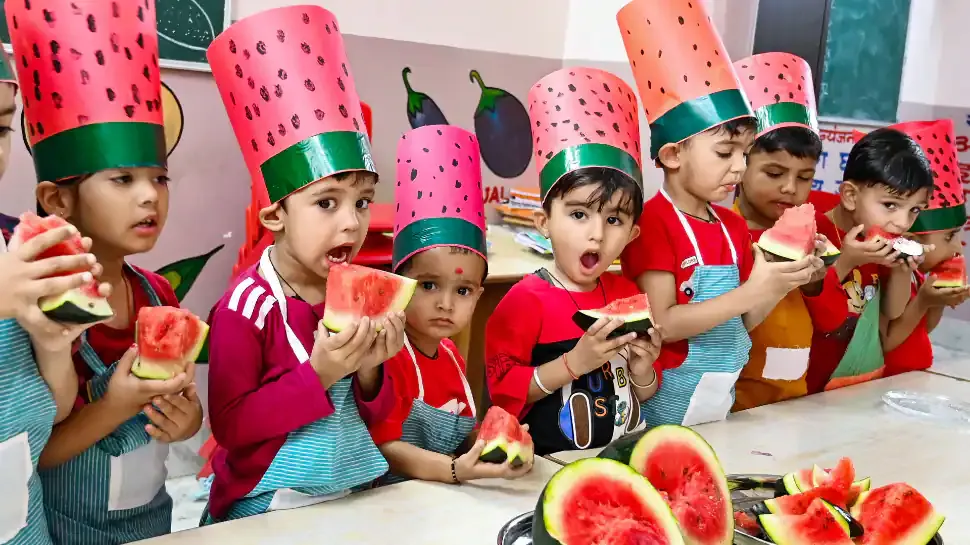
With rising concerns about adulterated watermelons, including the use of artificial red dyes like erythrosine, food safety authorities advise consumers on simple home tests to verify authenticity. Methods such as using a cotton ball to detect artificial color and other easy checks can help buyers identify fake or chemically treated watermelons without specialized tools, ensuring safer consumption during the summer season.
Political Bias
0%100%0%
Sentiment
60%
AI Analysis
Political bias across 2 sources
● Left 0%● Center 100%● Right 0%
The articles focus on consumer safety and food adulteration without engaging in political discourse. They represent a public health perspective emphasizing official guidance from food safety authorities, reflecting a neutral stance centered on consumer awareness rather than political viewpoints.
Sentiment — Neutral (60/100)
The tone across the articles is cautionary but constructive, aiming to inform and empower consumers with practical advice. While concerns about adulteration introduce a negative element, the overall sentiment remains positive by providing solutions and promoting safe consumption.
How 2 sources covered this story
Each source's own headline, political lean, and sentiment — so you can see framing differences at a glance.
| Source | Their headline | Bias | Sentiment |
|---|---|---|---|
| news18 | Watermelon Safety Check: How To Detect Artificial Colour Using A Cotton Ball | Center | Neutral |
| zeenews | How to tell if your watermelon is fake or real: 8 easy tests you can do at home right now | Center | Neutral |
Coverage timeline
zeenews broke this story on 12 May, 05:54 am. Other outlets followed.
- 1zeenews12 May, 05:54 amHow to tell if your watermelon is fake or real: 8 easy tests you can do at home right now
- 2news1813 May, 04:59 amWatermelon Safety Check: How To Detect Artificial Colour Using A Cotton Ball
Lens Score breakdown
29/100
Public interest0/100
Coverage gap100%
Well-covered story — coverage matches public importance.
Who's involved
Institutions and figures named across source coverage.
Government
Food Safety and Standards Authority of India
Story context
- Category
- Lifestyle
- Location
- India
- Sources analysed
- 2
- Last analysed
- 13 May 2026
- Key entities
- WatermelonFruitFood safetyFloodAdulterantNutrientCottonDyeIndia
Related Coverage
Select a news story to see related coverage from other media outlets.