10 hours agoLifestyle
25LENS
2 Sources
 thebalanced.news
Key Features and Recommendations for Ergonomic Office Chairs in 2026
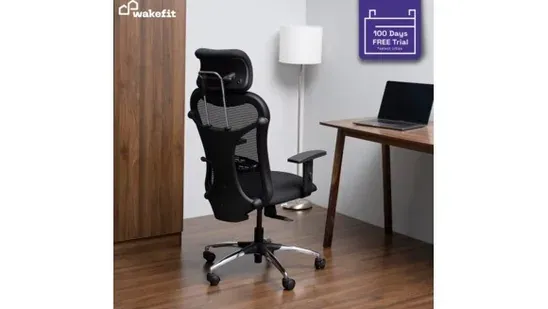
As remote and hybrid work increase, prolonged sitting has made ergonomic office chairs essential for comfort and health. Key features include adjustable lumbar support, seat height, and breathable materials to reduce fatigue and maintain posture during 6-8 hour workdays. While many chairs claim to be ergonomic, true support depends on design quality and usability. Some models offer accessible pricing and trial periods to help users find suitable long-term seating solutions.
Political Bias
0%100%0%
Sentiment
72%
AI Analysis
Political bias across 2 sources
● Left 0%● Center 100%● Right 0%
The articles focus on workplace health and product features without political framing. They emphasize consumer advice and ergonomic standards, representing perspectives of health-conscious workers and product reviewers. There is no evident political bias, as the coverage centers on practical considerations for office seating rather than policy or ideological debates.
Sentiment — Positive (72/100)
The tone across the articles is generally informative and neutral, highlighting common problems with prolonged sitting and the benefits of ergonomic chairs. While they acknowledge discomfort and health risks from poor seating, the overall sentiment is constructive, offering solutions and product recommendations to improve user well-being.
How 2 sources covered this story
Each source's own headline, political lean, and sentiment — so you can see framing differences at a glance.
| Source | Their headline | Bias | Sentiment |
|---|---|---|---|
| hindustantimes | 6 Office Chairs Made for Long Working Hours in 2026 | Center | Positive |
| mint | 7 Features Your Office Chair Must Have If You Sit More Than 6 Hours a Day Mint | Center | Positive |
Coverage timeline
mint broke this story on 21 May, 03:16 pm. Other outlets followed.
- 1mint21 May, 03:16 pm7 Features Your Office Chair Must Have If You Sit More Than 6 Hours a Day Mint
- 2hindustantimes22 May, 06:00 am6 Office Chairs Made for Long Working Hours in 2026
Lens Score breakdown
25/100
Public interest0/100
Coverage gap100%
Well-covered story — coverage matches public importance.
Story context
- Category
- Lifestyle
- Sources analysed
- 2
- Last analysed
- 22 May 2026
- Key entities
- Human factors and ergonomicsOffice chairRemote workUsabilityMarketingSafari (web browser)LaptopMesh networkingMinimalismProductivityAestheticsHome Office
Related Coverage
Select a news story to see related coverage from other media outlets.