12 hours agoLifestyle
22LENS
2 SourcesSão Paulo, Brazil
 thebalanced.news
Indian Dining Trends Shift with Appetite-Suppressing Drugs and Fast Food Evolution
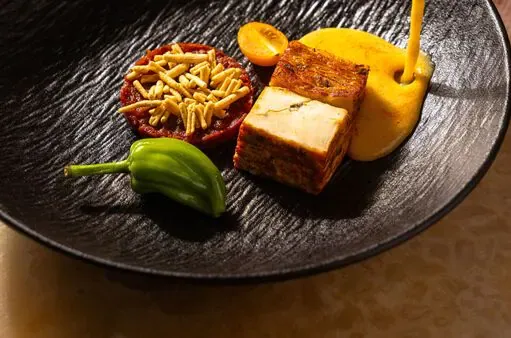
Indian dining habits are shifting as appetite-suppressing drugs like GLP-1 medications gain popularity, leading restaurants to offer smaller portions and lighter dishes. This trend reflects broader changes in fast food, which historically evolved from quick, affordable meals to more health-conscious options. While fast food chains like McDonald's revolutionized quick service with limited menus, Indian eateries have long catered to urban needs with affordable, filling meals. The current shift highlights evolving consumer preferences towards moderation and health.
Political Bias
5%93%2%
Sentiment
62%
AI Analysis
Political bias across 2 sources
● Left 5%● Center 93%● Right 2%
The articles present a largely neutral perspective focusing on consumer behavior and industry responses without political framing. They discuss health trends and historical developments in fast food from economic and social viewpoints, representing perspectives of consumers, medical research, and the restaurant industry. There is no evident political bias or partisan framing in the coverage.
Sentiment — Neutral (62/100)
The tone across the articles is generally informative and neutral, highlighting changes in eating habits and fast food history without emotional language. The coverage balances positive aspects of innovation and health awareness with factual descriptions of industry adaptations, resulting in a mixed but largely neutral sentiment.
How 2 sources covered this story
Each source's own headline, political lean, and sentiment — so you can see framing differences at a glance.
| Source | Their headline | Bias | Sentiment |
|---|---|---|---|
| hindustantimes | The new order: Mridula Ramesh on the riveting evolutions of fast food | Center | Neutral |
| mint | Why are restaurants cutting down the menu? Mint | Center | Positive |
Coverage timeline
mint broke this story on 8 May, 10:36 am. Other outlets followed.
- 1mint8 May, 10:36 amWhy are restaurants cutting down the menu? Mint
- 2hindustantimes8 May, 01:29 pmThe new order: Mridula Ramesh on the riveting evolutions of fast food
Lens Score breakdown
22/100
Public interest0/100
Coverage gap100%
Well-covered story — coverage matches public importance.
Who's involved
Institutions and figures named across source coverage.
Corporate
ZomatoSwiggy
Story context
- Category
- Lifestyle
- Location
- São Paulo, Brazil
- Sources analysed
- 2
- Last analysed
- 8 May 2026
- Key entities
- IndiaMcDonald'sMumbaiDelhiDiabetesSemaglutideMedicationGlucagon-like peptide-1DinerSão PauloBarPatent
Related Coverage
Select a news story to see related coverage from other media outlets.