3 hours agoLifestyle
31LENS
2 SourcesHanle (village), India
 thebalanced.news
Astro-Tourism Emerges as Growing Travel Trend in India’s Dark-Sky Destinations
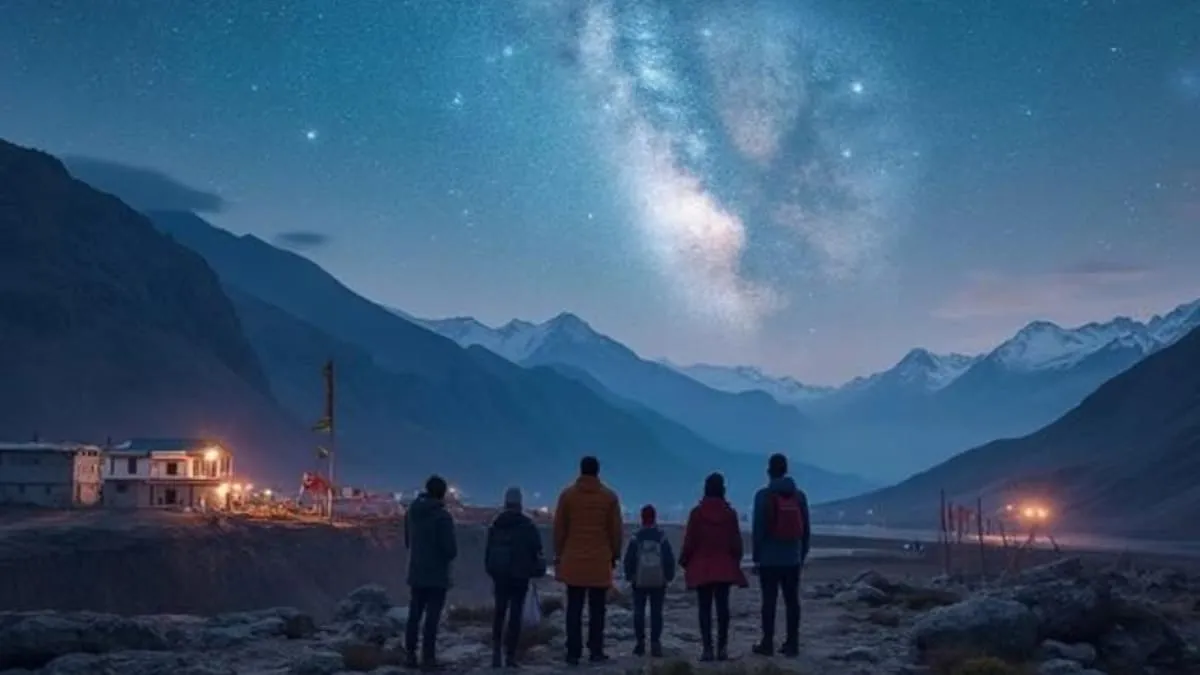
Astro-tourism is gaining popularity in India as travelers seek dark-sky locations to experience clear night skies obscured by urban light pollution. Destinations like Ladakh, Spiti Valley, and coastal islands offer opportunities to view the Milky Way, meteor showers, and constellations. Hospitality providers are promoting properties in remote or high-altitude areas to meet this growing demand. The trend combines science, storytelling, and nature, with organizations like the International Dark-Sky Association supporting certified low-light zones to enhance these immersive experiences.
Political Bias
0%100%0%
Sentiment
75%
AI Analysis
Political bias across 2 sources
● Left 0%● Center 100%● Right 0%
The articles focus primarily on travel and environmental themes without engaging in political discourse. They highlight tourism industry perspectives and scientific organizations promoting astro-tourism, presenting a largely neutral view centered on consumer interest and environmental conditions. No partisan viewpoints or political framing are evident in the coverage.
Sentiment — Positive (75/100)
The tone across the articles is positive and optimistic, emphasizing the appeal and growth of astro-tourism as a unique travel experience. The coverage highlights opportunities for immersive nature engagement and industry responses without negative or critical language, reflecting enthusiasm for this emerging trend.
How 2 sources covered this story
Each source's own headline, political lean, and sentiment — so you can see framing differences at a glance.
| Source | Their headline | Bias | Sentiment |
|---|---|---|---|
| ndtv | Astrotourism Is The Next Big Travel Trend. 5 Best Places For Stargazing In India | Center | Positive |
| news18 | Under India's Darkening Skies: Why Astro-Tourism Is The Next Big Travel Trend | Center | Positive |
Coverage timeline
news18 broke this story on 3 May, 12:11 am. Other outlets followed.
- 1news183 May, 12:11 amUnder India's Darkening Skies: Why Astro-Tourism Is The Next Big Travel Trend
- 2ndtv3 May, 11:03 amAstrotourism Is The Next Big Travel Trend. 5 Best Places For Stargazing In India
Lens Score breakdown
31/100
Public interest0/100
Coverage gap100%
Well-covered story — coverage matches public importance.
Who's involved
Institutions and figures named across source coverage.
Government
Aryabhatta Research Institute of Observational Sciences
Corporate
WanderOnRoyal Orchid Hotels
Story context
- Category
- Lifestyle
- Location
- Hanle (village), India
- Sources analysed
- 2
- Last analysed
- 3 May 2026
- Key entities
- Night skyAmateur astronomyIndiaLight pollutionDark-sky movementMilky WayLadakhGaurSpitiMunsiariAstrophotographyMeditation
Related Coverage
Select a news story to see related coverage from other media outlets.