1 hour agoLifestyle
36LENS
2 SourcesIndia
 thebalanced.news
Indian Fashion Adapts with Functional and Climate-Conscious Designs
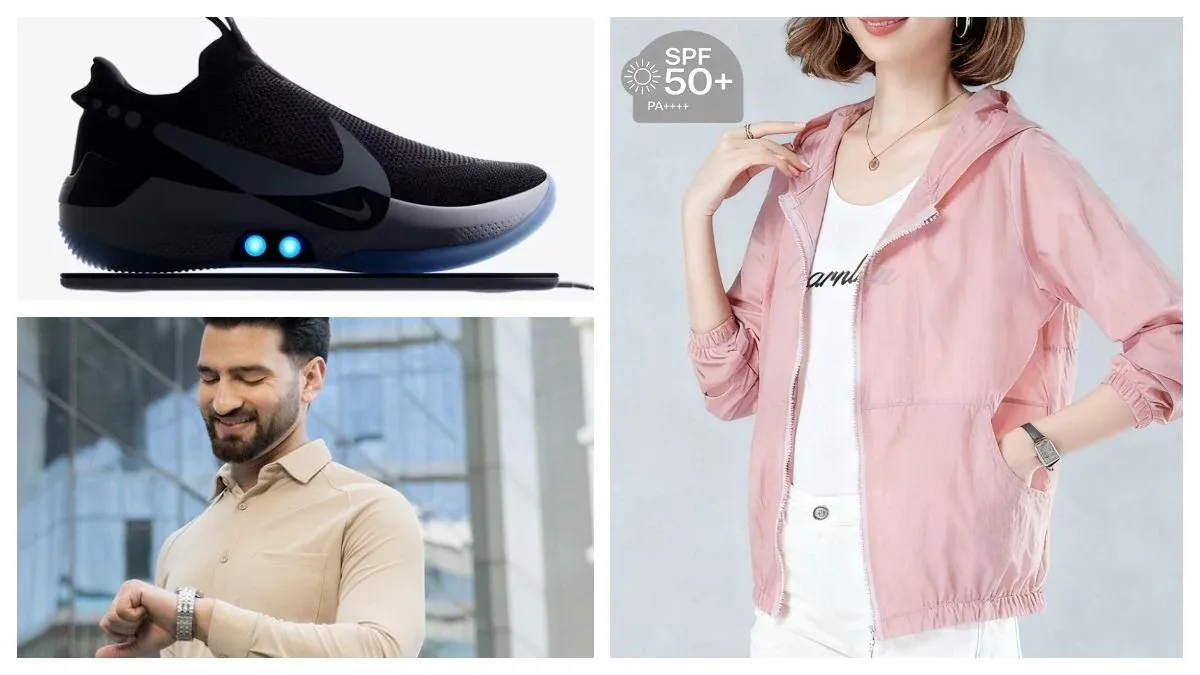
Indian fashion is evolving to blend style with functionality and climate responsiveness. Brands like Harfun offer professional wear featuring technologies such as wrinkle resistance, moisture-wicking, and quick-dry fabrics suited for India's hot, humid climate. Meanwhile, designers like Payal Singhal and Pune-based Jodi focus on breathable, lightweight materials and sustainable production to address rising temperatures and environmental concerns, reflecting a shift toward performance-driven and climate-conscious clothing.
Political Bias
0%100%0%
Sentiment
75%
AI Analysis
Political bias across 2 sources
● Left 0%● Center 100%● Right 0%
The articles primarily present industry and designer perspectives without political framing. They focus on innovation in fashion technology and sustainability, reflecting business and environmental viewpoints. There is no evident political bias, as coverage centers on market trends and design philosophies rather than political or ideological debates.
Sentiment — Positive (75/100)
The tone across the articles is generally positive and forward-looking, highlighting advancements in fabric technology and sustainable practices. The coverage emphasizes solutions to climate challenges and consumer needs, conveying optimism about the evolving fashion landscape without sensationalism or criticism.
How 2 sources covered this story
Each source's own headline, political lean, and sentiment — so you can see framing differences at a glance.
| Source | Their headline | Bias | Sentiment |
|---|---|---|---|
| thefinancialexpress | Fashion meets functionality | Center | Positive |
| thehindu | How Indian designers are turning SS 26 collections into climate dressing guides | Center | Positive |
Coverage timeline
thehindu broke this story on 9 May, 01:38 am. Other outlets followed.
- 1thehindu9 May, 01:38 amHow Indian designers are turning SS 26 collections into climate dressing guides
- 2thefinancialexpress9 May, 02:32 pmFashion meets functionality
Lens Score breakdown
36/100
Public interest0/100
Coverage gap100%
Story is receiving appropriate media attention relative to public interest.
Who's involved
Institutions and figures named across source coverage.
Corporate
Wacoal IndiaNikeHarfunColumbia SportswearRalph LaurenTURMSSavanaNorth FaceLevi's
Story context
- Category
- Lifestyle
- Location
- India
- Sources analysed
- 2
- Last analysed
- 9 May 2026
- Key entities
- TextileIndiaIndian rupeeBreathabilityWorkwearPerspirationLingerieCroreWacoalHumid subtropical climateCapillary actionFormal wear
Related Coverage
Select a news story to see related coverage from other media outlets.