2 hours agoLifestyle
22LENS
2 Sources
 thebalanced.news
Burnout Signs and Impact of Chronic Exhaustion on Motivation and Health
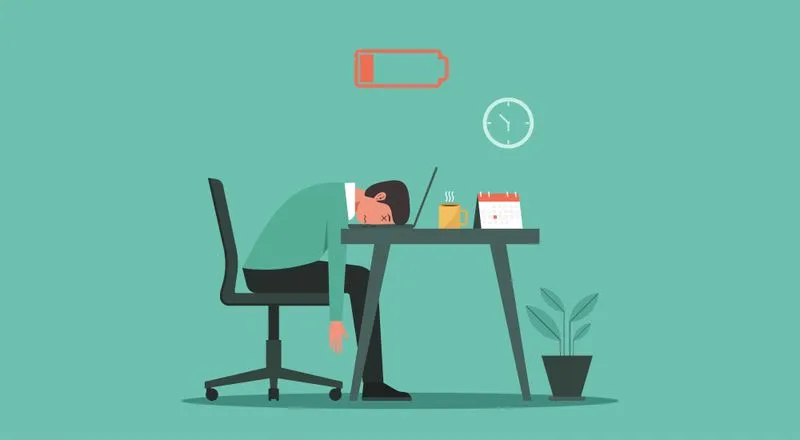
Burnout, recognized by the World Health Organization as a result of chronic workplace stress, manifests as persistent physical, emotional, or mental exhaustion that reduces motivation and performance. It often develops gradually and can be mistaken for laziness or lack of discipline. Studies report burnout prevalence between 25% and 72% among students and professionals. Seasonal factors like heatwaves and disrupted sleep may worsen symptoms. Addressing burnout involves recognizing these signs and responding to the body's needs to prevent anxiety and long-term health issues.
Political Bias
0%100%0%
Sentiment
62%
AI Analysis
Political bias across 2 sources
● Left 0%● Center 100%● Right 0%
The articles present a health-focused perspective without political framing, emphasizing medical and psychological definitions from recognized organizations like WHO and APA. They highlight burnout as a widespread issue affecting various populations, avoiding political or ideological interpretations. The coverage centers on individual well-being and scientific understanding rather than policy or political debate.
Sentiment — Neutral (62/100)
The tone across the articles is informative and cautionary, aiming to raise awareness about burnout without sensationalism. While acknowledging the negative effects of chronic exhaustion and stress, the coverage encourages recognition and proactive response, maintaining a balanced and neutral sentiment focused on health education.
How 2 sources covered this story
Each source's own headline, political lean, and sentiment — so you can see framing differences at a glance.
| Source | Their headline | Bias | Sentiment |
|---|---|---|---|
| thetribune | Feeling tired all the time? Burnout signs you might be missing - The Tribune | Center | Neutral |
| thetribune | Feeling tired all the time? Burnout signs you might be missing - The Tribune | Center | Neutral |
Coverage timeline
thetribune broke this story on 6 May, 01:37 pm. Other outlets followed.
- 1thetribune6 May, 01:37 pmFeeling tired all the time? Burnout signs you might be missing - The Tribune
- 2thetribune6 May, 06:46 pmFeeling tired all the time? Burnout signs you might be missing - The Tribune
Lens Score breakdown
22/100
Public interest0/100
Coverage gap100%
Well-covered story — coverage matches public importance.
Story context
- Category
- Lifestyle
- Sources analysed
- 2
- Last analysed
- 6 May 2026
- Key entities
- FatigueOccupational burnoutAmerican Psychological AssociationOccupational stressWorld Health OrganizationMental disorderEnergyChronic stressProductivityDehydrationAnxiety
Related Coverage
Select a news story to see related coverage from other media outlets.