2 hours agoPolitics
39LENS
2 SourcesIndia
 thebalanced.news
Supreme Court Bans Heavy Vehicle Parking on Highways, Mandates Safety Measures
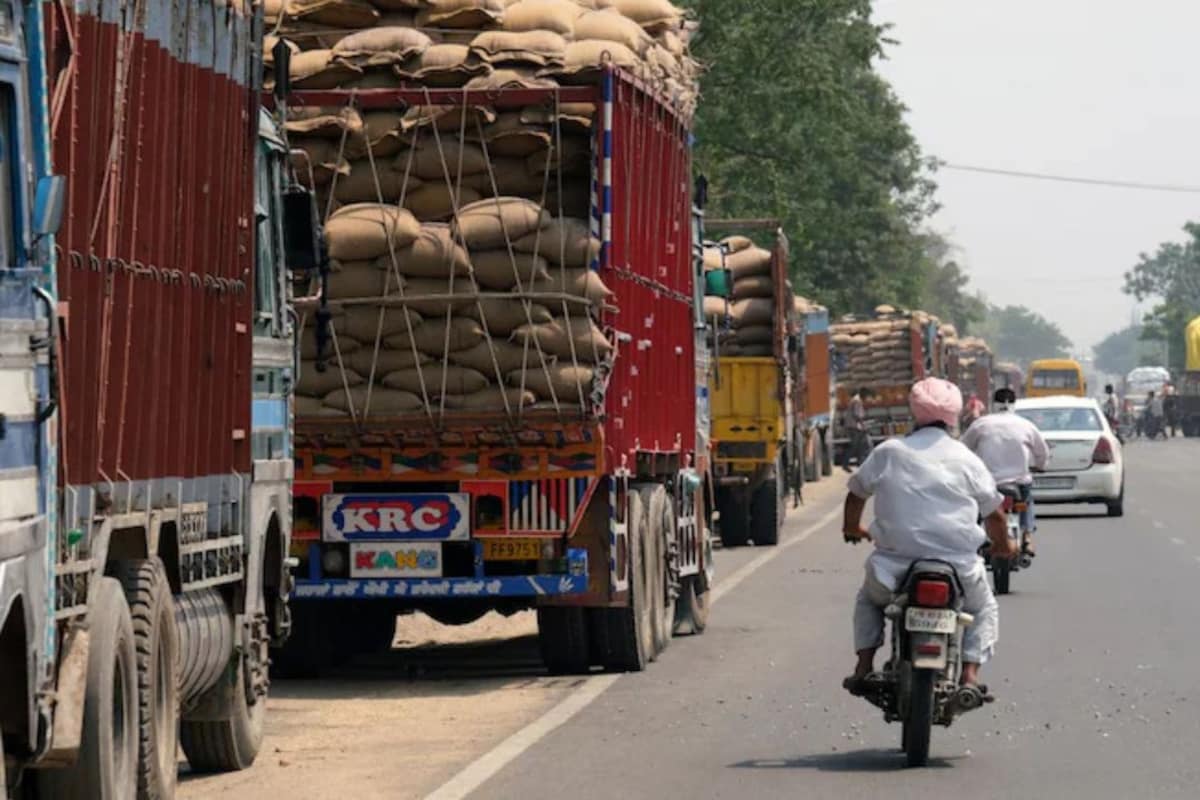
The Supreme Court of India has banned parking of heavy and commercial vehicles on national highways except in designated zones to reduce accidents, as highways account for about 2% of roads but nearly 30% of road deaths. The court mandated technology-driven enforcement using Advanced Traffic Management Systems, GPS monitoring, and e-challan systems. Authorities have 60 days to ensure compliance. Additionally, the court ordered removal of unauthorized roadside structures and improvements in highway safety measures.
Political Bias
5%93%2%
Sentiment
62%
AI Analysis
Political bias across 2 sources
● Left 5%● Center 93%● Right 2%
The articles present a government-led judicial intervention focused on road safety, emphasizing state responsibility without partisan framing. Both sources highlight the Supreme Court's directives and the involvement of multiple authorities, reflecting a neutral stance centered on public safety and administrative accountability.
Sentiment — Neutral (62/100)
The overall tone is factual and procedural, focusing on safety improvements and regulatory enforcement. Coverage is largely neutral, emphasizing the court's concern for reducing fatalities and the steps mandated, without emotional or sensational language.
How 2 sources covered this story
Each source's own headline, political lean, and sentiment — so you can see framing differences at a glance.
| Source | Their headline | Bias | Sentiment |
|---|---|---|---|
| ndtv | Supreme Court Bans Truck Parking On Highways: What The New Road Safety Rules Mean | Center | Positive |
| swarajyamag | Supreme Court Orders Nationwide Crackdown On Highway Hazards, Bans Parking Of Heavy Vehicles And Illegal Structures | Center | Neutral |
Coverage timeline
swarajyamag broke this story on 21 Apr, 05:52 am. Other outlets followed.
- 1swarajyamag21 Apr, 05:52 amSupreme Court Orders Nationwide Crackdown On Highway Hazards, Bans Parking Of Heavy Vehicles And Illegal Structures
- 2ndtv21 Apr, 12:51 pmSupreme Court Bans Truck Parking On Highways: What The New Road Safety Rules Mean
Lens Score breakdown
39/100
Public interest0/100
Coverage gap100%
Story is receiving appropriate media attention relative to public interest.
Accountability flags
TBN's analysis identified the following accountability dimensions in this story.
- public safety issue
This story involves a risk to public safety — infrastructure failure, regulatory lapse, hazardous conditions, or emergency mishandling.
Who's involved
Institutions and figures named across source coverage.
Government
National Highways Authority of IndiaMinistry of Road Transport and HighwaysState AgenciesDistrict MagistratesTransport DepartmentsSupreme Court of IndiaState Police
Judiciary
Supreme Court of India
Story context
- Category
- Politics
- Location
- India
- Sources analysed
- 2
- Last analysed
- 21 Apr 2026
- Key entities
- National highways of IndiaSupreme Court of IndiaIndiaNational Highways Authority of IndiaRest areaTrafficCommercial vehicleGreat Britain road numbering schemeRoad traffic safetyHighwaySupreme courtArtificial intelligence
Related Coverage
Select a news story to see related coverage from other media outlets.