1 hour agoPolitics
38LENS
2 SourcesWest Bank, Palestine
 thebalanced.news
Israeli Army Chief Acknowledges Differing Rules of Engagement in West Bank
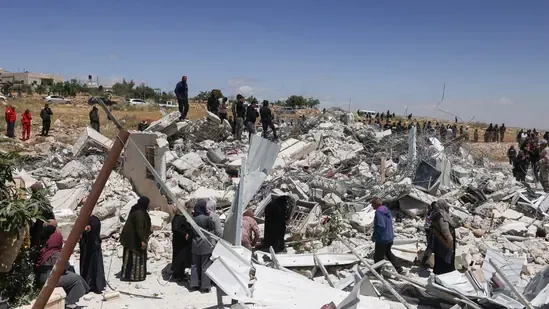
Israeli army chief Maj. Gen. Avi Bluth acknowledged that Israeli forces use different rules of engagement for Palestinians and Jewish settlers in the West Bank, stating troops have fatally shot 42 Palestinian stone-throwers in 2025 while refraining from shooting Jewish rock-throwers. He described the level of force as the highest since 1967 and noted relaxed firing rules against Palestinians near the barrier. Critics have likened this approach to discrimination, highlighting differing legal treatments for Palestinians and Israelis.
Political Bias
70%25%5%
Sentiment
25%
AI Analysis
Political bias across 2 sources
● Left 70%● Center 25%● Right 5%
The articles present perspectives from Israeli military leadership acknowledging discriminatory practices in engagement rules, alongside critical views from media like Haaretz describing the approach as apartheid-like. The coverage includes official statements and contextual background on the Israeli-Palestinian conflict, reflecting both security rationale and human rights concerns without overt editorializing.
Sentiment — Negative (25/100)
The tone across the articles is largely critical and serious, focusing on the implications of increased lethal force and admitted discrimination. While the military perspective emphasizes security justifications, the overall sentiment highlights concerns about fairness and human rights, resulting in a predominantly cautious and critical mood.
How 2 sources covered this story
Each source's own headline, political lean, and sentiment — so you can see framing differences at a glance.
| Source | Their headline | Bias | Sentiment |
|---|---|---|---|
| hindustantimes | Israeli army chief admits to 'discrimination' in shooting rules for Jews and Palestinians in West Bank | Left | Negative |
| ndtv | "Killing Like We Haven't Killed Since 1967": Israeli Army Chief's Big Remark | Left | Negative |
Coverage timeline
ndtv broke this story on 6 May, 09:48 am. Other outlets followed.
- 1ndtv6 May, 09:48 am"Killing Like We Haven't Killed Since 1967": Israeli Army Chief's Big Remark
- 2hindustantimes6 May, 11:59 amIsraeli army chief admits to 'discrimination' in shooting rules for Jews and Palestinians in West Bank
Lens Score breakdown
38/100
Public interest0/100
Coverage gap100%
Story is receiving appropriate media attention relative to public interest.
Accountability flags
TBN's analysis identified the following accountability dimensions in this story.
- abuse of power
This story involves alleged misuse of official authority or institutional position to achieve personal or political ends.
- public safety issue
This story involves a risk to public safety — infrastructure failure, regulatory lapse, hazardous conditions, or emergency mishandling.
- rights violation
This story involves alleged violations of constitutional or human rights — freedom of expression, due process, custodial rights, minority rights.
Who's involved
Institutions and figures named across source coverage.
Enforcement
Israeli ArmyIsraeli Army Central CommandIsraeli militaryIsraeli policeIsrael Defense Forces
Story context
- Category
- Politics
- Location
- West Bank, Palestine
- Sources analysed
- 2
- Last analysed
- 6 May 2026
- Key entities
- PalestiniansHaaretzJewsIsrael Defense ForcesIsraelWest BankMajor generalTerrorism2014 Gaza WarSix-Day WarIsraeli settlementUnited States Central Command
Related Coverage
Select a news story to see related coverage from other media outlets.