13 hours agoPolitics
34LENS
2 SourcesGeneva, Switzerland
 thebalanced.news
India Highlights Universal Health Coverage and Digital Health Initiatives at World Health Assembly
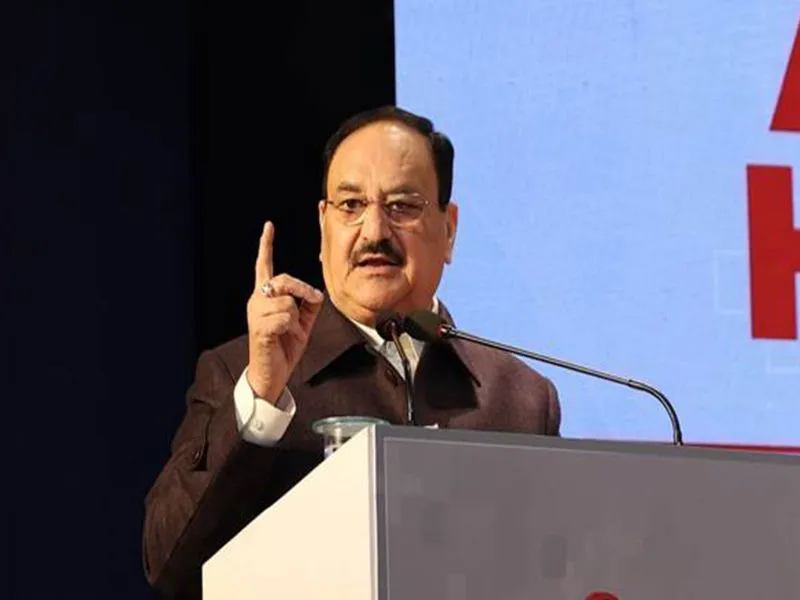
At the 79th World Health Assembly in Geneva, India's Union Health Minister J.P. Nadda reaffirmed the country's commitment to equitable, inclusive healthcare and Universal Health Coverage. He highlighted India's comprehensive approach involving over 1,85,000 Ayushman Arogya Mandirs providing primary care and the Ayushman Bharat Digital Mission, which has created over 880 million digital health IDs to enhance healthcare delivery. Nadda also emphasized pandemic preparedness, resilient health systems, and international cooperation under a 'whole-of-government' and 'whole-of-society' framework.
Political Bias
10%80%10%
Sentiment
75%
AI Analysis
Political bias across 2 sources
● Left 10%● Center 80%● Right 10%
The articles present India's health initiatives from an official government perspective, focusing on policy achievements and commitments without critique. Both sources emphasize the government's role in expanding healthcare access and digital innovation, reflecting a pro-government framing. There is no evident opposition or alternative viewpoints, resulting in coverage centered on official statements and national progress.
Sentiment — Positive (75/100)
The tone across the articles is positive and promotional, highlighting India's advancements in healthcare infrastructure and digital health systems. The coverage underscores progress and commitment without addressing challenges or criticisms, resulting in an optimistic portrayal of India's health sector developments at the international forum.
How 2 sources covered this story
Each source's own headline, political lean, and sentiment — so you can see framing differences at a glance.
| Source | Their headline | Bias | Sentiment |
|---|---|---|---|
| ndtv | Digital Health Revolution: India Pitches Plan At World Health Assembly | Center | Positive |
| thetribune | India reiterates commitment to accelerating universal health coverage at World Health Assembly - The Tribune | Center | Positive |
Coverage timeline
thetribune broke this story on 19 May, 08:30 pm. Other outlets followed.
- 1thetribune19 May, 08:30 pmIndia reiterates commitment to accelerating universal health coverage at World Health Assembly - The Tribune
- 2ndtv20 May, 06:25 amDigital Health Revolution: India Pitches Plan At World Health Assembly
Lens Score breakdown
34/100
Public interest0/100
Coverage gap100%
Well-covered story — coverage matches public importance.
Who's involved
Institutions and figures named across source coverage.
Government
Union Health MinistryGovernment of IndiaAyushman Bharat Digital Mission
Political
Bharatiya Janata Party
Story context
- Category
- Politics
- Location
- Geneva, Switzerland
- Sources analysed
- 2
- Last analysed
- 20 May 2026
- Key entities
- Health careIndiaUniversal health careJ. P. NaddaWorld Health AssemblyMinistry of Health and Family WelfarePublic healthGenevaAyushman Bharat YojanaPrimary healthcareArtificial intelligenceCoronavirus
Related Coverage
Select a news story to see related coverage from other media outlets.