1 hour agoPolitics
25LENS
4 SourcesIslamabad, Pakistan
 thebalanced.news
Iran's Envoy in India Describes Iran-US-Israel Tensions as 'No War, No Peace'
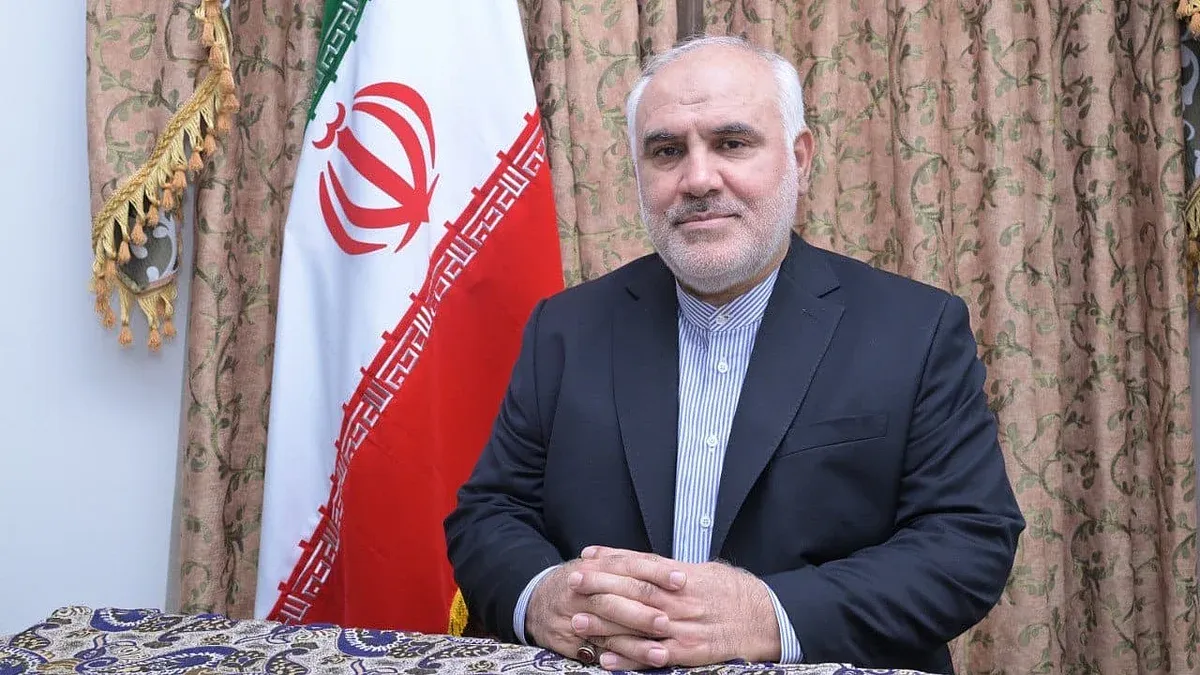
Iran's Supreme Leader's representative in India, Abdul Majeed Hakeem Ilahi, described the current Iran-US-Israel tensions as a state of "no war, no peace," calling for an immediate halt to the conflict. He stated Iran did not seek war but was compelled to respond to attacks, criticizing the US for imposing demands that hinder peace talks. Ilahi emphasized the need for a durable ceasefire respecting Iran's rights, highlighted civilian casualties, and noted ongoing negotiations disrupted by violence.
Political Bias
25%70%5%
Sentiment
40%
AI Analysis
Political bias across 4 sources
● Left 25%● Center 70%● Right 5%
The articles primarily present Iran's official perspective through its Supreme Leader's envoy, emphasizing Iran's stance of defensive response and criticism of US and Israel actions. The coverage reflects Iran's viewpoint on stalled negotiations and calls for peace, with limited representation of US or Israeli perspectives. The framing centers on Iran's grievances and diplomatic efforts, highlighting regional and global implications.
Sentiment — Neutral (40/100)
The overall tone is serious and somber, reflecting the gravity of ongoing conflict and humanitarian concerns. The sentiment is mixed, combining calls for peace and stability with descriptions of violence and suffering. While Iran's position is assertive and defensive, the articles avoid overtly emotional or sensational language, maintaining a measured and factual narrative.
How 2 sources covered this story
Each source's own headline, political lean, and sentiment — so you can see framing differences at a glance.
| Source | Their headline | Bias | Sentiment |
|---|---|---|---|
| indiatvnews | Iran did not want war, but was compelled to respond amid attacks: Supreme Leader's envoy in India | Center | Neutral |
| httpswwwoutlookindiacom | Iran's Envoy on War and Peace in West Asia: India's Strategic Role, BRICS Agenda and Chabahar Port Cooperation Outlook India | Center | Neutral |
Coverage timeline
httpswwwoutlookindiacom broke this story on 2 May, 01:53 am. Other outlets followed.
- 1httpswwwoutlookindiacom2 May, 01:53 amIran's Envoy on War and Peace in West Asia: India's Strategic Role, BRICS Agenda and Chabahar Port Cooperation Outlook India
- 2indiatvnews2 May, 01:08 pmIran did not want war, but was compelled to respond amid attacks: Supreme Leader's envoy in India
Lens Score breakdown
25/100
Public interest0/100
Coverage gap100%
Well-covered story — coverage matches public importance.
Story context
- Category
- Politics
- Location
- Islamabad, Pakistan
- Sources analysed
- 4
- Last analysed
- 2 May 2026
- Key entities
- CeasefireIranIndiaSupreme Leader of IranWar of aggressionAirstrikeAli KhameneiGenevaOmanIsraelStrait of HormuzAgriculture
Related Coverage
Select a news story to see related coverage from other media outlets.