9 hours agoPolitics
29LENS
2 SourcesSriperumbudur, India
 thebalanced.news
Rajiv Gandhi’s Assassination and Earlier Foiled Plot Highlight Political Threats
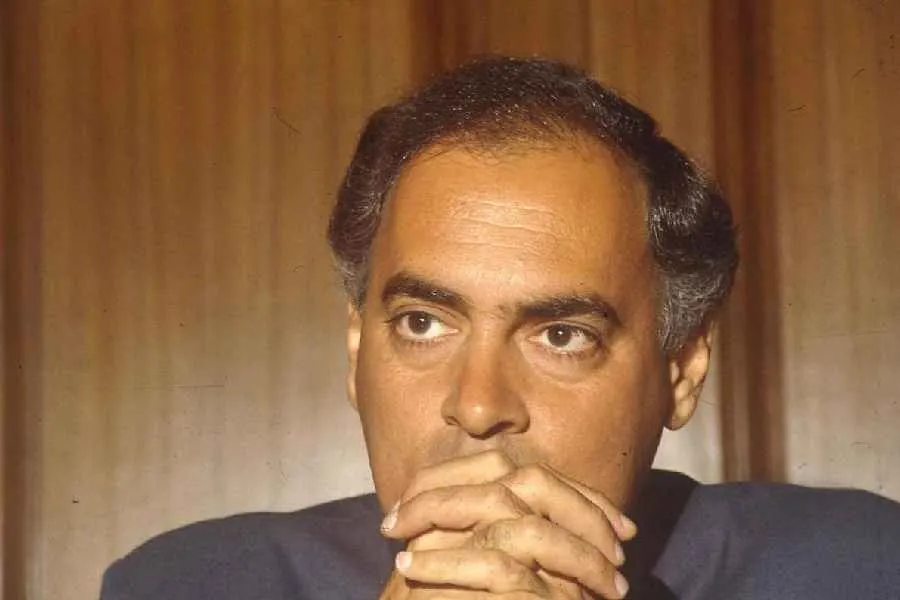
Rajiv Gandhi, India’s former Prime Minister, was assassinated in 1991 during a suicide bombing in Tamil Nadu, cutting short a tenure marked by economic reforms and modernization efforts. Years earlier, a separate assassination plot against him was uncovered in the US involving Khalistani militants, but it was foiled by the FBI. These events highlight the multiple threats Gandhi faced amid political turmoil and the lasting questions about India’s trajectory had he lived.
Political Bias
35%57%8%
Sentiment
58%
AI Analysis
Political bias across 2 sources
● Left 35%● Center 57%● Right 8%
The articles present perspectives focusing on Rajiv Gandhi’s political significance and the threats he faced without endorsing any political ideology. One article reflects on his economic reforms and potential impact had he lived, while the other details a foiled assassination attempt by Khalistani militants, emphasizing security concerns. Both sources frame Gandhi as a central political figure amid complex challenges.
Sentiment — Neutral (58/100)
The overall tone is reflective and factual, combining a somber remembrance of Gandhi’s assassination with a recounting of a thwarted plot. The coverage is neither celebratory nor critical but acknowledges the gravity of the threats and the loss to Indian politics, maintaining a respectful and informative sentiment throughout.
How 2 sources covered this story
Each source's own headline, political lean, and sentiment — so you can see framing differences at a glance.
| Source | Their headline | Bias | Sentiment |
|---|---|---|---|
| indiatoday | A software engineer plotted to kill Rajiv Gandhi in US, 6 years before LTTE struck | Center | Neutral |
| thetelegraph | On his 35th death anniversary, a question that haunts India: What if Rajiv Gandhi had lived? | Left | Positive |
Coverage timeline
thetelegraph broke this story on 21 May, 02:38 pm. Other outlets followed.
- 1thetelegraph21 May, 02:38 pmOn his 35th death anniversary, a question that haunts India: What if Rajiv Gandhi had lived?
- 2indiatoday22 May, 06:21 amA software engineer plotted to kill Rajiv Gandhi in US, 6 years before LTTE struck
Lens Score breakdown
29/100
Public interest0/100
Coverage gap100%
Well-covered story — coverage matches public importance.
Who's involved
Institutions and figures named across source coverage.
Government
Indian GovernmentFBI
Political
Congress Party
Enforcement
FBI
Judiciary
Jain Commission
Story context
- Category
- Politics
- Location
- Sriperumbudur, India
- Sources analysed
- 2
- Last analysed
- 22 May 2026
- Key entities
- AssassinationRajiv GandhiSriperumbudurIndiaMahatma GandhiTamil NaduIndira GandhiIndia TodayLiberation Tigers of Tamil EelamSri LankaJournalistVir Sanghvi
Related Coverage
Select a news story to see related coverage from other media outlets.