2 hours agoPolitics
34LENS
2 SourcesPahalgam, India
 thebalanced.news
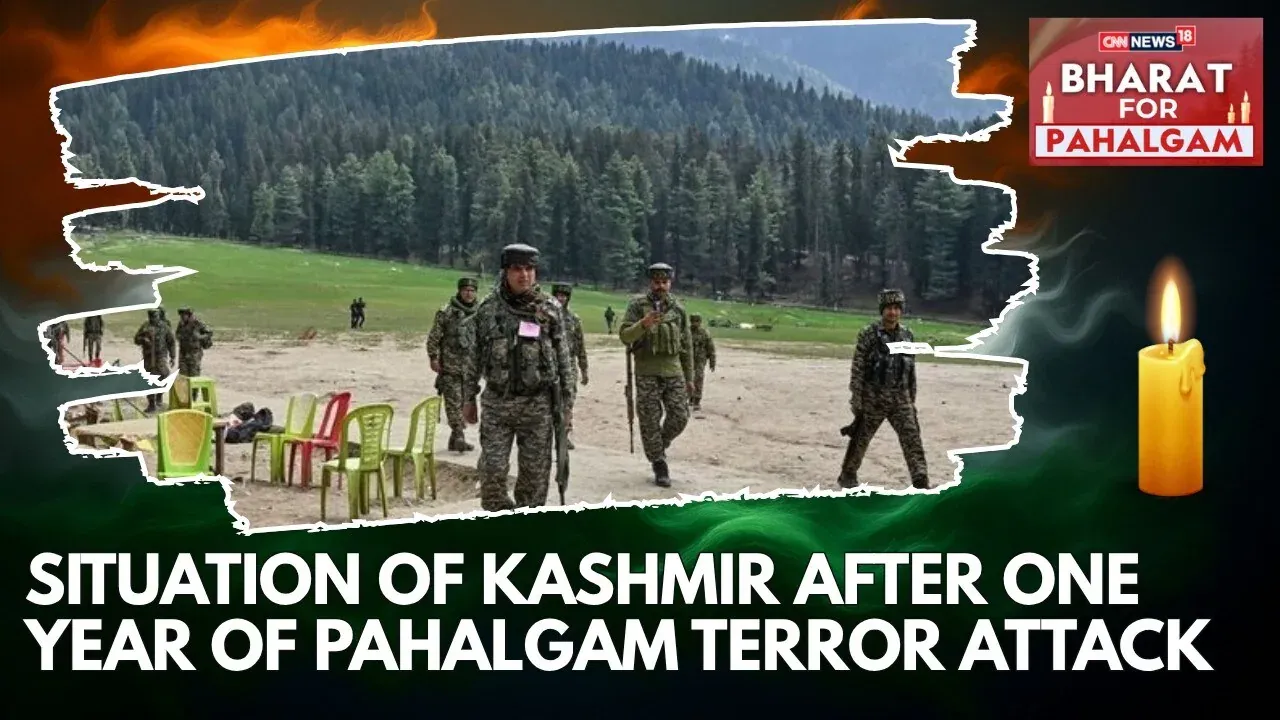
India Enhances Military Strategy in Kashmir One Year After Pahalgam Attack
One year after the Pahalgam terror attack that killed 26 people, India has revamped its military strategy in Jammu and Kashmir. The government and security forces have enhanced intelligence coordination, deployed more temporary bases, increased troop presence, and integrated technology such as drones to improve surveillance and counter-terror operations. These measures aim to strengthen border security, prevent infiltration, and ensure stability in tourist areas like Pahalgam and Baisaran Valley.
Political Bias
10%58%32%
Sentiment
65%
AI Analysis
Political bias across 2 sources
● Left 10%● Center 58%● Right 32%
The articles present a government and military perspective emphasizing proactive security measures and technological upgrades without critique or opposition viewpoints. Coverage focuses on official actions and improvements, reflecting a security-centric narrative common in national media. There is no evident partisan framing or dissenting opinions, resulting in a largely uniform perspective centered on state security efforts.
Sentiment — Neutral (65/100)
The overall tone is cautiously positive, highlighting improvements and strategic responses to the Pahalgam attack. The coverage underscores enhanced security and stability efforts, conveying a sense of progress and vigilance. There is no overtly negative or critical sentiment, but the serious nature of the attack and ongoing security challenges temper the optimism.
How 2 sources covered this story
Each source's own headline, political lean, and sentiment — so you can see framing differences at a glance.
| Source | Their headline | Bias | Sentiment |
|---|---|---|---|
| indianexpress | One year after Pahalgam, what has changed in Army strategy: More temporary bases, focus on drones | Center | Neutral |
| news18 | India Has Revamped Its Military Strategy Kashmir's Tourism Is Rebounding Pahalgam Attack N18 | Right | Neutral |
Coverage timeline
news18 broke this story on 22 Apr, 05:54 am. Other outlets followed.
- 1news1822 Apr, 05:54 amIndia Has Revamped Its Military Strategy Kashmir's Tourism Is Rebounding Pahalgam Attack N18
- 2indianexpress22 Apr, 07:56 amOne year after Pahalgam, what has changed in Army strategy: More temporary bases, focus on drones
Lens Score breakdown
34/100
Public interest0/100
Coverage gap100%
Well-covered story — coverage matches public importance.
Who's involved
Institutions and figures named across source coverage.
Government
Government of IndiaJammu and Kashmir AdministrationArmyPoliceCRPF
Enforcement
Special Forces
Story context
- Category
- Politics
- Location
- Pahalgam, India
- Sources analysed
- 2
- Last analysed
- 22 Apr 2026
- Key entities
- PahalgamIndiaCounterterrorismJammu and Kashmir (union territory)National securityInfiltration tacticsUnited States ArmyUnmanned aerial vehicleSurveillanceKashmirIntelligence assessmentLine of Control
Related Coverage
Select a news story to see related coverage from other media outlets.