1 day agoPolitics
45LENS
2 SourcesUttar Pradesh, India
 thebalanced.news
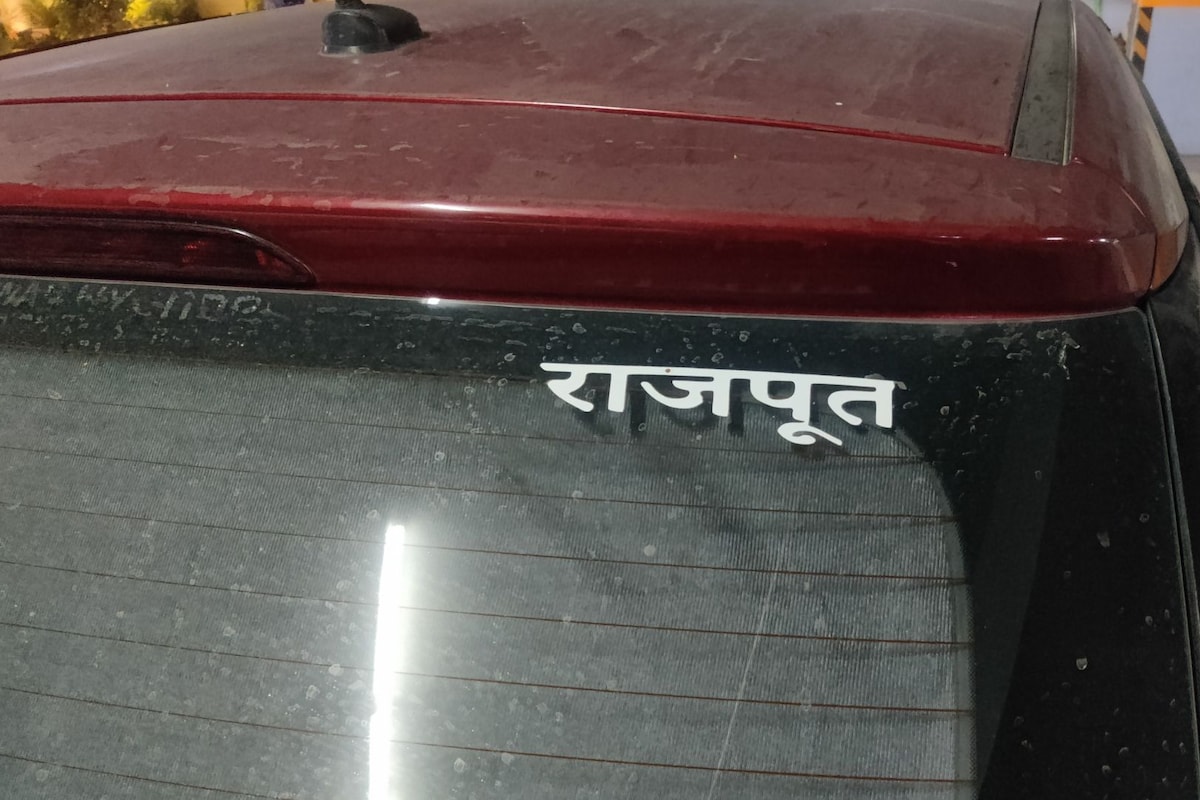
Indian Law Prohibits Displaying Caste Names on Vehicles, Enforcement Varies by State
In India, displaying caste names such as Rajput, Jaat, or Gujjar on vehicles or number plates is common but legally restricted under the Motor Vehicles Act, 1988, and Central Motor Vehicles Rules, 1989. These laws prohibit unauthorized markings on number plates and vehicle bodies, with fines ranging from Rs 1,000 to Rs 10,000 and possible imprisonment for repeat offenses. Enforcement varies by state, with Uttar Pradesh actively penalizing such displays to maintain social harmony, though some view these stickers as expressions of cultural identity.
Political Bias
10%85%5%
Sentiment
52%
AI Analysis
Political bias across 2 sources
● Left 10%● Center 85%● Right 5%
The articles primarily present a legal and administrative perspective on the prohibition of caste name displays on vehicles, reflecting government enforcement efforts. They include viewpoints from authorities emphasizing social harmony and road safety, while also acknowledging proponents who see such displays as cultural expression. The coverage is factual, focusing on regulatory frameworks without partisan framing.
Sentiment — Neutral (52/100)
The tone across the articles is neutral and informative, outlining legal provisions and enforcement actions without emotive language. While noting some cultural significance attributed to caste stickers by supporters, the overall sentiment remains balanced, emphasizing regulatory compliance and social considerations without overt criticism or endorsement.
How 2 sources covered this story
Each source's own headline, political lean, and sentiment — so you can see framing differences at a glance.
| Source | Their headline | Bias | Sentiment |
|---|---|---|---|
| ndtv | Rajput, Jaat, Gujjar...: Is It Legal To Write Your Caste On Car? | Center | Neutral |
| ndtv | Rajput, Jaat, Gujjar...: Is It Legal To Write Your Caste On Car? | Center | Neutral |
Coverage timeline
ndtv broke this story on 17 Apr, 06:00 am. Other outlets followed.
- 1ndtv17 Apr, 06:00 amRajput, Jaat, Gujjar...: Is It Legal To Write Your Caste On Car?
- 2ndtv17 Apr, 06:59 amRajput, Jaat, Gujjar...: Is It Legal To Write Your Caste On Car?
Lens Score breakdown
45/100
Public interest0/100
Coverage gap100%
Story is receiving appropriate media attention relative to public interest.
Who's involved
Institutions and figures named across source coverage.
Government
Motor Vehicles ActNoida PoliceCentral Motor Vehicles RulesTraffic PoliceGhaziabad PoliceUP Transport Department
Enforcement
Ghaziabad PoliceNoida PoliceTraffic Police
Story context
- Category
- Politics
- Location
- Uttar Pradesh, India
- Sources analysed
- 2
- Last analysed
- 17 Apr 2026
- Key entities
- JatsRajputGurjarVehicle registration plateCasteIndian rupeeIndiaPanditYadavTrafficUttar PradeshGhaziabad
Related Coverage
Select a news story to see related coverage from other media outlets.