1 hour agoPolitics
36LENS
2 SourcesSikkim, India
 thebalanced.news
Sikkim Declared India’s First Fully Paperless State Judiciary
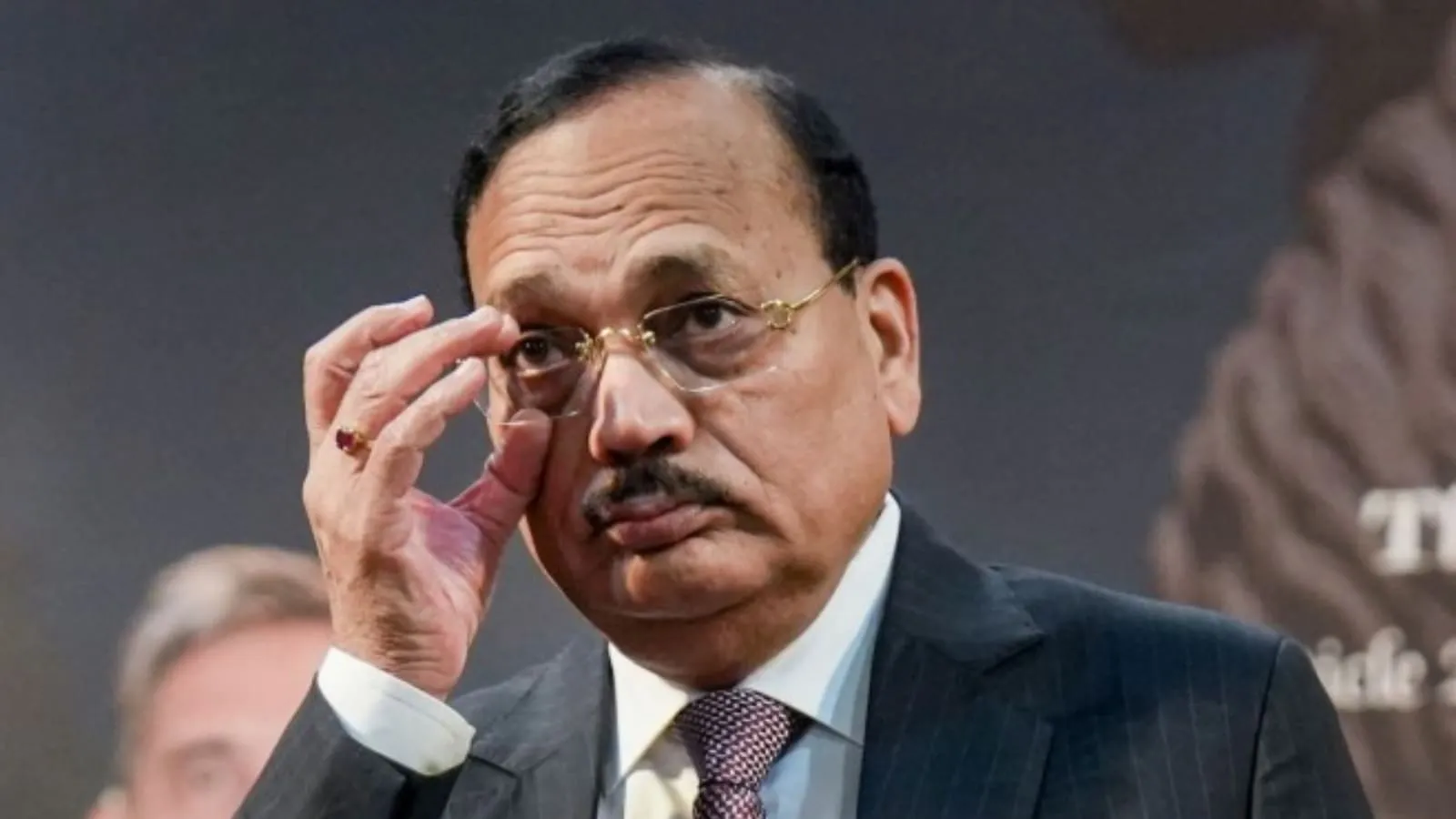
Sikkim has become India's first fully paperless state judiciary, as declared by Chief Justice of India Surya Kant during the National Conclave on Technology and Judicial Education in Gangtok. The transition to digital courts aims to overcome geographical and financial barriers, especially in hilly regions, improving access to justice. The initiative is part of broader judicial reforms including the e-Courts project and AI-based tools, with emphasis on inclusivity and maintaining judicial independence. State leaders hailed the development as a historic step in digital governance.
Political Bias
5%93%2%
Sentiment
75%
AI Analysis
Political bias across 2 sources
● Left 5%● Center 93%● Right 2%
The articles present a largely neutral perspective focusing on judicial reforms and technological advancements in Sikkim. They include official statements from the Chief Justice of India and state leaders without partisan framing. The coverage highlights government initiatives and judicial viewpoints, reflecting consensus on the benefits of digitalization while noting the need for inclusivity and ethical considerations.
Sentiment — Positive (75/100)
The overall tone across the articles is positive, emphasizing progress and innovation in the judiciary through digital transformation. The coverage highlights benefits such as improved access and efficiency, with supportive remarks from officials. While acknowledging challenges like digital literacy, the sentiment remains optimistic about the reforms’ impact on justice delivery.
How 2 sources covered this story
Each source's own headline, political lean, and sentiment — so you can see framing differences at a glance.
| Source | Their headline | Bias | Sentiment |
|---|---|---|---|
| indianexpress | CJI declares Sikkim to be first paperless state judiciary in country | Center | Positive |
| northeastnow | Sikkim becomes India's first fully paperless judiciary | Center | Positive |
Coverage timeline
northeastnow broke this story on 1 May, 02:03 pm. Other outlets followed.
- 1northeastnow1 May, 02:03 pmSikkim becomes India's first fully paperless judiciary
- 2indianexpress1 May, 11:52 pmCJI declares Sikkim to be first paperless state judiciary in country
Lens Score breakdown
36/100
Public interest0/100
Coverage gap100%
Story is receiving appropriate media attention relative to public interest.
Who's involved
Institutions and figures named across source coverage.
Government
High Court of SikkimState Government of SikkimSupreme Court e-CommitteeSikkim State JudiciarySupreme Court of India
Political
Chief Minister Prem Singh Tamang
Judiciary
Chief Justice of the High Court of Sikkim A. Muhamed MustaqueChief Justice Surya KantChief Justice of India Surya Kant
Story context
- Category
- Politics
- Location
- Sikkim, India
- Sources analysed
- 2
- Last analysed
- 2 May 2026
- Key entities
- JudiciarySikkimIndiaChief Justice of IndiaFinanceLawsuitVital recordImmanuel KantEcosystemHimalayasRule of lawSurya Kant (judge)
Related Coverage
Select a news story to see related coverage from other media outlets.