2 hours agoPolitics
35LENS
2 SourcesChandigarh, India
 thebalanced.news
Supreme Court Commends Harish Rana's Family for Organ Donation Following Life Support Withdrawal
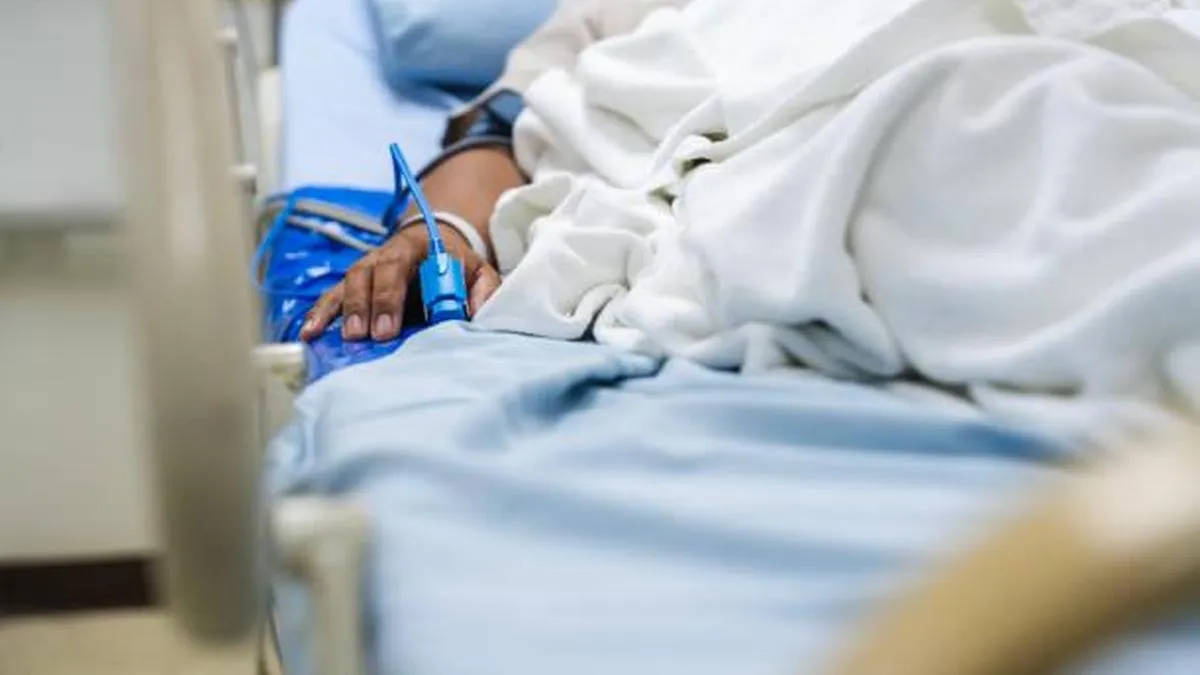
The Supreme Court of India praised the family of Harish Rana, the first person permitted to withdraw clinically assisted nutrition and hydration, for their decision to donate his corneas and heart valves after his death on March 24, 2026. Rana had been in a permanent vegetative state since a 2013 accident. The court highlighted that this act of generosity preserves his legacy and affirmed the dignity and autonomy upheld by allowing withdrawal of life support. The case marked a historic judicial precedent on euthanasia in India.
Political Bias
10%88%2%
Sentiment
75%
AI Analysis
Political bias across 2 sources
● Left 10%● Center 88%● Right 2%
The articles present a judicial perspective focusing on legal and ethical aspects of euthanasia and organ donation without political framing. Both sources emphasize the Supreme Court's role and the family's decision, reflecting a neutral stance centered on medical ethics and patient dignity. There is no evident partisan viewpoint; the coverage is primarily legal and humanitarian.
Sentiment — Positive (75/100)
The tone across the articles is respectful and appreciative, highlighting the family's selflessness and the court's recognition of dignity in death. The sentiment is positive regarding the organ donation and the legal precedent set, with an emphasis on compassion and legacy. There is no negative or critical sentiment present.
How 2 sources covered this story
Each source's own headline, political lean, and sentiment — so you can see framing differences at a glance.
| Source | Their headline | Bias | Sentiment |
|---|---|---|---|
| indianexpress | His legacy will live on in the lives of those he saved, Supreme Court on Harish Rana | Center | Positive |
| thehindu | SC says Harish Rana's family 'selfless' decision to donate organs will keep his legacy alive | Center | Positive |
Coverage timeline
thehindu broke this story on 13 May, 11:52 am. Other outlets followed.
- 1thehindu13 May, 11:52 amSC says Harish Rana's family 'selfless' decision to donate organs will keep his legacy alive
- 2indianexpress13 May, 04:12 pmHis legacy will live on in the lives of those he saved, Supreme Court on Harish Rana
Lens Score breakdown
35/100
Public interest0/100
Coverage gap100%
Story is receiving appropriate media attention relative to public interest.
Who's involved
Institutions and figures named across source coverage.
Government
Supreme CourtChief Medical OfficersAll India Institute of Medical SciencesUnion government
Judiciary
Supreme CourtK.V. ViswanathanDelhi High CourtJustices J.B. Pardiwala
Story context
- Category
- Politics
- Location
- Chandigarh, India
- Sources analysed
- 2
- Last analysed
- 13 May 2026
- Key entities
- CorneaHeart valveEuthanasiaOrgan donationAutonomyGhaziabadMedicineLawsuitSupreme Court of IndiaIndiaAll India Institutes of Medical SciencesJ.B. Pardiwala
Related Coverage
Select a news story to see related coverage from other media outlets.