2 hours agoPolitics
28LENS
2 SourcesIran
 thebalanced.news
UN Warns Iran War Could Push Over 30 Million People Into Poverty
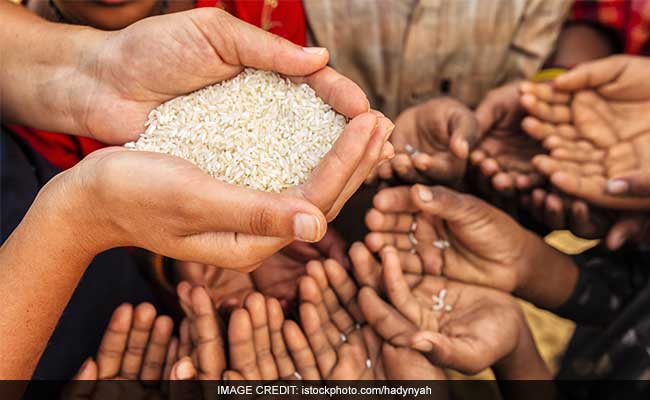
The Iran war is expected to push over 30 million people into poverty due to disruptions in fuel and fertiliser supplies, according to UN development chief Alexander De Croo. Fertiliser shortages, worsened by the Strait of Hormuz blockade, are reducing agricultural productivity and likely to lower crop yields later this year. The crisis is also causing energy shortages, falling remittances, and rising food insecurity. Humanitarian efforts face strain as funding decreases amid growing needs in conflict-affected regions.
Political Bias
5%93%2%
Sentiment
25%
AI Analysis
Political bias across 2 sources
● Left 5%● Center 93%● Right 2%
The articles primarily present the UN development chief's perspective on the humanitarian and economic impacts of the Iran war, focusing on factual consequences such as poverty increase and food insecurity. They include warnings from international organizations without partisan framing, reflecting a neutral, humanitarian viewpoint rather than political analysis or blame attribution.
Sentiment — Negative (25/100)
The overall tone is serious and cautionary, emphasizing the negative humanitarian and economic effects of the conflict. Coverage is largely negative due to the focus on worsening poverty, food insecurity, and strained aid efforts, but it remains factual and measured without sensationalism or emotional language.
How 2 sources covered this story
Each source's own headline, political lean, and sentiment — so you can see framing differences at a glance.
| Source | Their headline | Bias | Sentiment |
|---|---|---|---|
| ndtv | US-Iran War Can Push Over 30 Million People Into Poverty, UN Official Warns | Center | Negative |
| theprint | Iran war pushing more than 30 million back into poverty, UN development chief says | Center | Negative |
Coverage timeline
theprint broke this story on 23 Apr, 11:34 am. Other outlets followed.
- 1theprint23 Apr, 11:34 amIran war pushing more than 30 million back into poverty, UN development chief says
- 2ndtv23 Apr, 01:15 pmUS-Iran War Can Push Over 30 Million People Into Poverty, UN Official Warns
Lens Score breakdown
28/100
Public interest0/100
Coverage gap100%
Well-covered story — coverage matches public importance.
Story context
- Category
- Politics
- Location
- Iran
- Sources analysed
- 2
- Last analysed
- 23 Apr 2026
- Key entities
- FertilizerPovertyIranEnergy crisisStrait of HormuzFood securityMiddle EastUnited NationsRemittancePrime Minister of the United KingdomBelgiumFood prices
Related Coverage
Select a news story to see related coverage from other media outlets.