2 hours agoPolitics
21LENS
2 SourcesIndia
 thebalanced.news
Kohinoor Diamond's History and Debates Over Its Return from British Crown Jewels
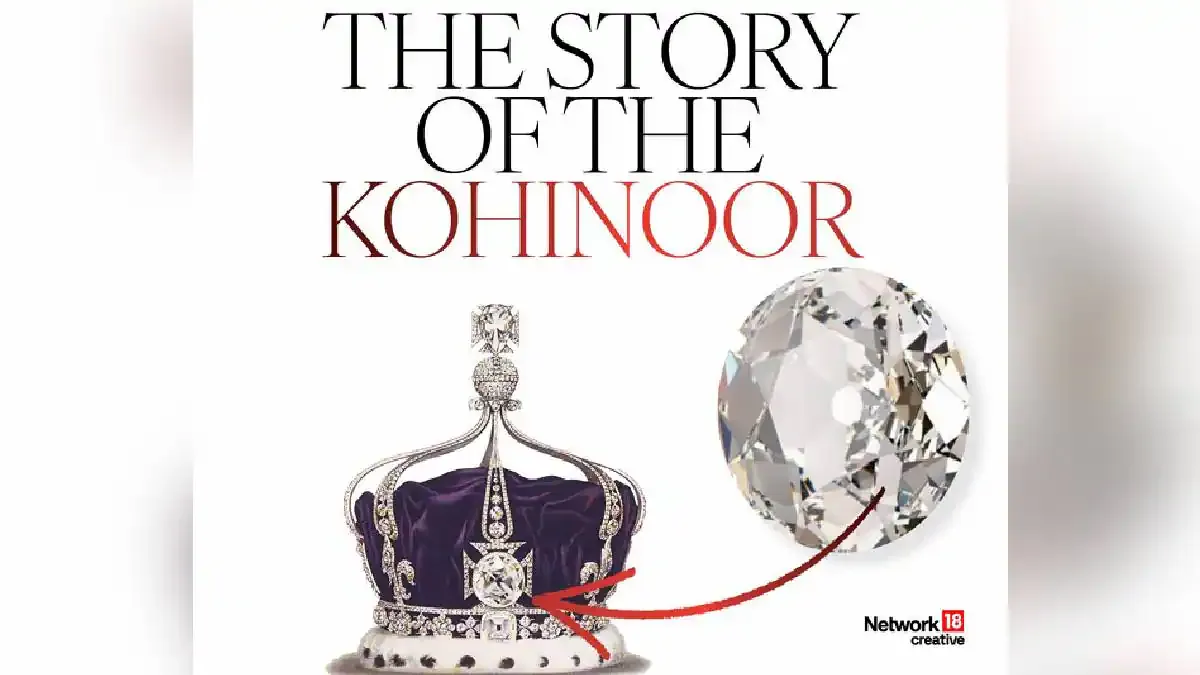
The Kohinoor diamond, weighing 105.6 carats and now part of the British Crown Jewels, has a complex history involving multiple empires, including the Mughals and the Sikh kingdom. It was acquired by the British after annexing Punjab, with some accounts describing it as a coerced gift from the young ruler Duleep Singh. The diamond's origins are debated, with historical records tracing it back to the 17th century. Calls for its return highlight ongoing discussions about colonial-era acquisitions.
Political Bias
40%55%5%
Sentiment
42%
AI Analysis
Political bias across 2 sources
● Left 40%● Center 55%● Right 5%
The articles present perspectives highlighting the colonial context of the Kohinoor's transfer to Britain, including claims of coercion and contested legitimacy. They include historical accounts from Indian and British viewpoints, as well as calls for repatriation. The framing reflects concerns about colonial spoils and national heritage without endorsing a particular political stance.
Sentiment — Neutral (42/100)
The tone across the articles is measured and factual, focusing on historical details and ongoing debates. While some language suggests criticism of colonial acquisition methods, the overall sentiment remains balanced, acknowledging both the diamond's cultural significance and the complexities surrounding its ownership.
How 2 sources covered this story
Each source's own headline, political lean, and sentiment — so you can see framing differences at a glance.
| Source | Their headline | Bias | Sentiment |
|---|---|---|---|
| wion | Mamdani urges return of Koh-i-Noor, puts spotlight on British spoils | Left | Negative |
| firstpost | Kohinoor Diamond: From Indian empires to the British crown, a contested Legacy | Center | Neutral |
Coverage timeline
firstpost broke this story on 30 Apr, 02:31 pm. Other outlets followed.
- 1firstpost30 Apr, 02:31 pmKohinoor Diamond: From Indian empires to the British crown, a contested Legacy
- 2wion30 Apr, 06:47 pmMamdani urges return of Koh-i-Noor, puts spotlight on British spoils
Lens Score breakdown
21/100
Public interest0/100
Coverage gap100%
Well-covered story — coverage matches public importance.
Story context
- Category
- Politics
- Location
- India
- Sources analysed
- 2
- Last analysed
- 30 Apr 2026
- Key entities
- Koh-i-NoorDiamondCrown Jewels of the United KingdomEast India CompanyThe CrownBritish EmpireDuleep SinghQueen VictoriaEdward VIIElizabeth IIMughal EmpireIndia
Related Coverage
Select a news story to see related coverage from other media outlets.