1 hour agoPolitics
32LENS
4 SourcesPunjab, India, India
 thebalanced.news
Supreme Court Rejects Plea Against Use of Ballot Papers in Punjab Local Body Polls
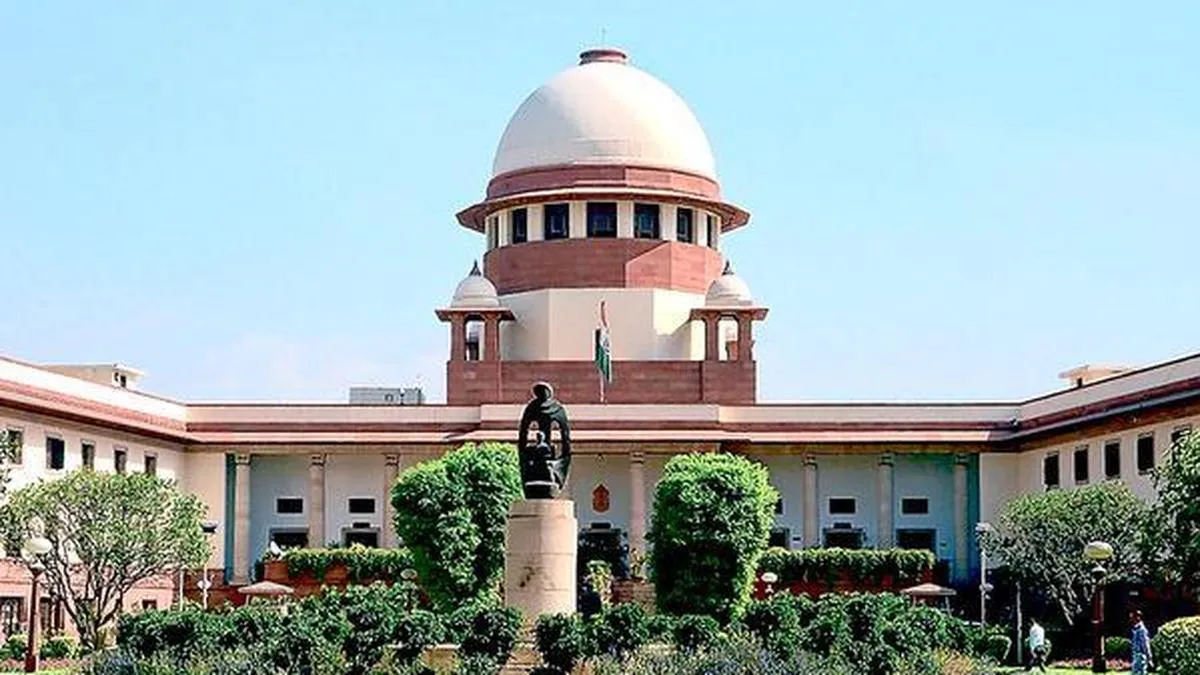
The Supreme Court on May 25, 2026, dismissed a plea challenging the Punjab State Election Commission's decision to conduct local body polls using ballot papers instead of Electronic Voting Machines (EVMs). The Bench, led by Chief Justice Surya Kant, cited the late filing of the petition and the imminent elections on May 26 as reasons for refusal. The court also declined to appoint an observer. The State Election Commission stated EVMs were unavailable as the Election Commission could not supply them on time. Vote counting is scheduled for May 29.
Political Bias
10%85%5%
Sentiment
46%
AI Analysis
Political bias across 4 sources
● Left 10%● Center 85%● Right 5%
The articles present a judicial perspective focusing on procedural aspects and election administration without political commentary. They include the petitioner’s challenge referencing a prior Supreme Court ruling favoring EVMs, and the State Election Commission’s explanation for using ballot papers. The coverage reflects legal and administrative viewpoints, avoiding partisan framing or political analysis.
Sentiment — Neutral (46/100)
The tone across the articles is neutral and factual, emphasizing the court's procedural reasoning and election timelines. There is no evident positive or negative sentiment toward any party; instead, the coverage focuses on the legal dismissal of the plea and logistical details of the election process.
How 4 sources covered this story
Each source's own headline, political lean, and sentiment — so you can see framing differences at a glance.
| Source | Their headline | Bias | Sentiment |
|---|---|---|---|
| mint | SC rejects plea challenging use of ballot papers instead of EVMs for Punjab local body polls Today News | Center | Neutral |
| thehindu | Punjab local body polls: SC refuses to entertain plea challenging use of ballot papers | Center | Neutral |
| thetribune | Punjab local body polls: SC refuses to entertain plea challenging use of ballot papers - The Tribune | Center | Neutral |
| indiatvnews | 'No time left': SC rejects plea challenging use of ballot papers in Punjab local body polls - India TV News | Center | Neutral |
Coverage timeline
indiatvnews broke this story on 25 May, 08:51 am. Other outlets followed.
- 1indiatvnews25 May, 08:51 am'No time left': SC rejects plea challenging use of ballot papers in Punjab local body polls - India TV News
- 2thetribune25 May, 09:21 amPunjab local body polls: SC refuses to entertain plea challenging use of ballot papers - The Tribune
- 3thehindu25 May, 09:30 amPunjab local body polls: SC refuses to entertain plea challenging use of ballot papers
- 4mint25 May, 09:44 amSC rejects plea challenging use of ballot papers instead of EVMs for Punjab local body polls Today News
Lens Score breakdown
32/100
Public interest0/100
Coverage gap90%
Well-covered story — coverage matches public importance.
Who's involved
Institutions and figures named across source coverage.
Government
Punjab State Election Commission
Judiciary
Supreme CourtPunjab and Haryana High Court
Story context
- Category
- Politics
- Location
- Punjab, India, India
- Sources analysed
- 4
- Last analysed
- 25 May 2026
- Key entities
- Supreme Court of IndiaBallotPunjab State Election CommissionPunjab and Haryana High CourtAlternative dispute resolutionStates and union territories of IndiaPunjab, IndiaChief justiceSuryaMunicipal corporationNagar panchayatMunicipal council
Related Coverage
Select a news story to see related coverage from other media outlets.