1 hour agoPolitics
34LENS
2 SourcesNagaland, India
 thebalanced.news
Nagaland Officials and Ao Senden Discuss Article 371(A) and Village Governance
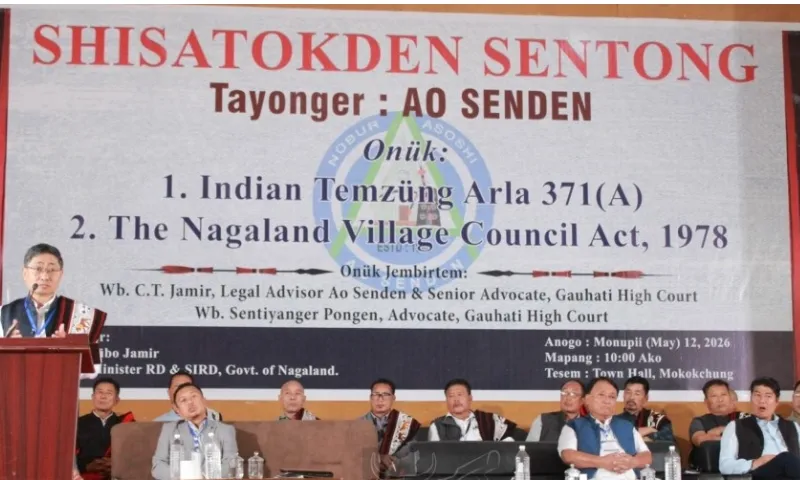
Nagaland Chief Secretary Sentiyanger Imchen described Article 371(A) as a temporary constitutional provision designed to protect the traditional identity of the Naga people, though often misunderstood. Speaking at a seminar organized by Ao Senden, he emphasized adapting laws to evolving societal needs and the role of village councils in safeguarding these provisions. The seminar also highlighted concerns about potential repeal risks and the importance of legal awareness for preserving indigenous rights and promoting self-reliance.
Political Bias
10%85%5%
Sentiment
65%
AI Analysis
Political bias across 2 sources
● Left 10%● Center 85%● Right 5%
The articles present perspectives from Nagaland government officials and community leaders focused on constitutional provisions and local governance. The coverage reflects a regional viewpoint emphasizing indigenous rights and legal protections without partisan framing. Both sources highlight concerns about preserving traditional identity and the need for societal adaptation, maintaining a balanced representation of official and community voices.
Sentiment — Neutral (65/100)
The tone across the articles is generally neutral to cautiously concerned, focusing on legal interpretation and community responsibility. While there is some apprehension about potential threats to constitutional safeguards, the overall sentiment encourages understanding, adaptation, and self-reliance, avoiding alarmist or overly optimistic language.
How 2 sources covered this story
Each source's own headline, political lean, and sentiment — so you can see framing differences at a glance.
| Source | Their headline | Bias | Sentiment |
|---|---|---|---|
| easternmirror | Ao Senden organises seminar on Article 371(A), The Nagaland | Center | Neutral |
| northeastnow | Nagaland: Article 371(A) is transitional provision, says Chief Secretary | Center | Neutral |
Coverage timeline
northeastnow broke this story on 12 May, 01:55 pm. Other outlets followed.
- 1northeastnow12 May, 01:55 pmNagaland: Article 371(A) is transitional provision, says Chief Secretary
- 2easternmirror12 May, 06:05 pmAo Senden organises seminar on Article 371(A), The Nagaland
Lens Score breakdown
34/100
Public interest0/100
Coverage gap100%
Well-covered story — coverage matches public importance.
Who's involved
Institutions and figures named across source coverage.
Government
Nagaland Chief SecretaryNagaland State GovernmentNagaland Village CouncilsNagaland Rural Development MinistryGovernment of India
Political
Nagaland Rural Development Minister
Judiciary
Gauhati High Court
Story context
- Category
- Politics
- Location
- Nagaland, India
- Sources analysed
- 2
- Last analysed
- 12 May 2026
- Key entities
- NagalandConstitution of IndiaNaga peopleAo NagaMokokchung Town Assembly constituencyDimapurMetsübo JamirVillageDependent territoryFundamental rightsGauhati High CourtIndividualism
Related Coverage
Select a news story to see related coverage from other media outlets.