1 hour agoPolitics
23LENS
2 SourcesPunjab, India, India
 thebalanced.news
AAP Faces Challenges After Defections and Electoral Setbacks Amid Ideological Shifts
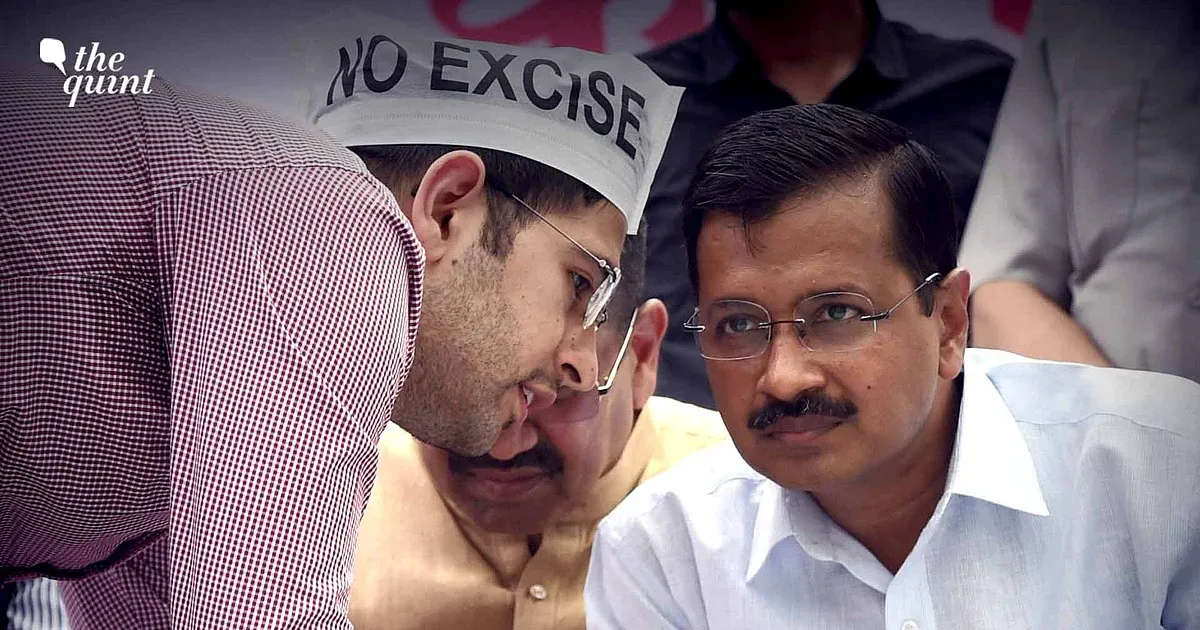
The Aam Aadmi Party (AAP), founded by Arvind Kejriwal on an anti-corruption platform, faces challenges following the defection of seven Rajya Sabha MPs to the BJP and its loss of power in Delhi. While initially seen as a fresh political force representing middle-class aspirations, critics note a shift from its original clean governance ideals to a focus on economic measures and a less defined ideology. The party's future remains uncertain, with key decisions expected in the 2027 Punjab elections.
Political Bias
40%50%10%
Sentiment
35%
AI Analysis
Political bias across 2 sources
● Left 40%● Center 50%● Right 10%
The articles present perspectives highlighting both AAP's rise as an anti-corruption movement and its recent difficulties, including defections to the BJP and electoral losses. They reflect views critical of AAP's ideological changes and governance approach while acknowledging its initial appeal. The coverage includes both supportive and critical angles without endorsing any political side.
Sentiment — Neutral (35/100)
The overall tone is mixed, combining recognition of AAP's early achievements with criticism of its recent setbacks and ideological dilution. The sentiment reflects concern about the party's future but avoids overt negativity, maintaining a balanced assessment of its political trajectory.
How 2 sources covered this story
Each source's own headline, political lean, and sentiment — so you can see framing differences at a glance.
| Source | Their headline | Bias | Sentiment |
|---|---|---|---|
| thequint | Arvind Kejriwal and His AAP: Small Party, Big Dreams, Brutal Lessons | Center | Neutral |
| hindustantimes | The house that Kejriwal built | Center | Neutral |
Coverage timeline
hindustantimes broke this story on 26 Apr, 05:40 pm. Other outlets followed.
- 1hindustantimes26 Apr, 05:40 pmThe house that Kejriwal built
- 2thequint27 Apr, 07:45 amArvind Kejriwal and His AAP: Small Party, Big Dreams, Brutal Lessons
Lens Score breakdown
23/100
Public interest0/100
Coverage gap100%
Well-covered story — coverage matches public importance.
Who's involved
Institutions and figures named across source coverage.
Political
Bharatiya Janata PartyAam Aadmi PartyAAPBJP
Story context
- Category
- Politics
- Location
- Punjab, India, India
- Sources analysed
- 2
- Last analysed
- 27 Apr 2026
- Key entities
- Aam Aadmi PartyPunjab, IndiaRajya SabhaBharatiya Janata PartyDelhiAnti-corruptionArvind KejriwalList of chief ministers of DelhiRaghav ChadhaMiddle classPopulismCorruption
Related Coverage
Select a news story to see related coverage from other media outlets.