1 hour agoPolitics
35LENS
2 SourcesIran
 thebalanced.news
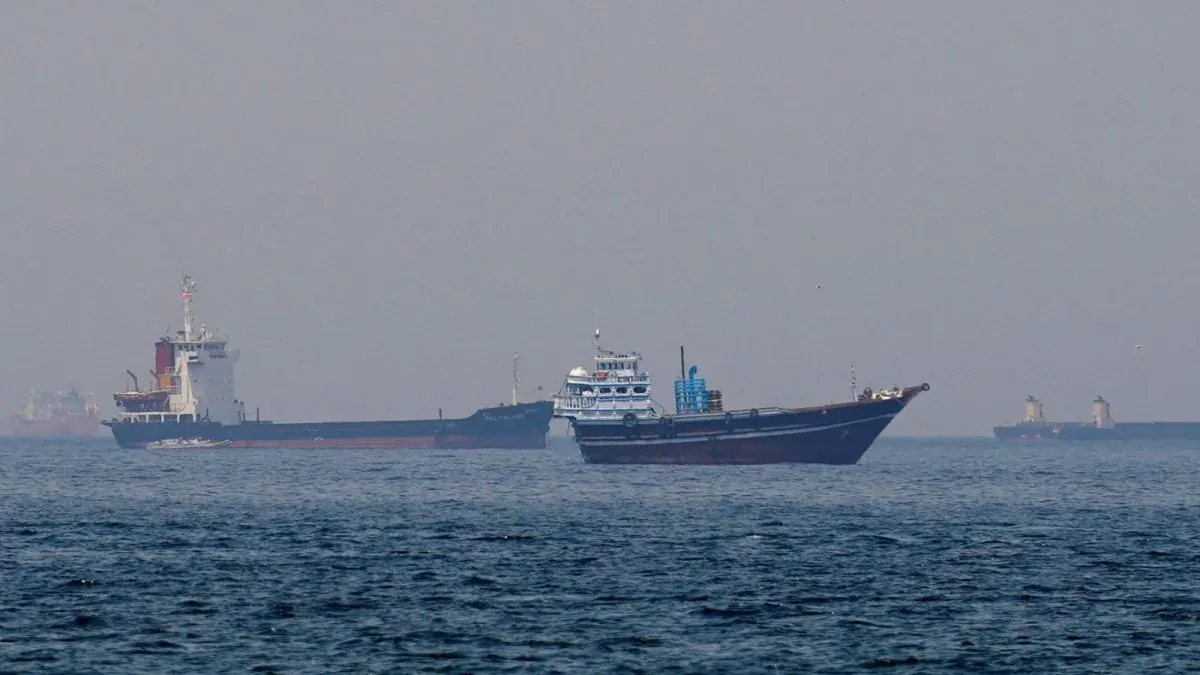
US-Iran Dual Blockade in Strait of Hormuz Escalates Shipping and Diplomatic Tensions
The Strait of Hormuz faces a severe shipping crisis as the US enforces a naval blockade on Iran-linked vessels, while Iran retaliates by restricting passage through the waterway. This dual blockade has drastically reduced commercial traffic and oil exports, causing global crude prices to rise. Despite US claims of the blockade's effectiveness, Iran refuses to engage in peace talks as tensions persist, with both sides maintaining their stances amid ongoing regional confrontations.
Political Bias
10%82%8%
Sentiment
35%
AI Analysis
Political bias across 2 sources
● Left 10%● Center 82%● Right 8%
The articles present perspectives from both the US and Iran, highlighting US President Trump's enforcement of the blockade and claims of its effectiveness, alongside Iran's retaliatory restrictions and refusal to negotiate under blockade conditions. Coverage reflects official statements from both governments without favoring either side, illustrating the ongoing standoff and its geopolitical implications.
Sentiment — Neutral (35/100)
The overall tone is serious and factual, focusing on the escalation of tensions and the resulting economic and diplomatic impacts. While the US emphasizes the blockade's success, Iran's refusal to negotiate introduces a note of uncertainty, resulting in a mixed sentiment that underscores the complexity and persistence of the conflict.
How 2 sources covered this story
Each source's own headline, political lean, and sentiment — so you can see framing differences at a glance.
| Source | Their headline | Bias | Sentiment |
|---|---|---|---|
| timesnow | 'Effective' Blockade vs No Talks: Strait of Hormuz at Centre of US-Iran Standoff | Center | Neutral |
| news18 | How Trump's Hormuz Blockade Has Deepened A Historic Shipping Crisis | Center | Negative |
Coverage timeline
news18 broke this story on 26 Apr, 02:23 pm. Other outlets followed.
- 1news1826 Apr, 02:23 pmHow Trump's Hormuz Blockade Has Deepened A Historic Shipping Crisis
- 2timesnow27 Apr, 12:52 am'Effective' Blockade vs No Talks: Strait of Hormuz at Centre of US-Iran Standoff
Lens Score breakdown
35/100
Public interest0/100
Coverage gap100%
Story is receiving appropriate media attention relative to public interest.
Who's involved
Institutions and figures named across source coverage.
Government
CENTCOMIranian GovernmentUnited States Government
Enforcement
Iranian Naval ForcesUS NavyUS Air Force
Story context
- Category
- Politics
- Location
- Iran
- Sources analysed
- 2
- Last analysed
- 27 Apr 2026
- Key entities
- Strait of HormuzBlockadeDonald TrumpIranPetroleumStraitWaterwayBrent CrudeUnited States NavyHormuz, IranNaval mineBloomberg L.P.
Related Coverage
Select a news story to see related coverage from other media outlets.