2 hours agoPolitics
31LENS
2 SourcesGreat Nicobar Island, India
 thebalanced.news
Great Nicobar Development Project Faces Environmental and Tribal Concerns Amid Strategic Plans
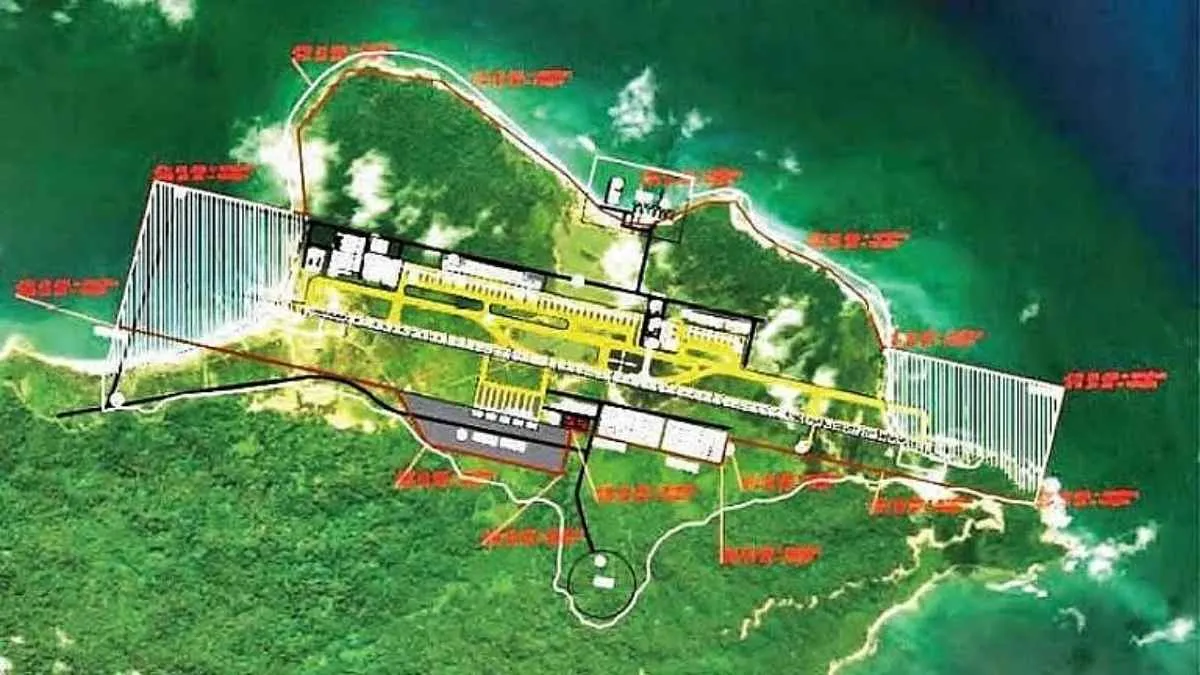
The Great Nicobar Integrated Development Project aims to develop the island into a strategic maritime and economic hub with a port, airport, power plant, and township by 2035-2047. While the government cites strategic importance, opposition parties and environmentalists raise concerns about ecological damage, tribal displacement, and compliance with forest rights laws. Representatives from the Vanvasi Kalyan Ashram acknowledge environmental risks and tribal sensitivities, emphasizing the need for genuine consultation, protection, and fair compensation for affected communities.
Political Bias
40%45%15%
Sentiment
50%
AI Analysis
Political bias across 2 sources
● Left 40%● Center 45%● Right 15%
The article group presents perspectives from both the government and opposition parties, including the Congress party's environmental and tribal rights objections and the government's strategic rationale. It also includes views from an RSS-affiliated organization acknowledging risks while supporting development with safeguards. This mix reflects a balanced representation of political and stakeholder viewpoints without favoring any side.
Sentiment — Neutral (50/100)
The overall tone is mixed, combining cautious optimism about the project's strategic benefits with serious concerns about environmental impact and tribal displacement. Coverage includes acknowledgment of risks and the need for mitigation, reflecting a nuanced sentiment rather than purely positive or negative framing.
How 2 sources covered this story
Each source's own headline, political lean, and sentiment — so you can see framing differences at a glance.
| Source | Their headline | Bias | Sentiment |
|---|---|---|---|
| thefinancialexpress | Explainer: Why the Great Nicobar Island project is courting controversy | Center | Neutral |
| theprint | Great Nicobar project must be implemented in consultation with local tribals: Vanvasi Kalyan Ashram | Center | Neutral |
Coverage timeline
theprint broke this story on 22 May, 10:22 am. Other outlets followed.
- 1theprint22 May, 10:22 amGreat Nicobar project must be implemented in consultation with local tribals: Vanvasi Kalyan Ashram
- 2thefinancialexpress22 May, 03:43 pmExplainer: Why the Great Nicobar Island project is courting controversy
Lens Score breakdown
31/100
Public interest0/100
Coverage gap100%
Well-covered story — coverage matches public importance.
Who's involved
Institutions and figures named across source coverage.
Government
NITI AayogCalcutta High CourtCentral GovernmentNational Green Tribunal
Political
Congress PartyVanvasi Kalyan Ashram
Judiciary
Calcutta High CourtNational Green Tribunal
Religious
RSS
Story context
- Category
- Politics
- Location
- Great Nicobar Island, India
- Sources analysed
- 2
- Last analysed
- 22 May 2026
- Key entities
- Great Nicobar IslandPortIndiaInternational airportCroreIndian rupeeSingaporeShompen peopleJarawas (Andaman Islands)Parliament of the United KingdomEnvironmentalismMahatma Gandhi
Related Coverage
Select a news story to see related coverage from other media outlets.