2 hours agoPolitics
28LENS
2 SourcesTehran, Iran
 thebalanced.news
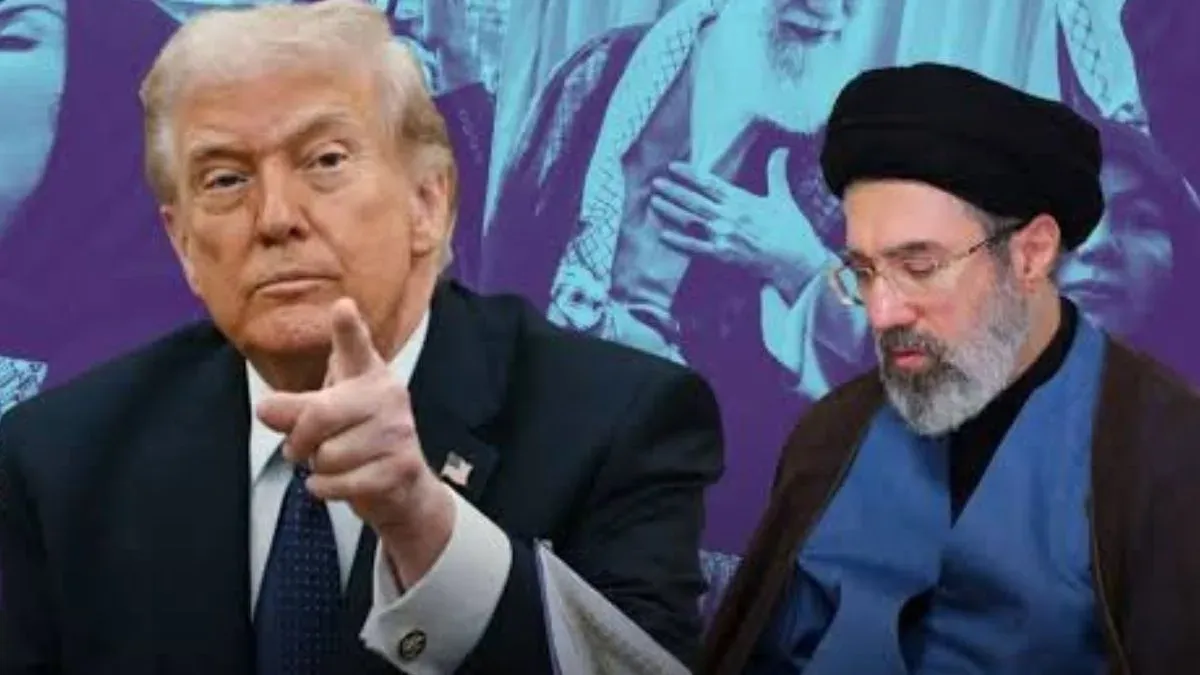
Shipping Resumes in Strait of Hormuz Amid Ongoing US-Israel-Iran Tensions and Nuclear Talks
After weeks of disruption from US-Israel strikes on Iran, shipping through the Strait of Hormuz has resumed, easing global energy concerns temporarily. However, military presence and political tensions persist, with Iran rejecting uranium transfer proposals and the US maintaining a blockade. Diplomatic efforts continue amid conflicting positions on Iran's nuclear program, while regional instability affects neighboring countries and global markets remain sensitive to developments.
Political Bias
5%93%2%
Sentiment
40%
AI Analysis
Political bias across 2 sources
● Left 5%● Center 93%● Right 2%
The articles present multiple perspectives including US, Israeli, and Iranian viewpoints, highlighting diplomatic negotiations, military actions, and regional political shifts. Coverage reflects both US optimism about nuclear deal progress and Iran's resistance, without favoring either side. Regional impacts and global market reactions are also included, providing a broad geopolitical context.
Sentiment — Neutral (40/100)
The tone across the articles is mixed, combining cautious optimism about resumed shipping and potential diplomatic progress with concerns over ongoing military presence, unresolved nuclear disputes, and regional instability. The coverage balances relief over eased energy disruptions with warnings about the fragile and volatile situation.
How 2 sources covered this story
Each source's own headline, political lean, and sentiment — so you can see framing differences at a glance.
| Source | Their headline | Bias | Sentiment |
|---|---|---|---|
| economictimes | US Israel-Iran War Day 50: Trump vows to seize Iran's uranium, Tehran's terms on Strait of Hormuz oil prices dip | Center | Neutral |
| thestatesman | US-Israel-Iran LIVE Updates: Iran rejects uranium transfer as US keeps blockade, pushes deal | Center | Neutral |
Coverage timeline
thestatesman broke this story on 18 Apr, 03:07 am. Other outlets followed.
- 1thestatesman18 Apr, 03:07 amUS-Israel-Iran LIVE Updates: Iran rejects uranium transfer as US keeps blockade, pushes deal
- 2economictimes18 Apr, 05:21 amUS Israel-Iran War Day 50: Trump vows to seize Iran's uranium, Tehran's terms on Strait of Hormuz oil prices dip
Lens Score breakdown
28/100
Public interest0/100
Coverage gap100%
Well-covered story — coverage matches public importance.
Story context
- Category
- Politics
- Location
- Tehran, Iran
- Sources analysed
- 2
- Last analysed
- 18 Apr 2026
- Key entities
- IranUraniumPetroleumStrait of HormuzBlockadeMiddle EastUnited StatesTehranDonald TrumpPrice of oilMultinational corporationEarthquake
Related Coverage
Select a news story to see related coverage from other media outlets.