1 hour agoPolitics
25LENS
2 SourcesIndia
 thebalanced.news
Comparing Exit Poll Challenges and Methods in India and the US Elections
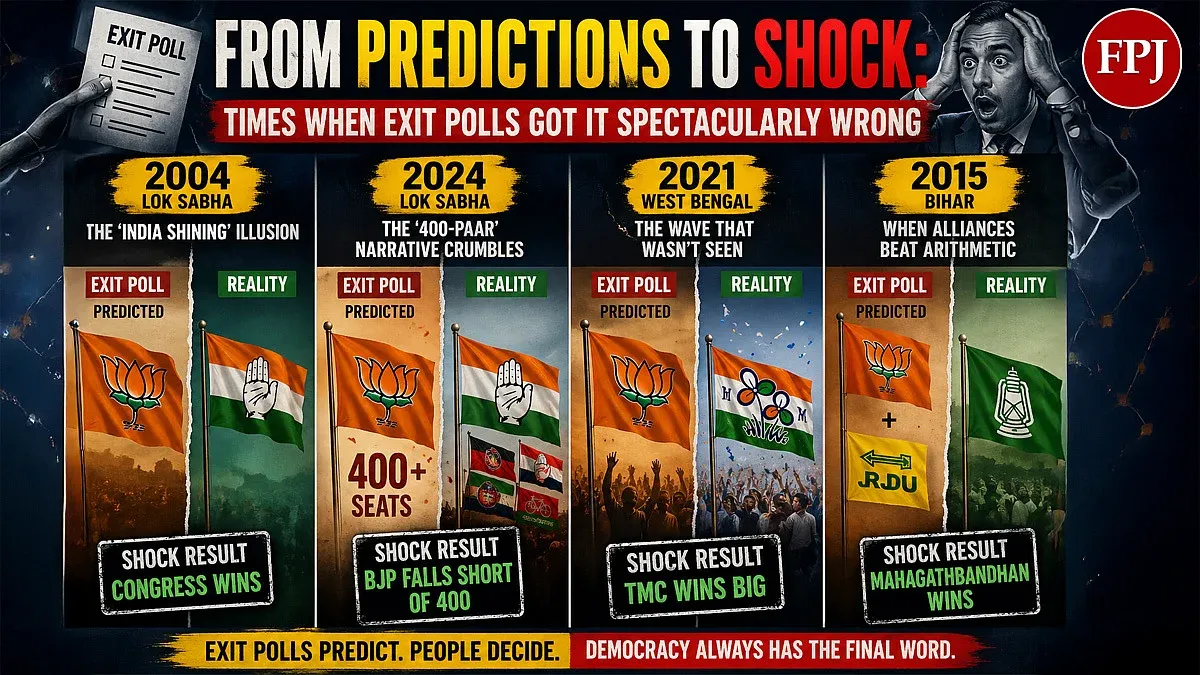
Exit polls in India have frequently misjudged electoral outcomes due to factors like silent voters, caste dynamics, and last-minute shifts, as seen in the 2004 and 2024 Lok Sabha elections. In contrast, US exit polls face challenges from early and mail-in voting, prompting the use of supplementary survey methods. Indian exit polls are conducted by independent agencies with media partnerships, while US polls are centralized through consortiums like the National Election Pool, reflecting differing electoral and polling contexts.
Political Bias
10%85%5%
Sentiment
52%
AI Analysis
Political bias across 2 sources
● Left 10%● Center 85%● Right 5%
The articles present a neutral comparison of exit poll methodologies and challenges in India and the US without favoring any political party or ideology. They highlight historical inaccuracies in Indian exit polls and procedural differences in the US, focusing on technical and contextual factors rather than political interpretations or partisan perspectives.
Sentiment — Neutral (52/100)
The overall tone is analytical and informative, emphasizing the complexities and limitations of exit polls in both countries. Coverage is balanced, acknowledging shortcomings without assigning blame, and explaining adaptations in polling methods. The sentiment is neither overtly positive nor negative but reflects a measured assessment of exit poll reliability.
How 2 sources covered this story
Each source's own headline, political lean, and sentiment — so you can see framing differences at a glance.
| Source | Their headline | Bias | Sentiment |
|---|---|---|---|
| moneycontrol | From prediction to analysis: How exit polls differ in India and the US- Moneycontrol.com | Center | Neutral |
| freepressjournal | From Predictions To Shock: Times When Exit Polls Got It Spectacularly Wrong | Center | Neutral |
Coverage timeline
freepressjournal broke this story on 29 Apr, 12:30 pm. Other outlets followed.
- 1freepressjournal29 Apr, 12:30 pmFrom Predictions To Shock: Times When Exit Polls Got It Spectacularly Wrong
- 2moneycontrol29 Apr, 12:52 pmFrom prediction to analysis: How exit polls differ in India and the US- Moneycontrol.com
Lens Score breakdown
25/100
Public interest0/100
Coverage gap100%
Well-covered story — coverage matches public importance.
Who's involved
Institutions and figures named across source coverage.
Political
NDATrinamool CongressUPAMahagathbandhanBJPCongress
Story context
- Category
- Politics
- Location
- India
- Sources analysed
- 2
- Last analysed
- 29 Apr 2026
- Key entities
- Exit pollIndiaWest BengalMamata BanerjeeNational Democratic AllianceLok SabhaLandslide victoryCasteBharatiya Janata PartyIndia ShiningAtal Bihari VajpayeeUnited Progressive Alliance
Related Coverage
Select a news story to see related coverage from other media outlets.