3 hours agoPolitics
25LENS
2 SourcesRussia
 thebalanced.news
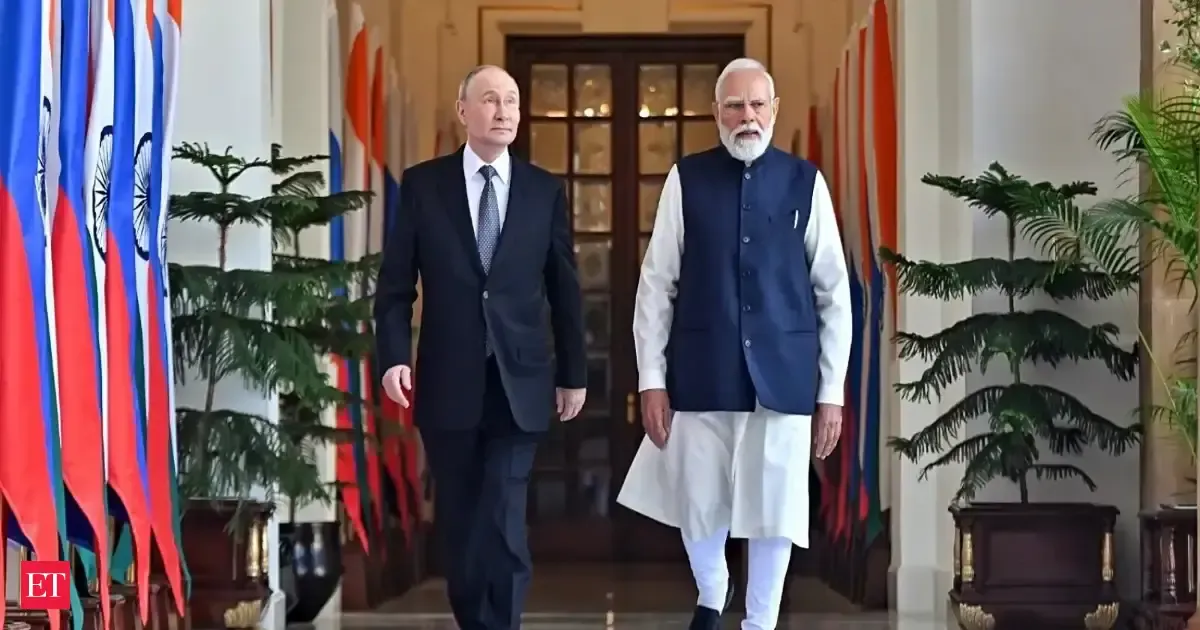
India to Chair Expanded BRICS Group in 2026 Amid Geopolitical Challenges
India will chair the expanded BRICS group in 2026 amid geopolitical tensions, including conflicts involving member states Iran and Russia. The bloc, now comprising 11 countries representing nearly half the global population and GDP, faces challenges such as institutional development and strategic coherence. India's presidency aims to promote practical cooperation in trade, investment, and digital connectivity, seeking to strengthen BRICS as a platform for multipolarity and global stability despite differing member priorities and ongoing conflicts.
Political Bias
15%80%5%
Sentiment
70%
AI Analysis
Political bias across 2 sources
● Left 15%● Center 80%● Right 5%
The articles present a balanced view highlighting India's leadership role and the complexities within BRICS, including geopolitical conflicts and differing member agendas. Perspectives include India's strategic ambitions and the challenges posed by members like Russia and Iran. The coverage reflects a mix of diplomatic optimism and recognition of internal divergences without favoring any political stance.
Sentiment — Positive (70/100)
The overall tone is cautiously optimistic, acknowledging both the opportunities India’s presidency offers for global cooperation and the significant challenges BRICS faces due to geopolitical tensions and institutional limitations. The sentiment balances hope for pragmatic progress with realism about the bloc’s current difficulties.
How 2 sources covered this story
Each source's own headline, political lean, and sentiment — so you can see framing differences at a glance.
| Source | Their headline | Bias | Sentiment |
|---|---|---|---|
| arunachaltimesin | From dream to delivery | Center | Neutral |
| economictimes | India's BRICS presidency: Beyond trade and investment narratives | Center | Positive |
Coverage timeline
economictimes broke this story on 21 May, 03:43 pm. Other outlets followed.
- 1economictimes21 May, 03:43 pmIndia's BRICS presidency: Beyond trade and investment narratives
- 2arunachaltimesin21 May, 07:53 pmFrom dream to delivery
Lens Score breakdown
25/100
Public interest0/100
Coverage gap100%
Well-covered story — coverage matches public importance.
Who's involved
Institutions and figures named across source coverage.
Government
Government of IndiaChintan Research FoundationBRICS Secretariat (proposed)
Political
BRICS Bank (NDB)BRICS Member Countries
Story context
- Category
- Politics
- Location
- Russia
- Sources analysed
- 2
- Last analysed
- 21 May 2026
- Key entities
- BRICSIndiaCurrencyAutonomyNew DelhiGlobal North and Global SouthRussiaIranChinaEuropean UnionSouth AfricaBrazil
Related Coverage
Select a news story to see related coverage from other media outlets.