2 hours agoPolitics
32LENS
4 SourcesHebron, Palestine
 thebalanced.news
Lebanese Journalist Amal Khalil Killed in Israeli Airstrike Amid Ongoing Conflict
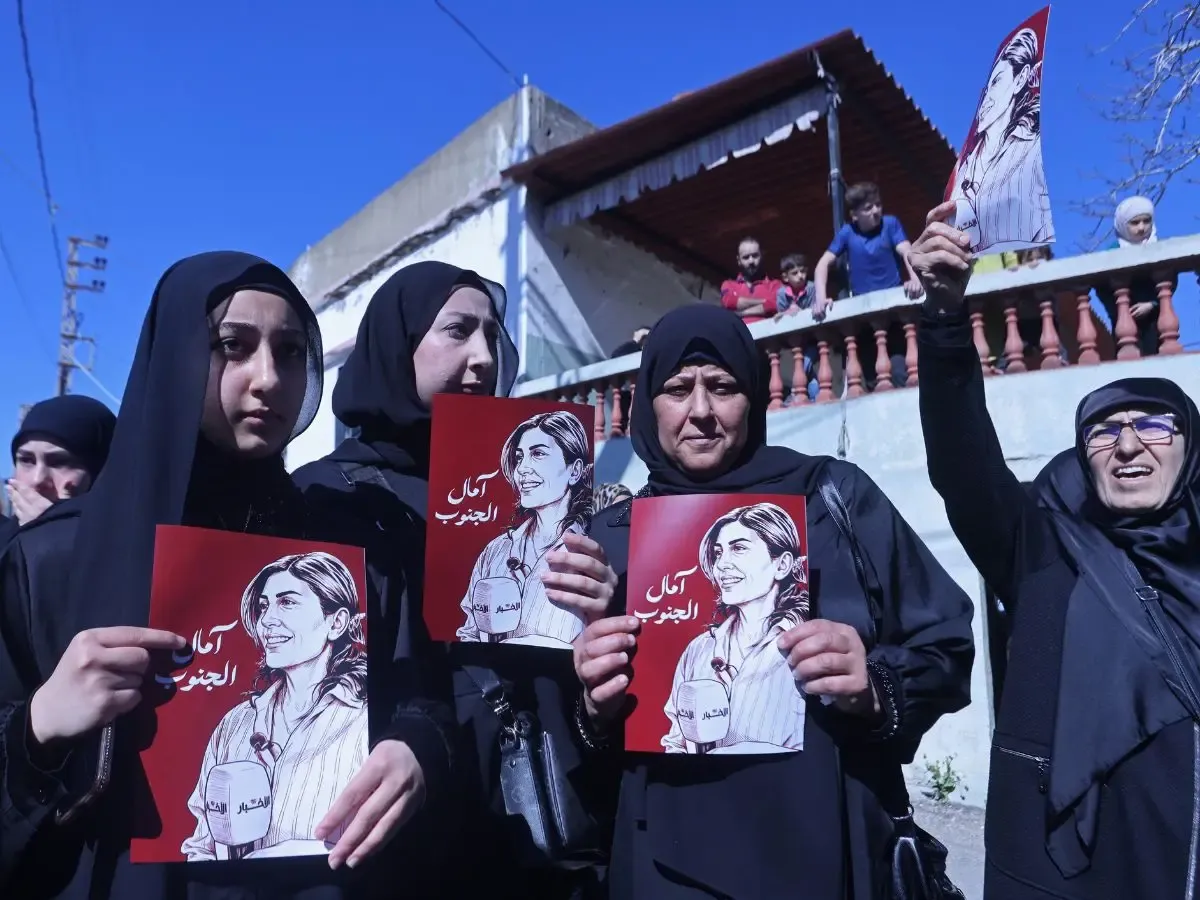
Lebanese journalist Amal Khalil was killed in an Israeli airstrike on April 22, 2026, while reporting in southern Lebanon amid ongoing Israel-Hezbollah hostilities. She and photographer Zeinab Faraj were targeted in successive strikes, with Faraj surviving serious injuries. Khalil's death sparked large funerals, protests in Beirut demanding journalist protection, and accusations from Lebanese leaders labeling the attack as a potential war crime amid fragile ceasefire talks.
Political Bias
66%32%2%
Sentiment
26%
AI Analysis
Political bias across 4 sources
● Left 66%● Center 32%● Right 2%
The articles present perspectives from Lebanese officials condemning Israel and accusing it of war crimes, alongside reports of Israeli military actions without direct Israeli statements. Coverage includes Lebanese public and media reactions, highlighting tensions and calls for journalist protection. The framing reflects the conflict's complexity, with emphasis on Lebanese grievances and the risks faced by journalists in the region.
Sentiment — Negative (26/100)
The overall tone is somber and serious, reflecting mourning and outrage over the journalist's death. Coverage includes emotional elements such as protests and personal accounts, balanced with factual reporting of the incident and its context. The sentiment is predominantly negative due to the loss and accusations but also conveys solidarity and calls for safety measures.
How 4 sources covered this story
Each source's own headline, political lean, and sentiment — so you can see framing differences at a glance.
| Source | Their headline | Bias | Sentiment |
|---|---|---|---|
| indiatoday | How Lebanese journalist was tracked for 2 years and killed in Israeli strikes | Left | Negative |
| wion | Thousands gather to mourn Lebanese journalist Amal Khalil killed in Israeli airstrike In pics | Left | Negative |
| english | Breaking World: Beirut journalists protest after female reporter killed in Israel strike | Left | Negative |
| wion | Lebanon accuses Israel of 'war crimes' following death of journalist in southern strike | Left | Negative |
Coverage timeline
wion broke this story on 23 Apr, 12:55 pm. Other outlets followed.
- 1wion23 Apr, 12:55 pmLebanon accuses Israel of 'war crimes' following death of journalist in southern strike
- 2english24 Apr, 05:59 amBreaking World: Beirut journalists protest after female reporter killed in Israel strike
- 3wion24 Apr, 08:57 amThousands gather to mourn Lebanese journalist Amal Khalil killed in Israeli airstrike In pics
- 4indiatoday24 Apr, 09:27 amHow Lebanese journalist was tracked for 2 years and killed in Israeli strikes
Lens Score breakdown
32/100
Public interest0/100
Coverage gap90%
Well-covered story — coverage matches public importance.
Accountability flags
TBN's analysis identified the following accountability dimensions in this story.
- public safety issue
This story involves a risk to public safety — infrastructure failure, regulatory lapse, hazardous conditions, or emergency mishandling.
- rights violation
This story involves alleged violations of constitutional or human rights — freedom of expression, due process, custodial rights, minority rights.
Who's involved
Institutions and figures named across source coverage.
Government
Lebanese Health MinistryIsraeli Military
Political
Lebanese Prime Minister Nawaf SalamHezbollah
Story context
- Category
- Politics
- Location
- Hebron, Palestine
- Sources analysed
- 4
- Last analysed
- 24 Apr 2026
- Key entities
- LebanonIsraelAmal MovementSouthern LebanonHebronStrike actionAirstrikeIsrael Defense ForcesFlag of LebanonSidonAl Akhbar (Lebanon)Journalist
Related Coverage
Select a news story to see related coverage from other media outlets.