4 hours agoPolitics
37LENS
5 SourcesKolkata, India
 thebalanced.news
West Bengal SIR Tribunals Dispose of Over 6,500 Appeals, Majority Reinstated
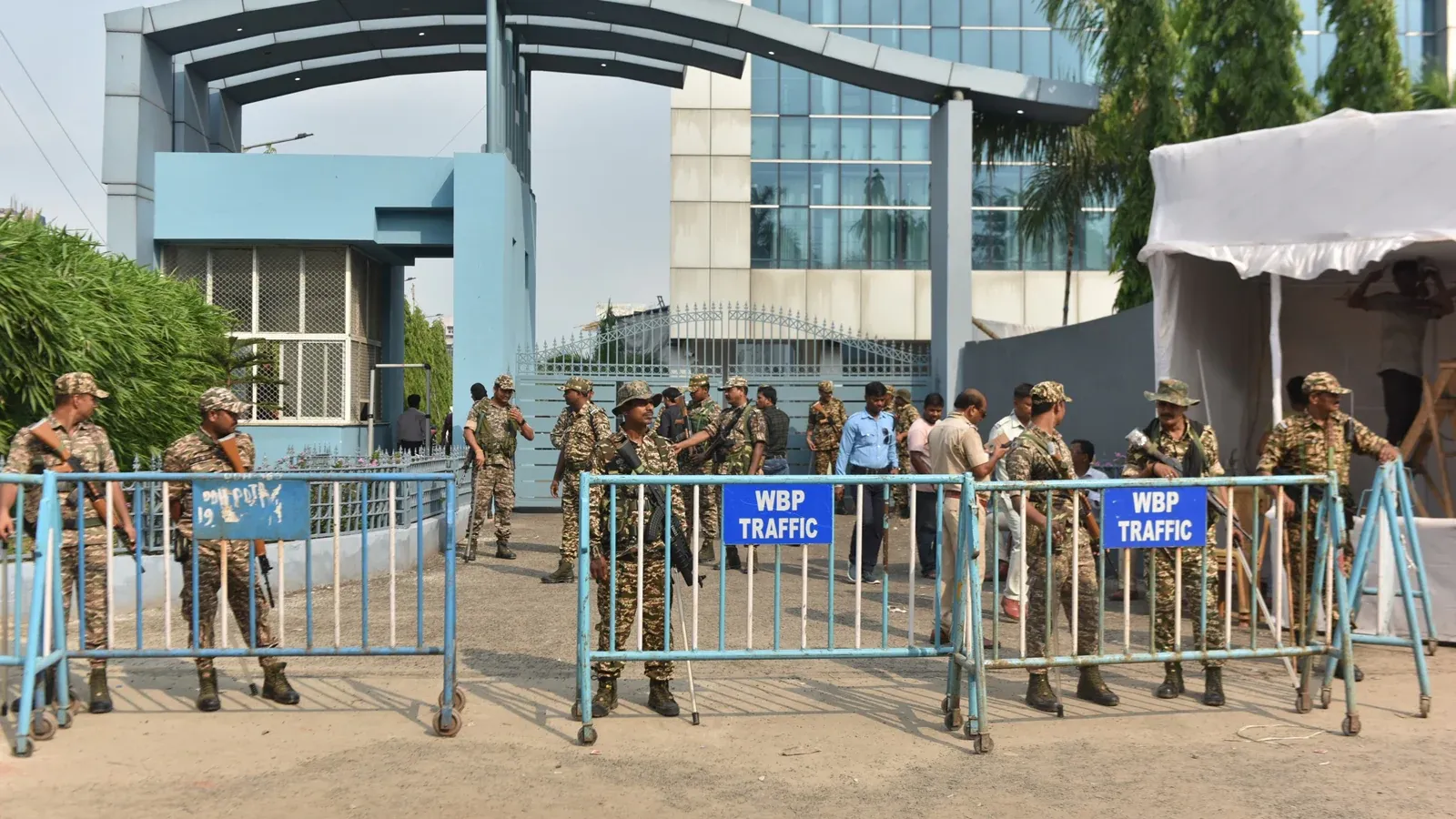
West Bengal's Special Intensive Revision (SIR) appellate tribunals have disposed of approximately 6,581 appeals out of nearly 25 lakh filed against electoral roll decisions, with about 61.5% allowed to reinstate names. Established on March 20 following Supreme Court directives, 12 of 19 tribunals have processed cases unevenly across districts. Kolkata North and South accounted for 1,777 disposals, while Murshidabad and Malda showed low disposal rates despite high appeal volumes. Over 51,000 appeals remain pending in Kolkata districts, with hearings conducted online and offline.
Political Bias
26%69%5%
Sentiment
46%
AI Analysis
Political bias across 5 sources
● Left 26%● Center 69%● Right 5%
The articles present a largely factual account focusing on the electoral roll revision process and tribunal activities without overt political framing. They include official Election Commission data and Supreme Court directives, reflecting government and judicial perspectives. There is minimal emphasis on political parties or electoral implications, maintaining a neutral stance by reporting procedural details and pending case volumes.
Sentiment — Neutral (46/100)
The overall tone across the articles is neutral and informational, emphasizing procedural updates and statistics. While the low disposal rate might imply inefficiency, the coverage avoids judgmental language, instead highlighting ongoing efforts and challenges. The inclusion of official statements and data contributes to a balanced, objective sentiment without positive or negative bias.
How 3 sources covered this story
Each source's own headline, political lean, and sentiment — so you can see framing differences at a glance.
| Source | Their headline | Bias | Sentiment |
|---|---|---|---|
| economictimes | Bengal SIR: Tribunals dispose of 6,581 appeals so far, allow 61.5 cases back in voter rolls | Center | Neutral |
| theprint | Bengal SIR: Tribunals dispose of 6,581 appeals so far, allow 61.5 pc cases back in voter rolls | Center | Neutral |
| indianexpress | Until mid-May, barely 6,000 appeals cleared by Bengal SIR tribunals, 4,000 back on rolls | Center | Neutral |
Coverage timeline
indianexpress broke this story on 22 May, 01:49 am. Other outlets followed.
- 1indianexpress22 May, 01:49 amUntil mid-May, barely 6,000 appeals cleared by Bengal SIR tribunals, 4,000 back on rolls
- 2theprint22 May, 10:22 amBengal SIR: Tribunals dispose of 6,581 appeals so far, allow 61.5 pc cases back in voter rolls
- 3economictimes22 May, 10:25 amBengal SIR: Tribunals dispose of 6,581 appeals so far, allow 61.5 cases back in voter rolls
Lens Score breakdown
37/100
Public interest0/100
Coverage gap90%
Story is receiving appropriate media attention relative to public interest.
Accountability flags
TBN's analysis identified the following accountability dimensions in this story.
- systemic failure
This story points to a failure in institutional processes — regulation, safety, oversight, or service delivery breaking down at scale.
- rights violation
This story involves alleged violations of constitutional or human rights — freedom of expression, due process, custodial rights, minority rights.
- electoral malpractice
This story involves alleged interference in elections — voter suppression, booth capture, misuse of machinery, or funding violations.
Who's involved
Institutions and figures named across source coverage.
Government
Calcutta High CourtElection Commission of IndiaSupreme CourtElection CommissionSupreme Court of India
Political
Trinamool Congress
Judiciary
Calcutta High CourtSupreme Court of IndiaSupreme Court
Story context
- Category
- Politics
- Location
- Kolkata, India
- Sources analysed
- 5
- Last analysed
- 22 May 2026
- Key entities
- KolkataSupreme Court of IndiaLakhMalda districtCalcutta High CourtElectoral rollMurshidabadChief justiceTribunalGovernment of West BengalSupreme courtWest Bengal
Related Coverage
Select a news story to see related coverage from other media outlets.