1 hour agoPolitics
30LENS
2 SourcesIndia
 thebalanced.news
India and Nepal Disagree Over Lipulekh Pass Route for Kailash Mansarovar Yatra
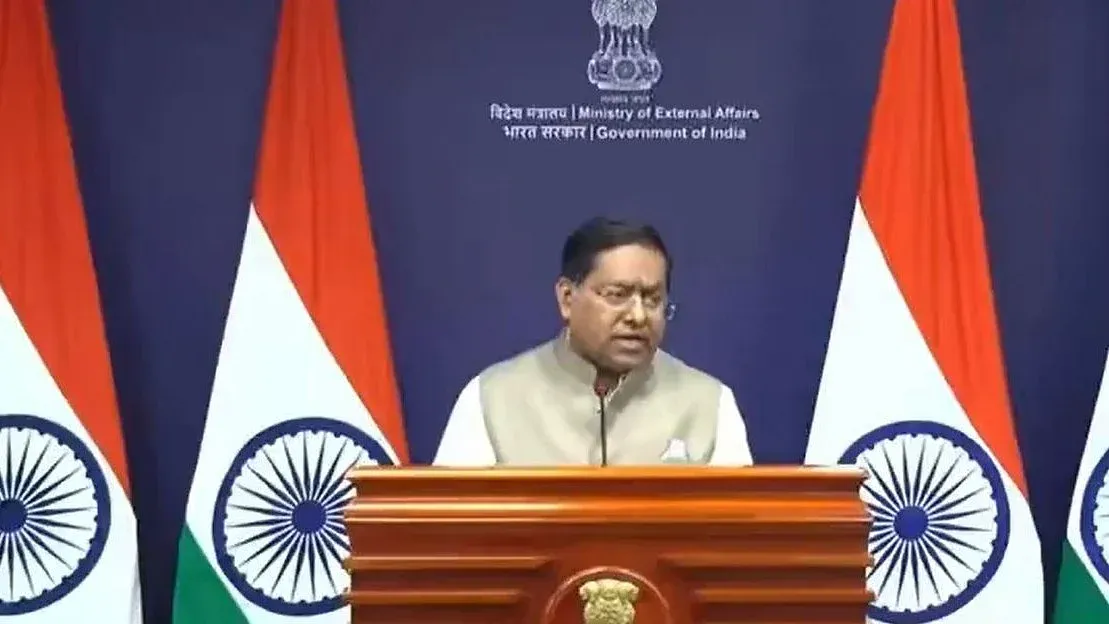
India reaffirmed that the Lipulekh Pass route for the Kailash Mansarovar Yatra has been in use since 1954, emphasizing it is not a new development. Nepal disputes this, claiming the area as its territory based on the 1816 Treaty of Sugauli and expressing concern over not being consulted. India rejects Nepal's claims as untenable but remains open to dialogue to resolve the territorial dispute surrounding the pilgrimage route.
Political Bias
15%75%10%
Sentiment
48%
AI Analysis
Political bias across 2 sources
● Left 15%● Center 75%● Right 10%
The articles present both India’s assertion of longstanding use of the Lipulekh Pass and Nepal’s territorial claims, reflecting official government positions from both countries. Indian sources emphasize sovereignty and historical usage, while Nepalese sources focus on treaty-based claims and the need for dialogue. Coverage balances diplomatic stances without favoring either side.
Sentiment — Neutral (48/100)
The tone across the articles is measured and diplomatic, focusing on official statements and ongoing dispute without inflammatory language. While India firmly rejects Nepal’s claims, both sides express willingness for dialogue, resulting in a generally neutral and factual sentiment with an emphasis on maintaining diplomatic engagement.
How 2 sources covered this story
Each source's own headline, political lean, and sentiment — so you can see framing differences at a glance.
| Source | Their headline | Bias | Sentiment |
|---|---|---|---|
| hindustantimes | 'Ready to talk with Nepal': India open to resolve dispute over Lipulekh Pass, maintains stance on territorial claim | Center | Neutral |
| freepressjournal | India Defends Lipulekh Route For Kailash Mansarovar Yatra, Says Path Has Been In Use Since 1954 | Center | Neutral |
Coverage timeline
freepressjournal broke this story on 7 May, 11:57 am. Other outlets followed.
- 1freepressjournal7 May, 11:57 amIndia Defends Lipulekh Route For Kailash Mansarovar Yatra, Says Path Has Been In Use Since 1954
- 2hindustantimes7 May, 12:21 pm'Ready to talk with Nepal': India open to resolve dispute over Lipulekh Pass, maintains stance on territorial claim
Lens Score breakdown
30/100
Public interest0/100
Coverage gap100%
Well-covered story — coverage matches public importance.
Who's involved
Institutions and figures named across source coverage.
Government
Ministry of External Affairs
Story context
- Category
- Politics
- Location
- India
- Sources analysed
- 2
- Last analysed
- 7 May 2026
- Key entities
- Lipulekh PassLake ManasarovarYatraMinistry of External Affairs (India)PilgrimageIndiaNepalChinaMount KailashHinduismTibetTreaty of Sugauli
Related Coverage
Select a news story to see related coverage from other media outlets.