3 hours agoPolitics
33LENS
2 SourcesMalacca, Malaysia
 thebalanced.news
Strait of Malacca Emerges as Key Global Oil Transit Chokepoint Amid Hormuz Tensions
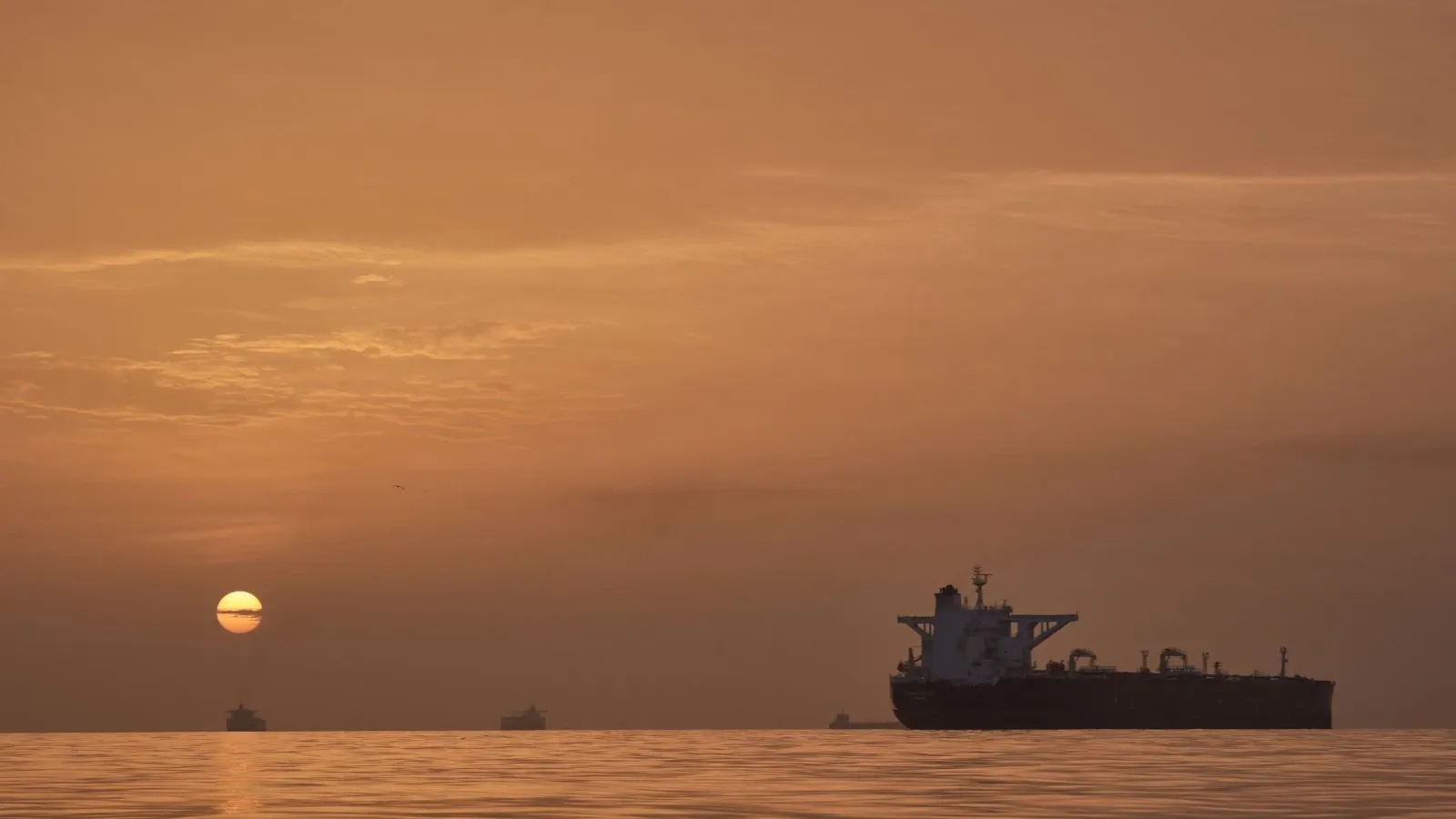
The Strait of Malacca, a 900-km waterway bordered by Indonesia, Thailand, Malaysia, and Singapore, has become a critical global trade chokepoint, surpassing the Strait of Hormuz in oil transit volume. In early 2025, it handled about 23.2 million barrels of oil daily, accounting for 29% of maritime oil flows. This narrow passage connects the Indian and Pacific Oceans, serving as the shortest route between East Asia, West Asia, and Europe. Recent tensions around Hormuz have heightened concerns over Malacca's security and its impact on global trade.
Political Bias
0%100%0%
Sentiment
52%
AI Analysis
Political bias across 2 sources
● Left 0%● Center 100%● Right 0%
The articles primarily present factual information from authoritative sources like the US Energy Information Administration, focusing on strategic and economic aspects without political commentary. They reflect a security and trade perspective common in international policy discussions, highlighting concerns from Asian policymakers without partisan framing or ideological bias.
Sentiment — Neutral (52/100)
The tone across the articles is neutral and informative, emphasizing the strategic importance of the Strait of Malacca and the implications of regional tensions. There is no evident positive or negative sentiment; rather, the coverage aims to raise awareness about potential risks to global trade routes in a balanced manner.
How 2 sources covered this story
Each source's own headline, political lean, and sentiment — so you can see framing differences at a glance.
| Source | Their headline | Bias | Sentiment |
|---|---|---|---|
| wion | '22 of world trade': What is Malacca Strait why this largest 'oil transit chokepoint' is in focus amid Hormuz tensions | Center | Neutral |
| indianexpress | Beyond Hormuz: Why Strait of Malacca is the real global trade chokepoint | Center | Neutral |
Coverage timeline
indianexpress broke this story on 23 Apr, 04:23 pm. Other outlets followed.
- 1indianexpress23 Apr, 04:23 pmBeyond Hormuz: Why Strait of Malacca is the real global trade chokepoint
- 2wion23 Apr, 04:51 pm'22 of world trade': What is Malacca Strait why this largest 'oil transit chokepoint' is in focus amid Hormuz tensions
Lens Score breakdown
33/100
Public interest0/100
Coverage gap100%
Well-covered story — coverage matches public importance.
Who's involved
Institutions and figures named across source coverage.
Government
Malaysian Foreign MinistrySingapore Foreign MinistryIndonesian GovernmentThai Government
Enforcement
ReCAAP Information Sharing Centre
Story context
- Category
- Politics
- Location
- Malacca, Malaysia
- Sources analysed
- 2
- Last analysed
- 23 Apr 2026
- Key entities
- OrmusEnergy Information AdministrationChoke pointStrait of MalaccaInternational tradePetroleumPacific OceanIndian OceanEast AsiaStrait of HormuzStraitBarrel (unit)
Related Coverage
Select a news story to see related coverage from other media outlets.