1 hour agoPolitics
36LENS
2 SourcesKerala, India
 thebalanced.news
Supreme Court Flags Discrimination in Excluding Parsi Women for Interfaith Marriages
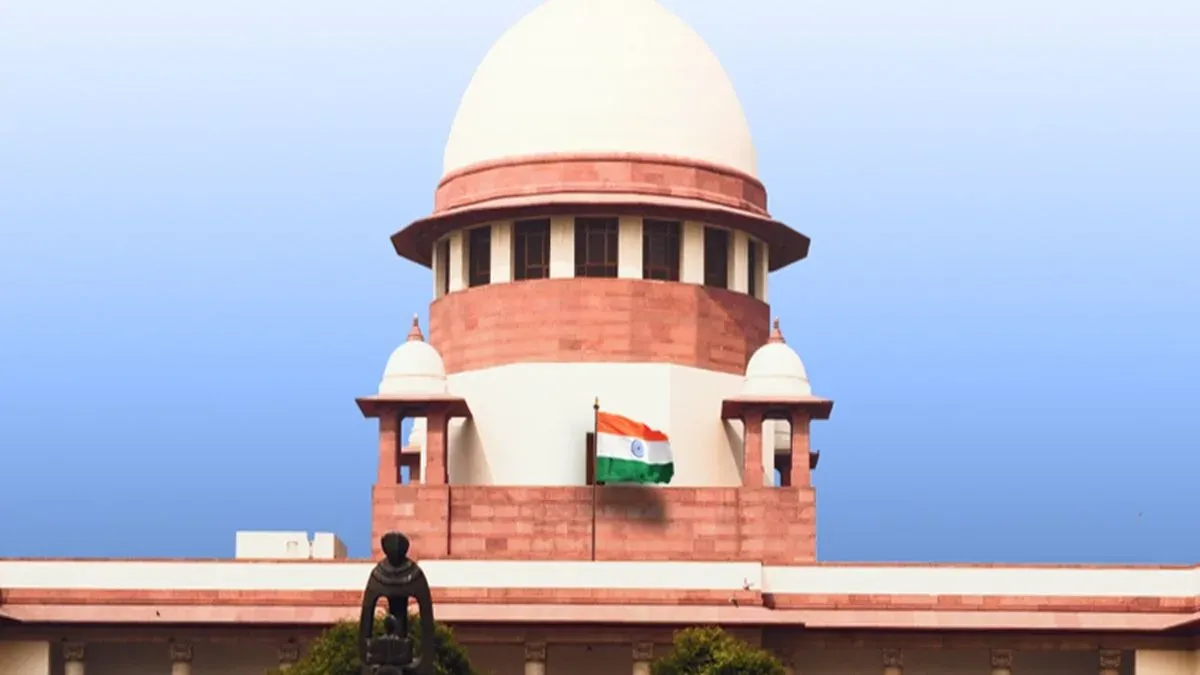
The Supreme Court, in a nine-judge Constitution Bench led by Chief Justice Surya Kant, observed that excommunicating Parsi women for interfaith marriages appears discriminatory, especially as similar consequences are not applied to men. The bench emphasized that the right of conscience under Article 25(1) is inherent and cannot be revoked due to marriage. Senior advocate Darius Khambata argued that marriage does not equate to abandoning faith, highlighting concerns over gender-based discrimination within religious practices.
Political Bias
40%58%2%
Sentiment
55%
AI Analysis
Political bias across 2 sources
● Left 40%● Center 58%● Right 2%
The articles present a judicial perspective focusing on constitutional rights and religious freedom, primarily reflecting the Supreme Court's stance. They include arguments from legal representatives advocating for gender equality within religious communities. The coverage is centered on legal and constitutional interpretations without partisan framing, representing institutional and individual viewpoints on religious discrimination.
Sentiment — Neutral (55/100)
The tone across the articles is measured and analytical, emphasizing legal principles and constitutional rights. The sentiment is largely neutral to cautiously critical of discriminatory practices, focusing on the court's observations and arguments without emotive language. The coverage highlights concerns about gender-based exclusion while maintaining a professional and objective narrative.
How 2 sources covered this story
Each source's own headline, political lean, and sentiment — so you can see framing differences at a glance.
| Source | Their headline | Bias | Sentiment |
|---|---|---|---|
| thestatesman | Parsi women's exclusion from faith for interfaith marriage appears discriminatory: SC in Sabarimala reference | Center | Neutral |
| news18 | Excommunicating Parsi women for entering interfaith marriages discriminatory: SC | Center | Neutral |
Coverage timeline
news18 broke this story on 5 May, 02:05 pm. Other outlets followed.
- 1news185 May, 02:05 pmExcommunicating Parsi women for entering interfaith marriages discriminatory: SC
- 2thestatesman5 May, 04:16 pmParsi women's exclusion from faith for interfaith marriage appears discriminatory: SC in Sabarimala reference
Lens Score breakdown
36/100
Public interest0/100
Coverage gap100%
Story is receiving appropriate media attention relative to public interest.
Accountability flags
TBN's analysis identified the following accountability dimensions in this story.
- rights violation
This story involves alleged violations of constitutional or human rights — freedom of expression, due process, custodial rights, minority rights.
Who's involved
Institutions and figures named across source coverage.
Judiciary
M M SundreshJoymalya BagchiConstitution BenchJustices B V NagarathnaPrasanna B VaraleAugustine George MasihAravind KumarAhsanuddin AmanullahSupreme CourtChief Justice of India Surya KantR Mahadevan
Story context
- Category
- Politics
- Location
- Kerala, India
- Sources analysed
- 2
- Last analysed
- 5 May 2026
- Key entities
- ParsisInterfaith marriageChief Justice of IndiaAugustine George MasihAhsanuddin AmanullahSenior counselZoroastrianismConstitution of IndiaSupreme Court of IndiaDalitFreedom of religionDiscrimination
Related Coverage
Select a news story to see related coverage from other media outlets.