1 hour agoPolitics
29LENS
18 SourcesTehran, Iran
 thebalanced.news
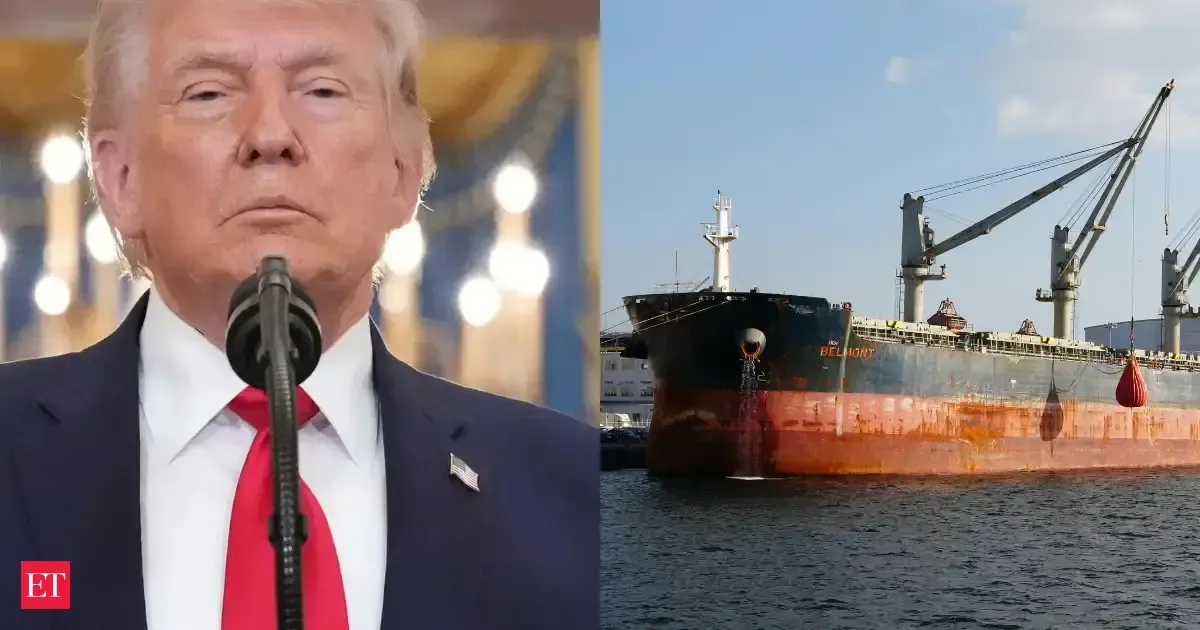
Trump Maintains Strait of Hormuz Blockade Amid Ceasefire Extension; Iran Demands Blockade Lift for Talks
US President Donald Trump extended a ceasefire with Iran while maintaining a naval blockade of the Strait of Hormuz, a critical oil transit route. Trump claimed Iran is losing $500 million daily due to the blockade and privately wants the strait reopened despite public threats to close it. He warned reopening without concessions would undermine negotiations and threatened military action if talks fail. Iran's UN ambassador stated that lifting the blockade is a precondition for resuming negotiations, accusing the US of violating the ceasefire and demanding the release of an Iranian vessel seized by US forces.
Political Bias
8%85%7%
Sentiment
35%
AI Analysis
Political bias across 18 sources
● Left 8%● Center 85%● Right 7%
The article group presents perspectives primarily from US President Trump and Iranian officials. Trump’s statements emphasize US strategic pressure and economic impact on Iran, framing Iran’s public stance as performative. Iranian sources highlight the blockade as a ceasefire violation and a barrier to diplomacy, demanding its removal before negotiations. Coverage reflects the adversarial positions of both governments without endorsing either side’s claims.
Sentiment — Neutral (35/100)
The overall tone is tense and cautious, reflecting ongoing geopolitical friction. Trump’s remarks convey a hardline stance with warnings of escalation, while Iranian responses express resistance and readiness for conflict or diplomacy. The sentiment is mixed, combining elements of diplomatic engagement through ceasefire extension with persistent threats and mutual distrust.
How 15 sources covered this story
Each source's own headline, political lean, and sentiment — so you can see framing differences at a glance.
Coverage timeline
economictimes broke this story on 22 Apr, 01:56 am. Other outlets followed.
- 1economictimes22 Apr, 01:56 amStrait of Hormuz open or closed? Trump has a warning for Iran if deal with US fails
- 2wion22 Apr, 03:03 am'There can never be a deal if...': Trump admits using Hormuz blockage as bargaining chip in Iran talks after ceasefire extension
- 3republicworld22 Apr, 03:08 amTrump Vows to Maintain Blockade As Iran Seeks Hormuz Reopening 'To Make 500 Million' Daily
- 4timesnow22 Apr, 03:10 amTrump Justifies Hormuz Blockade, Says Iran Losing ' 500 Million A Day'
- 5mint22 Apr, 03:37 am500 Million Dollars a day! Donald Trump claims Iran 'wants' Strait of Hormuz open for this reason Today News
- 6economictimes22 Apr, 03:51 amTehran received signs indicating US ready to end naval blockade: Iraian envoy to UN Iravani
- 7hindustantimes22 Apr, 03:53 am'Kharg Island storage will be full soon': US masterplan to make Iran bend with Strait of Hormuz blockade
- 8economictimes22 Apr, 04:26 am'SOS': Trump claims Iran 'starving for cash', wants Strait of Hormuz open immediately as Tehran is losing 500 million a day
- 9freepressjournal22 Apr, 04:40 amUS President Donald Trump Claims Iran 'Financially Collapsing', Losing 500 Million Daily Amid Strait Of Hormuz Blockade
- 10businessstandard22 Apr, 04:56 amIran 'collapsing financially', losing 500 mn daily amid blockade: Trump
Lens Score breakdown
29/100
Public interest0/100
Coverage gap90%
Well-covered story — coverage matches public importance.
Who's involved
Institutions and figures named across source coverage.
Government
US PresidencyUS Naval Forces
Enforcement
US Navy
Story context
- Category
- Politics
- Location
- Tehran, Iran
- Sources analysed
- 18
- Last analysed
- 22 Apr 2026
- Key entities
- IranDonald TrumpStrait of HormuzBlockadeCeasefireTehranPetroleumTruth SocialIsraelUnited States dollarEconomy of IranWaterway
Related Coverage
Select a news story to see related coverage from other media outlets.