1 hour agoPolitics
40LENS
2 SourcesGujarat, India
 thebalanced.news
Gujarat Court Recognizes Digital Data as Part of Deceased's Estate
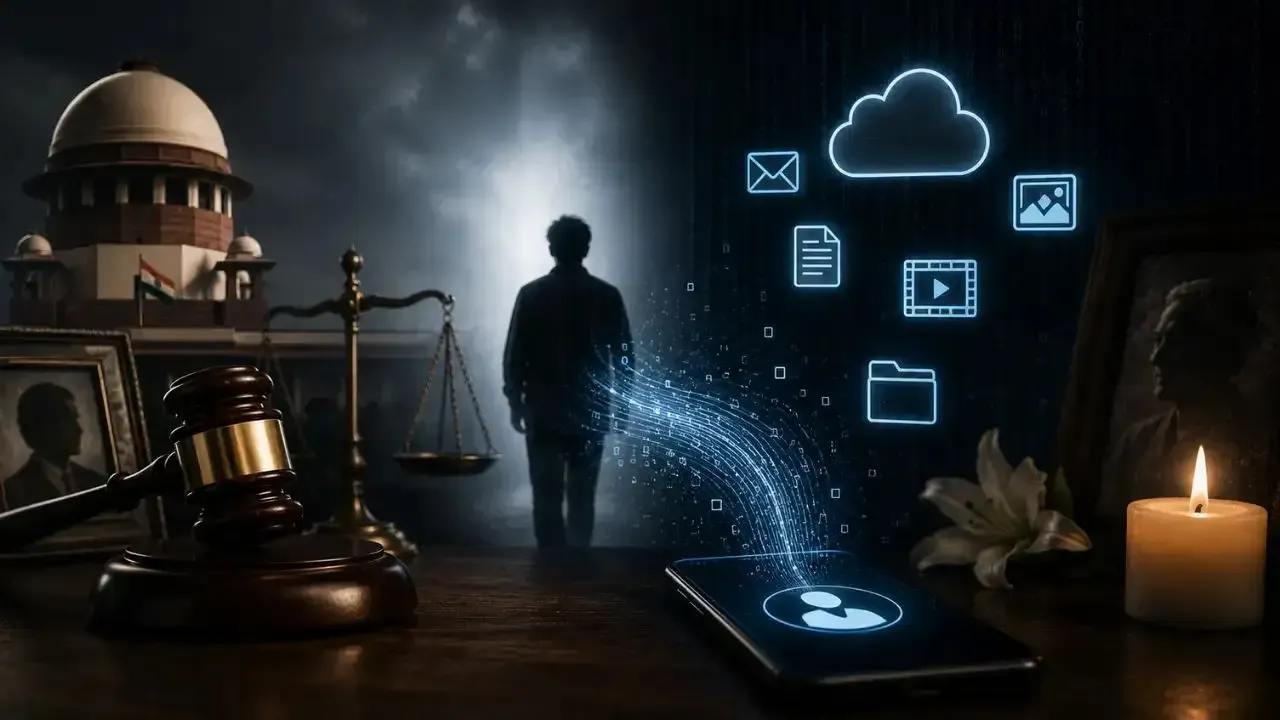
A civil court in Gandhinagar, Gujarat, ruled that digital data stored in a deceased person's iCloud account is part of their legal estate. The case arose when the family sought access to the deceased's locked iPhone and cloud data containing personal and sentimental content. The court appointed the daughter as estate administrator and directed Apple to assist in data recovery, recognizing digital assets as property under existing succession laws despite the absence of specific digital inheritance legislation.
Political Bias
5%93%2%
Sentiment
58%
AI Analysis
Political bias across 2 sources
● Left 5%● Center 93%● Right 2%
The articles present a legal and technological perspective without evident political framing. They focus on judicial interpretation of succession laws regarding digital assets, reflecting a neutral stance on digital inheritance issues. The coverage includes official court decisions and corporate policies, representing institutional viewpoints without partisan bias.
Sentiment — Neutral (58/100)
The tone across the articles is neutral and informative, emphasizing legal developments and practical implications for families dealing with digital data after death. There is no emotional or sensational language; instead, the coverage highlights the evolving legal recognition of digital property in a factual manner.
How 2 sources covered this story
Each source's own headline, political lean, and sentiment — so you can see framing differences at a glance.
| Source | Their headline | Bias | Sentiment |
|---|---|---|---|
| timesnow | What Happens To Your Digital Data After Death? Court Explains | Center | Neutral |
| indianexpress | Who owns a person's digital data after their death? | Center | Neutral |
Coverage timeline
indianexpress broke this story on 15 May, 08:03 am. Other outlets followed.
- 1indianexpress15 May, 08:03 amWho owns a person's digital data after their death?
- 2timesnow16 May, 04:32 amWhat Happens To Your Digital Data After Death? Court Explains
Lens Score breakdown
40/100
Public interest0/100
Coverage gap100%
Story is receiving appropriate media attention relative to public interest.
Who's involved
Institutions and figures named across source coverage.
Government
IT Act, 2000Prevention of Money Laundering ActIncome Tax ActGandhinagar Civil CourtIndian Succession ActDigital Personal Data Protection Act, 2023General Clauses Act
Corporate
AppleFacebook
Judiciary
Gandhinagar Civil CourtSupreme CourtMadras High CourtGerman Federal Court of Justice
Story context
- Category
- Politics
- Location
- Gujarat, India
- Sources analysed
- 2
- Last analysed
- 16 May 2026
- Key entities
- GujaratDigital dataICloudIPhoneGandhinagarArtificial intelligenceDigital assetPrivacyApple Inc.Personal propertyInheritanceStatute
Related Coverage
Select a news story to see related coverage from other media outlets.