2 hours agoPolitics
31LENS
2 SourcesIran
 thebalanced.news
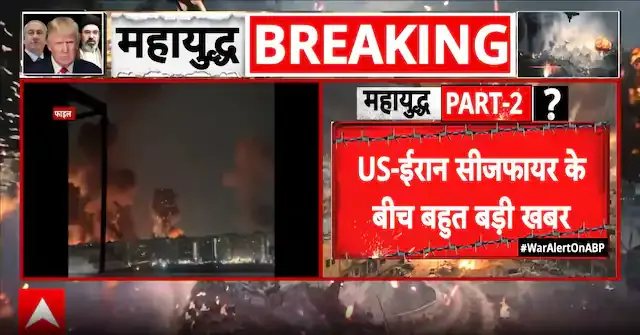
US-Iran Military Clashes Near Strait of Hormuz Amid Diplomatic Talks
Tensions between the United States and Iran escalated near the Strait of Hormuz amid ongoing diplomatic talks in Doha. Reports indicate a joint US-Israel operation targeted Iranian Revolutionary Guard speedboats near Bandar Abbas, resulting in casualties. Iran responded with missile launches toward US aircraft, prompting retaliatory strikes on Iranian missile sites. Disputes over control and fees in the strategic waterway add to stalled nuclear negotiations, raising concerns about potential wider conflict.
Political Bias
5%90%5%
Sentiment
30%
AI Analysis
Political bias across 2 sources
● Left 5%● Center 90%● Right 5%
The articles present perspectives from both US and Iranian sources, highlighting military actions and diplomatic efforts without favoring either side. US media emphasize self-defense and the need to keep the Strait of Hormuz open, while Iranian sources assert their right to regulate the area. The coverage reflects the complex geopolitical tensions and stalled negotiations without overt bias.
Sentiment — Negative (30/100)
The overall tone is serious and cautious, reflecting heightened tensions and the risk of escalation. Coverage focuses on military confrontations and diplomatic challenges, conveying concern without sensationalism. Both sides' actions and statements are reported factually, resulting in a balanced but tense sentiment.
How 2 sources covered this story
Each source's own headline, political lean, and sentiment — so you can see framing differences at a glance.
| Source | Their headline | Bias | Sentiment |
|---|---|---|---|
| english | War Alert: US-Iran Military Clash Reported Near Bandar Abbas | Center | Negative |
| english | Breaking News: Iran-US Tensions Explode Near Hormuz Amid Doha Talks | Center | Negative |
Coverage timeline
english broke this story on 26 May, 04:07 am. Other outlets followed.
- 1english26 May, 04:07 amBreaking News: Iran-US Tensions Explode Near Hormuz Amid Doha Talks
- 2english26 May, 05:02 amWar Alert: US-Iran Military Clash Reported Near Bandar Abbas
Lens Score breakdown
31/100
Public interest0/100
Coverage gap100%
Well-covered story — coverage matches public importance.
Who's involved
Institutions and figures named across source coverage.
Enforcement
Israeli MilitaryUnited States MilitaryIranian Revolutionary Guard Corps
Story context
- Category
- Politics
- Location
- Iran
- Sources analysed
- 2
- Last analysed
- 26 May 2026
- Key entities
- IranIslamic Revolutionary Guard CorpsStrait of HormuzBandar AbbasDohaOrmusGulf of OmanJaskQatarLarak IslandIsraelNaval mine
Related Coverage
Select a news story to see related coverage from other media outlets.