1 hour agoPolitics
27LENS
2 SourcesMadhya Pradesh, India
 thebalanced.news
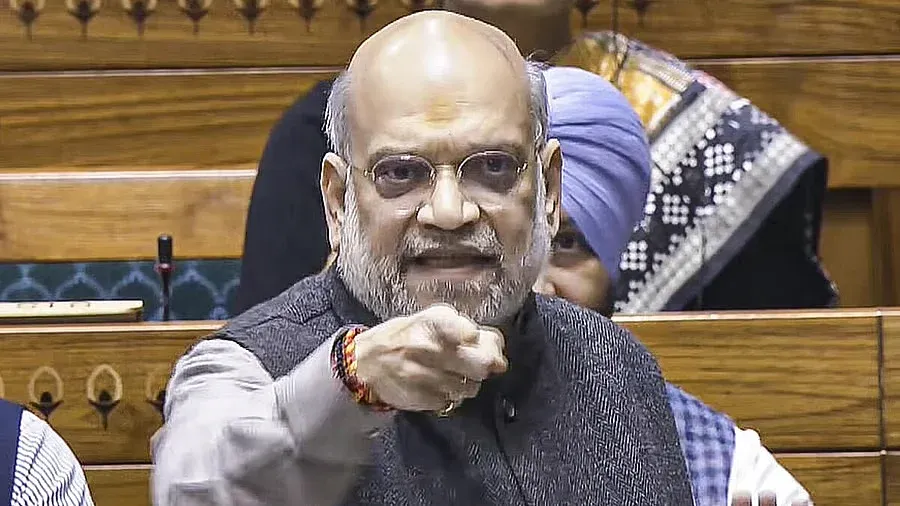
Debate Continues Over Lok Sabha Expansion and Delimitation Bill Defeat
The recently defeated Delimitation Bill aimed to expand the Lok Sabha to 850 seats, redistributing representation based on the 2011 Census. While proponents argue this would improve fair representation given India's large population, opponents raised concerns about penalizing states with successful population control and the financial burden of additional legislators. The bill's failure has renewed debate on how to balance equitable representation with economic and political considerations, with suggestions to explore alternative models like Europe's 'Cambridge compromise.'
Political Bias
38%57%5%
Sentiment
40%
AI Analysis
Political bias across 2 sources
● Left 38%● Center 57%● Right 5%
The articles reflect differing political perspectives: one emphasizes the financial costs and criticizes the ruling party's approach, highlighting opposition concerns, while the other presents a more analytical view on representation fairness and constitutional challenges. Both sources acknowledge the political dispute and regional concerns, offering a balanced view of the complexities surrounding the bill's defeat.
Sentiment — Neutral (40/100)
The overall tone is mixed, combining critical views on the financial implications and political maneuvering with analytical discussion on representation fairness. The coverage neither celebrates nor condemns the bill outright but highlights the challenges and differing stakeholder concerns, resulting in a nuanced sentiment.
How 2 sources covered this story
Each source's own headline, political lean, and sentiment — so you can see framing differences at a glance.
| Source | Their headline | Bias | Sentiment |
|---|---|---|---|
| scrollin | How should India redistribute seats in an expanded Lok Sabha? | Center | Neutral |
| freepressjournal | Delimitation Bill Would Have Imposed Crushing Financial Burden Of Over 11,000 Crore Annually On India's Economy | Left | Negative |
Coverage timeline
freepressjournal broke this story on 26 Apr, 04:34 pm. Other outlets followed.
- 1freepressjournal26 Apr, 04:34 pmDelimitation Bill Would Have Imposed Crushing Financial Burden Of Over 11,000 Crore Annually On India's Economy
- 2scrollin27 Apr, 03:44 amHow should India redistribute seats in an expanded Lok Sabha?
Lens Score breakdown
27/100
Public interest0/100
Coverage gap100%
Well-covered story — coverage matches public importance.
Who's involved
Institutions and figures named across source coverage.
Government
ParliamentDelimitation CommissionMinistry for Women and Child DevelopmentState Assemblies
Political
Lok SabhaNDARajya Sabha
Story context
- Category
- Politics
- Location
- Madhya Pradesh, India
- Sources analysed
- 2
- Last analysed
- 27 Apr 2026
- Key entities
- Member of parliamentIndiaLok SabhaElectoral districtElectoral boundary delimitationCroreIndian rupeeTamil Nadu Legislative AssemblyTamashaWorld warElectoral collegeTariff
Related Coverage
Select a news story to see related coverage from other media outlets.